Overview
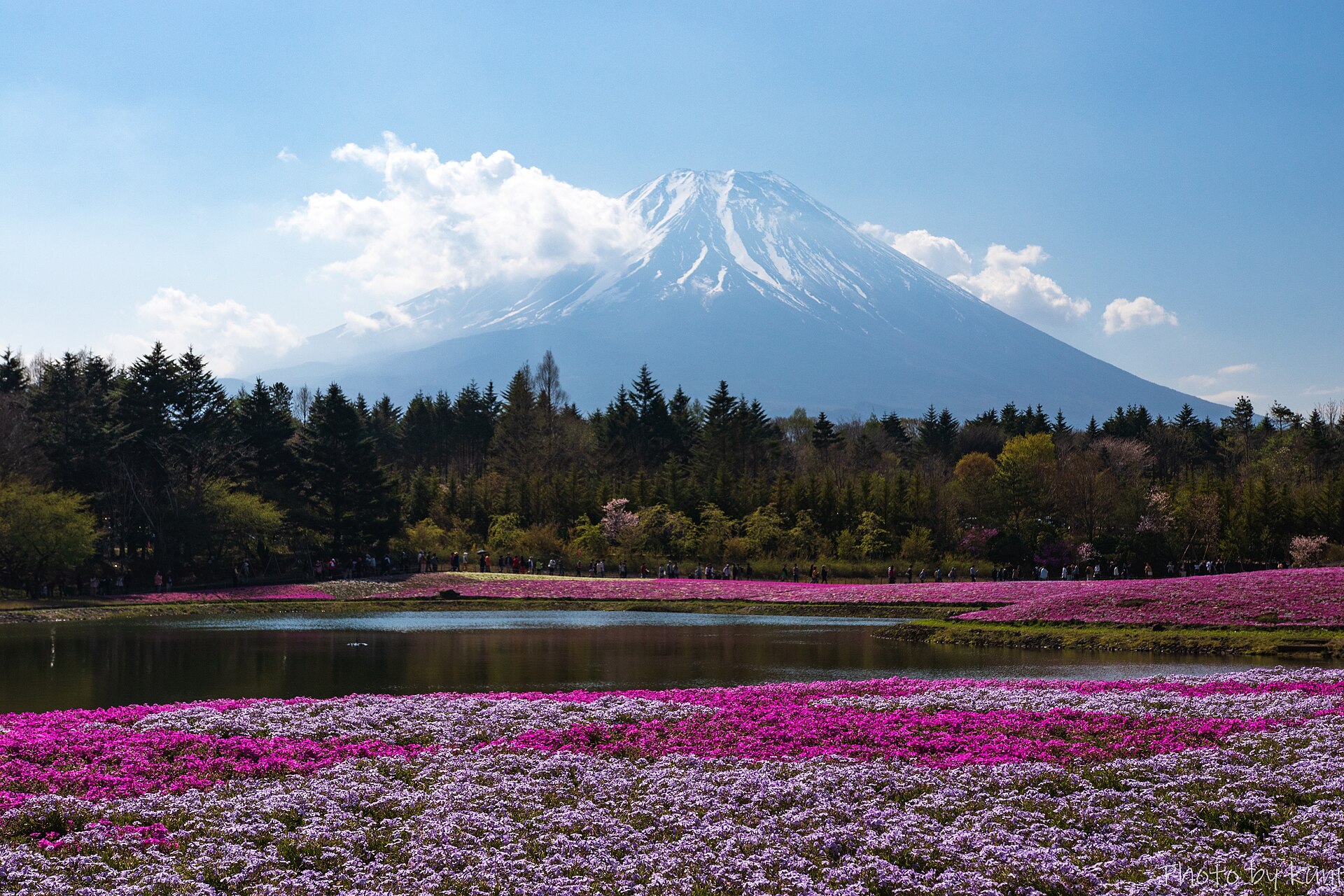
The Fuji 芝桜 (shibazakura, moss phlox; low pink spring flowers) Festival takes place at Fuji Motosuko Resort near Lake Motosu in Fujikawaguchiko, Yamanashi Prefecture, where the landscape opens toward Mount Fuji. I think that setting is part of the festival’s quiet appeal: the flowers are not simply arranged for a show, but planted into a larger seasonal scene shaped by water, mountain air, and the disciplined work of 職人 (shokunin, craftsman; artisan), the craftsmen and growers who maintain the grounds.
Shibazakura means moss phlox, and the festival is built around several hundred thousand plants in pink, white, purple, and lilac tones. The effect is dense rather than delicate, a low floral surface that spreads across the site in broad waves. It is a spring attraction that draws both international visitors and local families, and it has long been one of the area’s signature seasonal gatherings. For readers following Fuji Shibazakura Festival news, the most useful fact to keep in mind is simple: the event is not a brief early-May flash, but a festival that typically runs for about a month and a half.
When the flowers are at their best
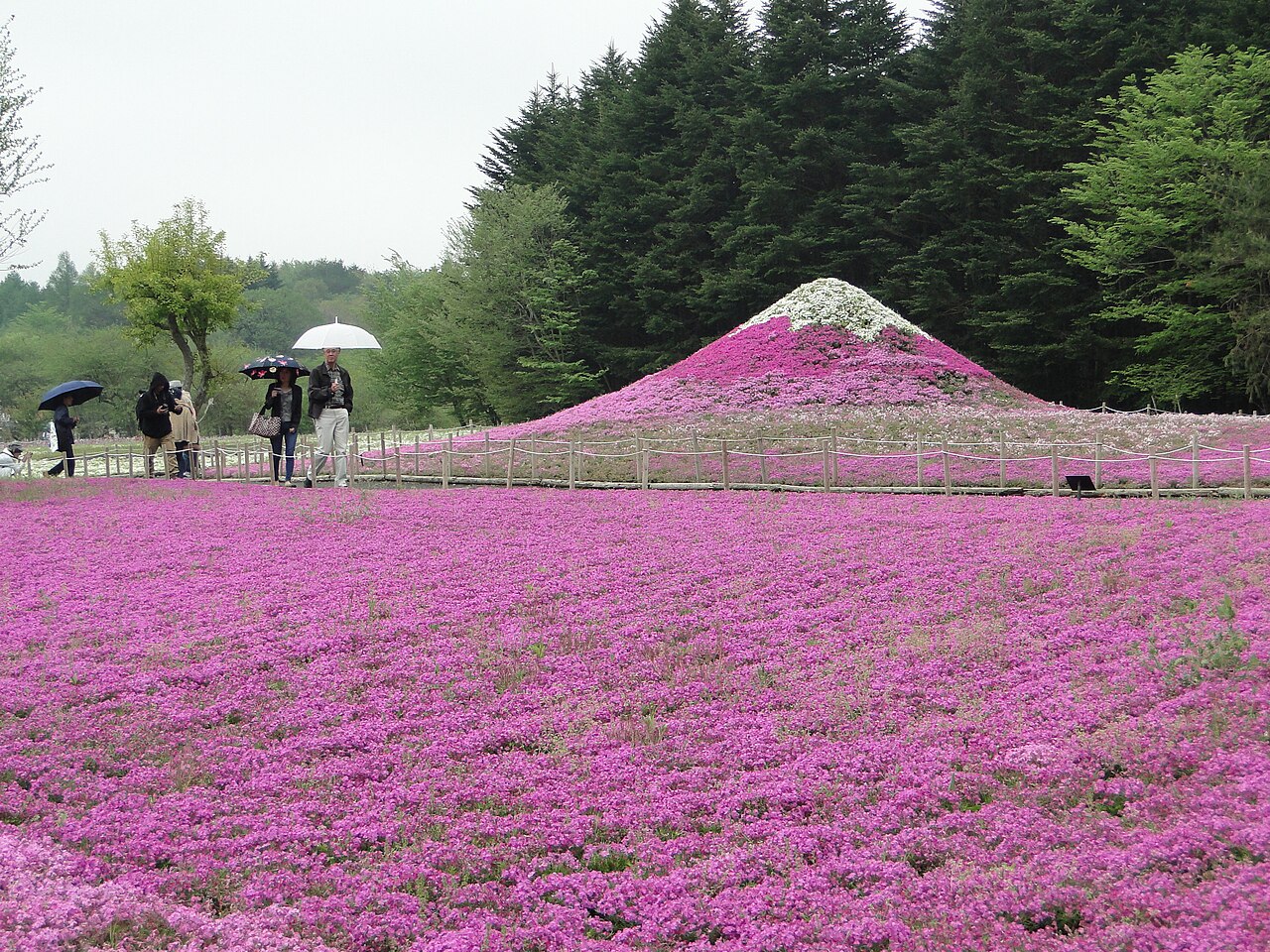
The festival generally runs from mid-April to late May, with the strongest shibazakura bloom often landing from late April to mid-May. In practical terms, that means April 26 is still early in the season, not the middle of it, and the display can remain worthwhile across a wide stretch of spring. In recent scheduling examples, the festival has opened around April 11 and continued through May 24, which reflects that longer season rather than a narrow holiday window. The timing matters, because the visual character shifts as the bloom develops: early on there is fresh contrast in the beds, then a fuller, more saturated sweep as the peak approaches.
Anyone planning a visit should also think about light as much as flowers. Arriving early, especially around sunrise, usually means softer illumination and fewer people in the frame. The festival’s reputation comes in part from photographs, and the morning hours give the mountain and the flower fields a calmer balance. I find that useful to remember, because an attraction this popular can feel crowded quickly once the day begins.
What makes the festival stand out
The scale of the planting is what gives the event its character. The grounds hold several hundred thousand shibazakura plants, and the broad palette creates a low, thick field rather than a few isolated flower patches. Unlike a vertical garden or a formal rose display, shibazakura sits close to the earth, which makes the color seem to flow across the site like cultivated ground cover. This is one reason the festival photographs so well: the eye can read the flowers as a single seasonal surface with Mount Fuji anchored behind it.
There is also a subtle sense of spring flower farms and festivals by Mount Fuji as part of a wider regional rhythm. The area around the mountain has many seasonal viewing spots, but the Fuji Shibazakura Festival is distinctive for how compactly it concentrates color, crowds, and the mountain backdrop into one accessible site.
How to plan a first visit
For a first visit, the most practical issue is transport. Travel from Tokyo to the festival area usually takes about two to three hours by train and bus. That makes it an easy day trip in theory, though the timing becomes more comfortable if you start early. Some 2026 ticket and guided tour options also include shuttle services from Kawaguchiko, which can simplify the final leg of the journey for visitors who prefer not to piece together local connections on their own.
Admission fees are usually around 500 to 1,300 yen depending on the season. Recent pricing examples place adult admission at roughly 1,000 to 1,300 yen and children aged three and up at about 500 to 700 yen. An older lower figure of around 550 yen still appears in some places, but it is no longer current. For a recurring event like this, I recommend checking current pricing before departure, especially if the visit is being organized around a narrow bloom window or a guided plan.
- Arrive early if possible, especially near sunrise.
- Expect peak crowds during the strongest bloom period in late April to mid-May.
- Allow extra time for travel from Tokyo, since the route typically takes two to three hours.
- Check current ticket details before going, as seasonal pricing can change.
Why the festival matters beyond the flowers
The Fuji Shibazakura Festival matters because it shows how seasonal viewing in Japan often combines horticulture, landscape, and timing into a single shared practice. The word 花見 (hanami, cherry-blossom viewing; flower-viewing outing) usually refers to blossom viewing, but this event extends that sensibility into a different plant form and a different season. It is not cherry blossom viewing, yet it belongs to the same larger habit of gathering around a temporary natural peak.
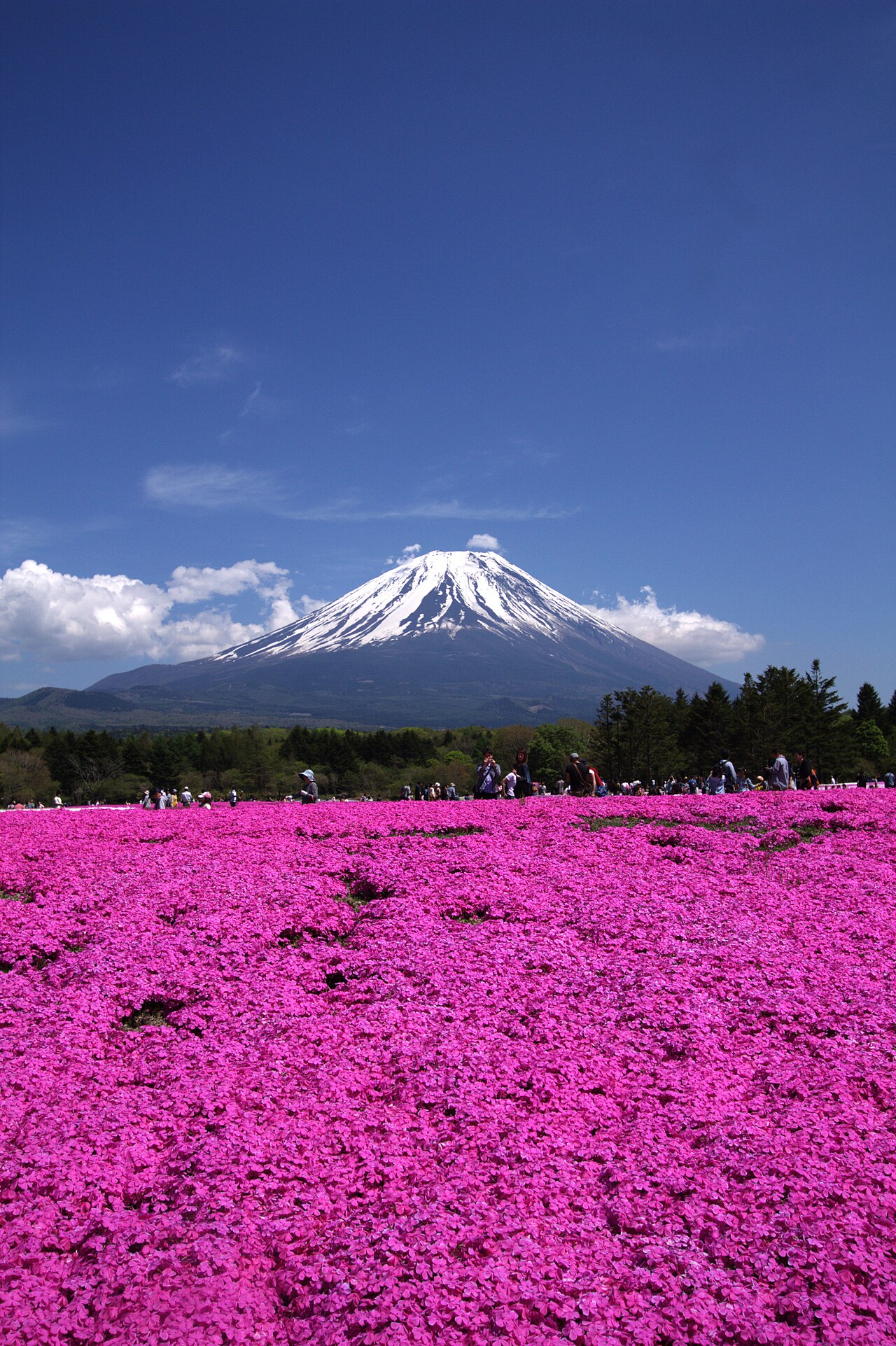
That is part of why the festival continues to draw such broad attention. Families come for the open grounds, photographers come for the mountain view, and many visitors simply come to stand in front of a scene that feels carefully tended without becoming stiff. The cultivation is visible, but so is the weather, the slope of the land, and the patience required to keep a display like this looking coherent through a long spring run.
Related reading and nearby seasonal context
Readers who want a broader sense of spring viewing in the Fuji area may also find it useful to look at coverage of shibazakura am Fuji in Fujikawaguchiko and at seasonal notes on moss phlox with a Fuji view. These related pieces help place the festival within a wider spring landscape rather than treating it as a single isolated event.
For readers searching specifically for Fuji Shibazakura Festival kanji, the festival name is often encountered in Japanese signage and schedules, but the most useful starting point is still the romaji form used here. For those interested in Fuji Shibazakura Festival japanisch lernen, the event offers a neat entry point into seasonal vocabulary: shibazakura for the flower, Fuji for the mountain, and yamanashi for the prefecture that holds it. And so it became a plan, not of grand travel, but of learning how one spring scene in Japan is built, timed, and carried forward.
Frequently Asked Questions
When does the Fuji Shibazakura Festival usually take place?
It typically runs from mid-April to late May, with the shibazakura peak often arriving from late April to mid-May.
How long does the festival last?
The festival usually lasts about 1.5 months, rather than ending at the beginning of May.
How much does admission cost?
Admission is generally around 500 to 1,300 yen depending on the season, with adult and child prices varying within that range.
How long does it take to reach the festival from Tokyo?
Travel from Tokyo to the festival area typically takes about two to three hours by train and bus.
Why do people go early in the day?
Early arrival, especially around sunrise, usually means softer light and fewer crowds, which is helpful for both viewing and photography.