The reason is simple: if you want to cover a lot of ground without burning through your budget, this kind of pass can make a trip to 北海道 (Hokkaido, Hokkaido) feel much more doable. And if you’re learning Japanese, it’s a nice chance to see how local travel deals and route planning shape real life in Japan.



Peach Free Pass for Hokkaido trips keeps its value
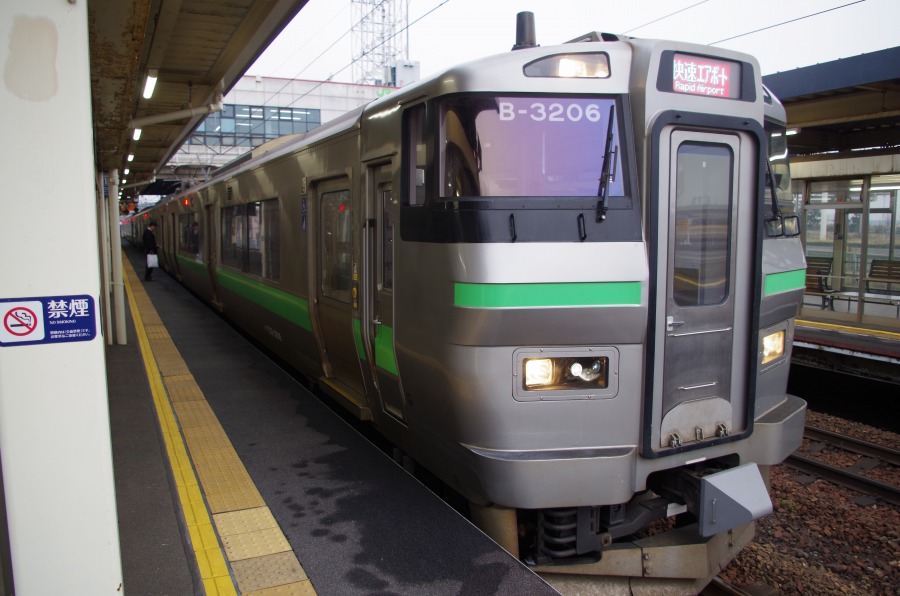
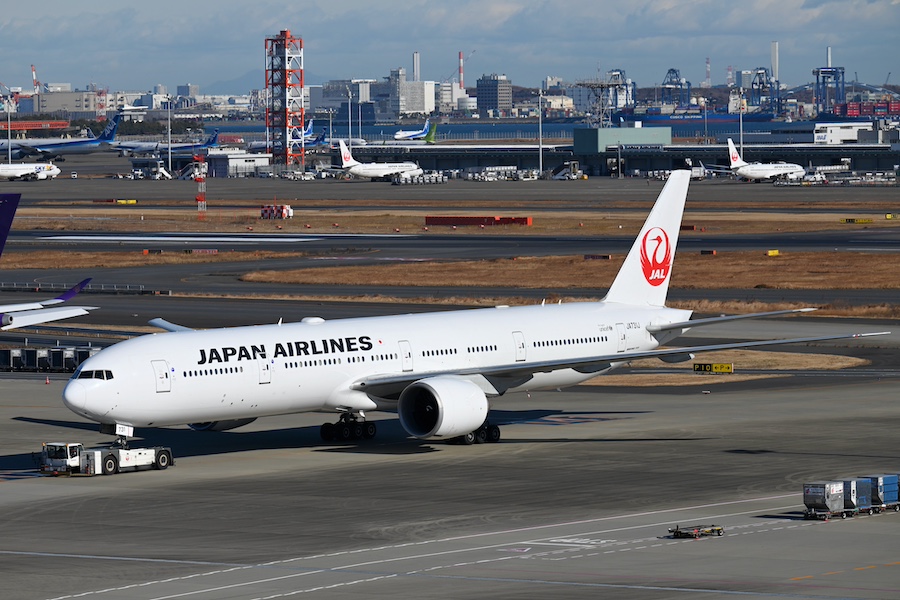
What makes the Peach Free Pass so interesting is that it sits right between rail and low-cost air travel. JR Hokkaido and Peach Aviation are continuing the pass, which means travellers still have a practical way to connect flights and trains for trips in eastern and northern Japan.
Let’s be honest: Hokkaido is huge, and that changes everything. A short hop on a map can turn into a long day if you rely on ordinary tickets, especially once you start adding transfers from airports, cities, and regional rail lines.
For Japan fans, this is one of those travel products that makes perfect sense once you look at the geography. 札幌 (Sapporo, Sapporo), 函館 (Hakodate, Hakodate), 旭川 (Asahikawa, Asahikawa), and the wider 東北 (Tohoku, the Tohoku region / northeast Japan) and Hokkaido areas are spread out enough that a flexible pass can save both time and stress. But that’s not all.
How JR Hokkaido and Peach Aviation fit together
Here’s the kicker: the pass works because it connects a budget airline with a rail operator that knows northern Japan better than almost anyone. Peach Aviation brings the cheap flight angle, while JR Hokkaido handles the land transport side, which is exactly what many independent travellers need.

Why this matters for first-time visitors
If you’re planning a route from Tokyo into Hokkaido, the usual problem is a chain reaction of travel costs. Airfare, airport access, local trains, and long-distance rail can all stack up quickly, so a bundled solution feels much cleaner.
That reminds me: Japanese travel planning often rewards people who think in segments, not just destinations. In Japanese, you’ll often hear route talk built around the idea of efficiency, and while I’m not adding the vocabulary here, the mindset is easy to spot in these kinds of passes.
My tip: if you’re the type who likes to land in one city, move around a region, then fly out from another, this pass is the kind of thing worth checking before booking everything separately. Sounds good, right?




East and North Japan travel gets a useful boost
Imagine a narrow alley in Tokyo. Now imagine trading that packed city rhythm for a wide open Hokkaido route with snow, sea, and long station platforms. That contrast is exactly why these travel products get attention, because they make it easier to stitch together a bigger Japan trip without overspending.
The pass is aimed at travel in eastern and northern Japan, which gives it a wider role than a simple Hokkaido-only deal. If you’re already heading through the northeast, or you want to build a route that includes multiple prefectures, the value can add up fast.
No joke: regional mobility is one of the most underrated parts of Japan travel. A deal like this can change whether you take a fast direct route or give yourself room to explore a smaller city, a port town, or a famous onsen stop. Personally, I think that flexibility is what makes Japan travel memorable. Sounds weird, but it's true.

TRAICY also reports a Shinkansen sale with 60 percent off
Oh, almost forgot: TRAICY says there’s also a 新幹線 (Shinkansen, bullet train) sale with 60 percent off. If that report holds for your route, it could make the whole rail side of the trip even more tempting, especially for people who want speed without paying full fare.
Here's the catch: sales like this usually come with route rules, booking windows, and seat limits. That means you can’t just assume every train or every date is included, so it pays to read the conditions carefully before you click buy.
While we're at it: this is exactly the kind of booking news that Japanese learners should watch. Travel ads in Japan often use concise, practical wording, and understanding the difference between a pass, a sale fare, and a limited-time campaign can help you read real-world Japanese travel pages with more confidence. Highly recommended: follow these deals even if you’re not travelling tomorrow, because they teach you how Japan’s transport network actually works.
For fans of Japan, the bigger lesson is simple. Cheap flight and rail combinations can unlock routes that would otherwise feel too expensive or too complicated, especially in wide regions like Hokkaido and the northeast. If you like planning a trip that balances speed, scenery, and budget, this is one of the better travel hacks to keep on your radar. But that's not all.
In pictures
Frequently Asked Questions
What is the Peach Free Pass?
It is a travel pass that combines low-cost air travel with rail access for selected routes in eastern and northern Japan.
Who should consider this pass?
It is a good fit for travellers who want to visit several places in Hokkaido or nearby regions without buying separate full-price tickets for every leg.
Is the Shinkansen discount guaranteed for all routes?
No, sale fares usually have restrictions, so travellers should check the exact conditions before booking.