
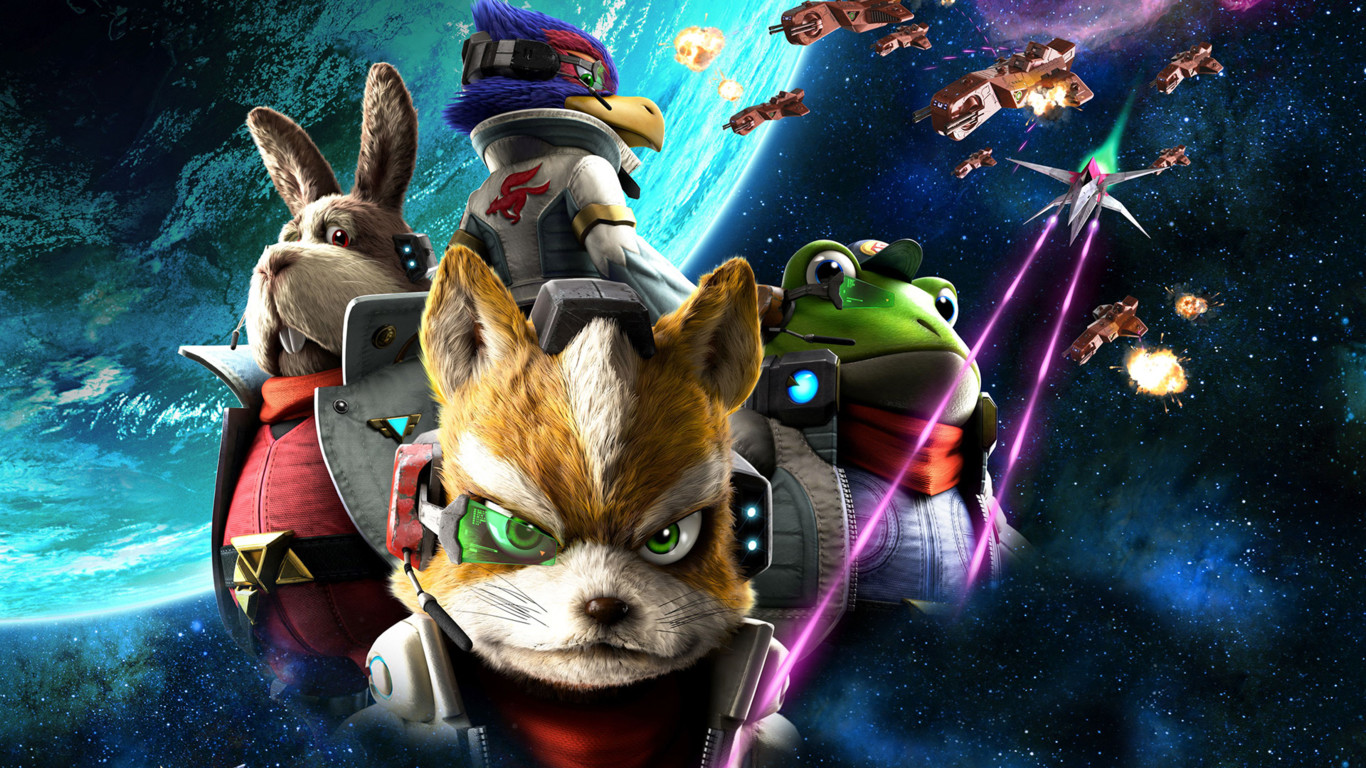
Star Fox returns, and the nostalgia hit lands hard
Star Fox is back, or at least back in the conversation, and for Nintendo fans that feels like a small jolt of electricity. The series first launched on スーパーファミコン (Super Famicom, Super Family Computer (Super Nintendo)) in 1993 as Star Fox, known for its 3D-looking polygon action and the unforgettable Peppy, Falco, and Slippy crew. Even now, that core idea, fast rail shooting with a goofy sci-fi squad, still sounds like something Nintendo should have no trouble reviving.
![Dragon Ball Z: Kakarot [Master Edition]](https://s.pacn.ws/1/p/1eh/dragon-ball-z-kakarot-master-edition-908785.1.jpg?v=t8ja8t&width=400)

What makes the comeback interesting is that Star Fox has never been a huge seller compared with Mario or Zelda, but it has always had identity. Star Fox 64 on Nintendo 64, released in 1997, turned the series into a cult favourite in North America, Europe, and Japan. Its arcade-style pacing, branching paths, and the line “Do a barrel roll!” became part of gaming memory, which is exactly why the franchise keeps getting discussed whenever Nintendo talks about legacy IP. Simply brilliant.
Here's the thing: Nintendo doesn't need every series to be a mega-hit, but when a series has this much personality, fans notice the silence. Star Fox feels like the kind of franchise that should come back more often, even if only in smaller-scale projects. My tip: if you're learning Japanese, this is also a nice reminder that Nintendo naming culture often keeps English titles short, punchy, and easy to remember, which is one reason these brands travel so well across markets. My verdict: Star Fox still has life left in it.
Why Star Fox came back while others stayed frozen
Know that feeling when a game series disappears for so long that its return feels more surprising than new? That is exactly the Star Fox situation. Nintendo seems willing to dust off certain properties when they fit a clear use case, like a compilation, a remake, or a cameo-friendly project. A flying fox squad is easy to market, easy to understand, and easy to tuck into a Nintendo history celebration.
Quick detour: Nintendo has a habit of bringing back dormant series through side routes first. F-Zero 99 arrived on Switch in 2023, not as the long-awaited big-budget sequel fans had begged for, but as a clever online twist on the 1990 SNES racer from legendary developer Nintendo EAD. That move was smart, and also a little cruel, because it proved Nintendo remembers the brand while still refusing to fund the version most people imagine.
That pattern tells us a lot. Nintendo likes control, clear brand identity, and projects that can be neatly positioned. Star Fox fits that better than some other dormant series, especially because the team already has decades of character art, ship design, and enemy types to pull from. On a related note: this is why Japanese media fans often talk about a series being “revived” rather than “restarted”, since revival can mean anything from a remake to a cameo to a limited release. Wild, isn't it?
The Nintendo series fans keep asking about
Take Metroid, for instance. Nintendo eventually gave us Metroid Dread in 2021, the first new 2D entry in 19 years, and that was a real comeback story. But the 3D side of the franchise still moves in slow motion, and many fans keep waiting for the next major step after Metroid Prime 4, first announced in 2017. Nintendo has proven it can revive Samus Aran, it just doesn't do it quickly.
To be fair: F-Zero is not the only series stuck in limbo. Kid Icarus has been dormant since Kid Icarus: Uprising on Nintendo 3DS in 2012, a game developed by Project Sora that still has a passionate cult following. Advance Wars, meanwhile, returned only through the 2023 remake package Advance Wars 1+2: Re-Boot Camp, after years of uncertainty and a long delay. These are not dead ideas, they are waiting rooms. Not bad, right?
What most people don't know: some Nintendo franchises are not ignored because they failed, but because Nintendo's internal priorities shift toward games that can sell hardware. That makes sense from a business angle, yet it also means certain series become relics of specific eras. EarthBound has not had a new mainline entry since 2006's Mother 3 in Japan, and Golden Sun has been quiet since 2010's Dark Dawn on Nintendo DS. Those are cult names with real emotional weight, but they do not always fit Nintendo's modern release rhythm. My verdict: fans can wait a very long time.
Why Star Fox gets a better shot than some others
Here's the kicker: Star Fox is easier to explain in one sentence than a lot of other dormant Nintendo series. Space animals, Arwings, boss fights, rescue missions, done. That simplicity matters in trailers, Direct presentations, and anniversary campaigns, where Nintendo has only a few seconds to make people care.
By contrast, something like Kid Icarus needs more context, and Golden Sun needs even more. If Nintendo wants a short, high-impact nostalgia burst, Star Fox is a cleaner fit. The branding is also flexible enough to work in English-speaking markets and in Japan, where concise title recognition is a real asset. For Japanese learners, that's a nice little lesson in how カタカナ (katakana-style, katakana-style) naming often helps game franchises travel across cultures, even when the gameplay style changes. See what I mean?
What Nintendo should do next with its forgotten classics
Before I forget: Nintendo does not need to turn every legacy series into a giant 100-hour epic. Sometimes a focused remake, a smaller new entry, or a polished collection is enough to remind people why a franchise mattered in the first place. That approach worked for Pikmin 1+2 on Switch in 2023, which kept the series visible while fans waited for bigger things.
My personal take is that Nintendo should rotate its neglected catalog more often, not just when a marketing slot needs filling. Star Fox, F-Zero, Kid Icarus, Golden Sun, and EarthBound all have different needs, but they share one thing: they still have devoted fans who remember the original games vividly. If Nintendo gave them even one carefully made comeback each generation, the company would look less like it is hoarding treasure and more like it is sharing it. My tip: that would also keep younger players curious, which matters a lot for long-running Japanese series.
For Japan fans, this whole situation is part of the fun. You get to track how old brands move between consoles, how Nintendo balances heritage and risk, and how a series like Star Fox can reappear just when people were starting to worry it had flown off for good. The wait is frustrating, but the occasional comeback makes the whole history feel alive. Simply brilliant.
Frequently Asked Questions
Why is Star Fox such a big deal for Nintendo fans?
Because it has a strong identity, memorable characters, and a classic action style that many players still remember fondly.
Which Nintendo series are often mentioned alongside Star Fox?
F-Zero, Kid Icarus, Metroid, Golden Sun, and EarthBound are the names fans bring up most often.
Does a comeback always mean a full new sequel?
No, it can also mean a remake, a remaster, a collection, or a smaller spin-off project.


