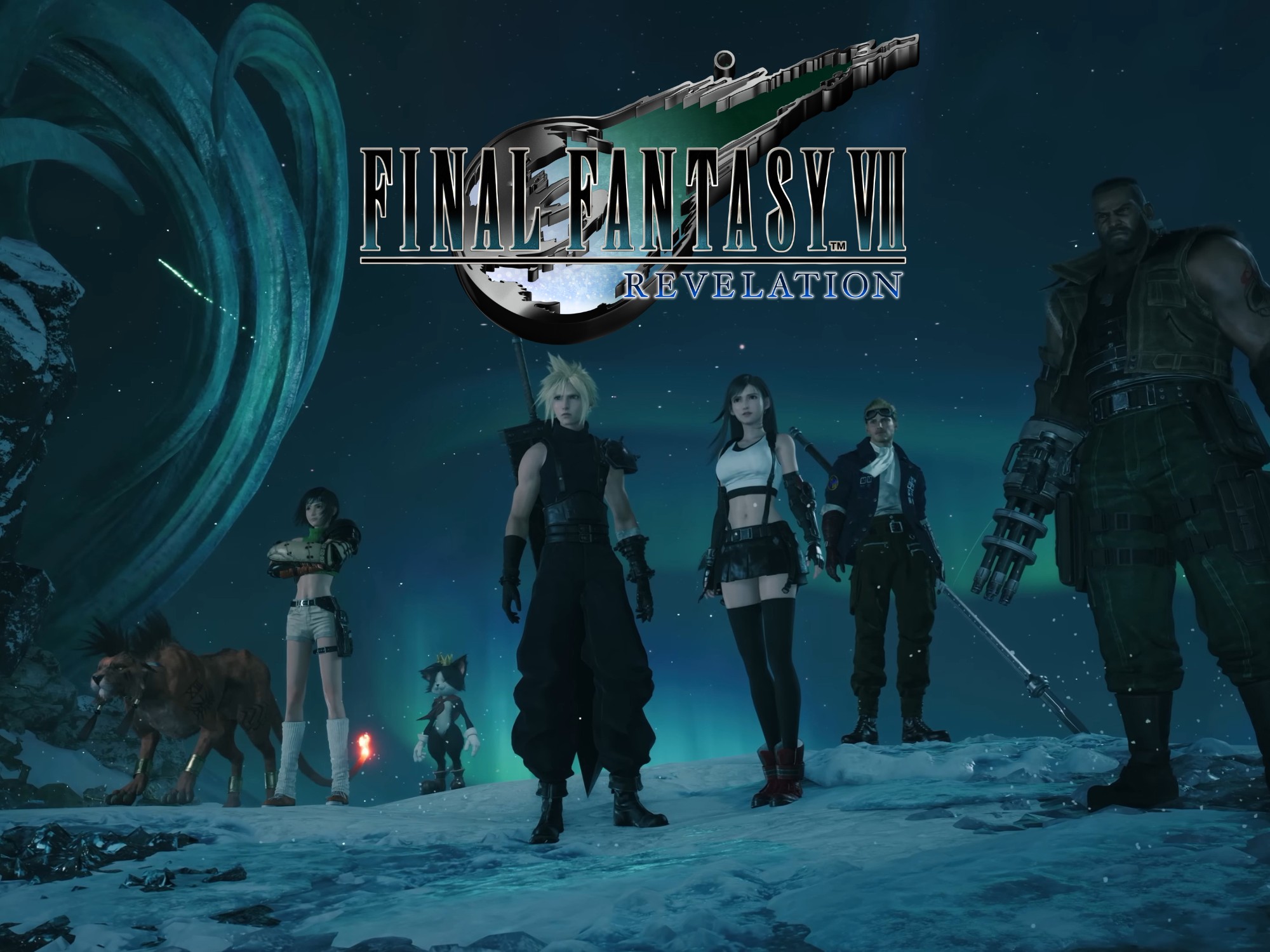
For anyone who grew up with Final Fantasy battle themes, Kingdom Hearts orchestral swells, or those quiet menu screens that somehow felt emotional, this is more than a live show. It’s a company reminding superfans that its music catalogue is part of its identity, not just background noise.



Square Enix turns its soundtrack history into a live event
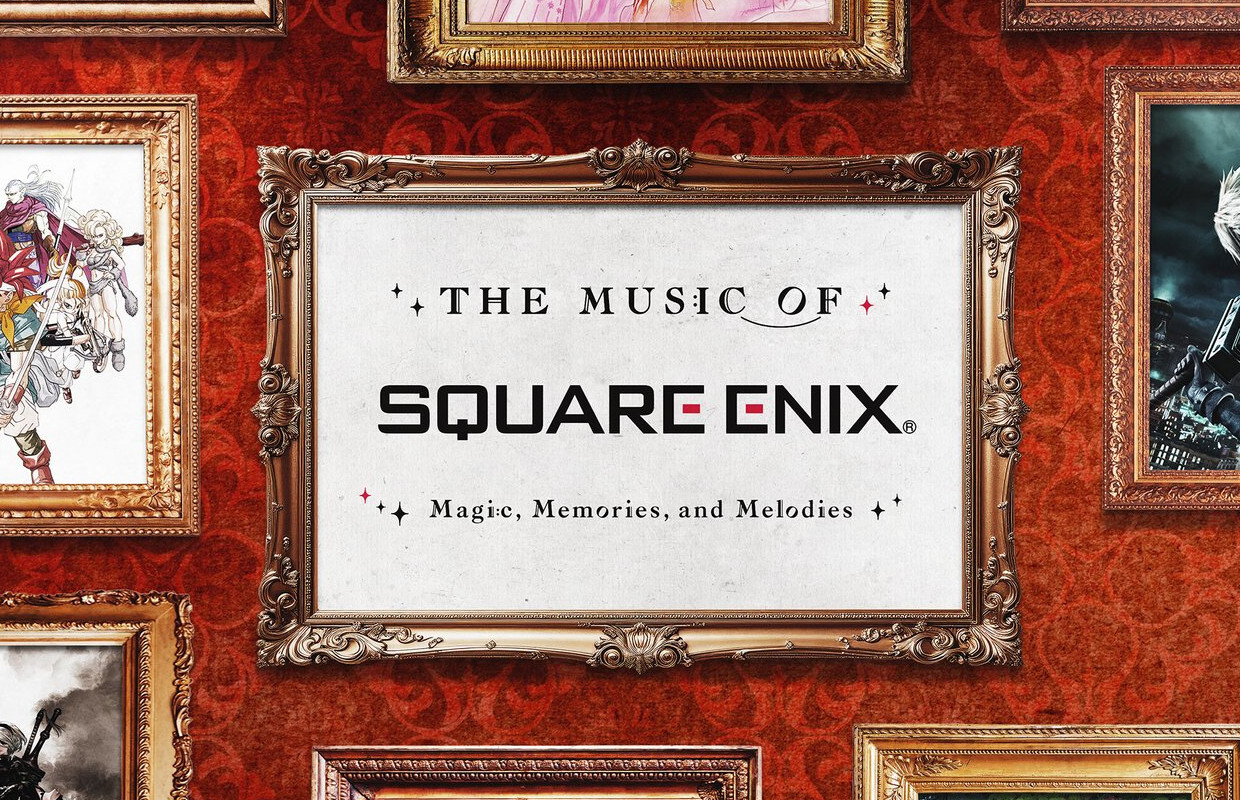
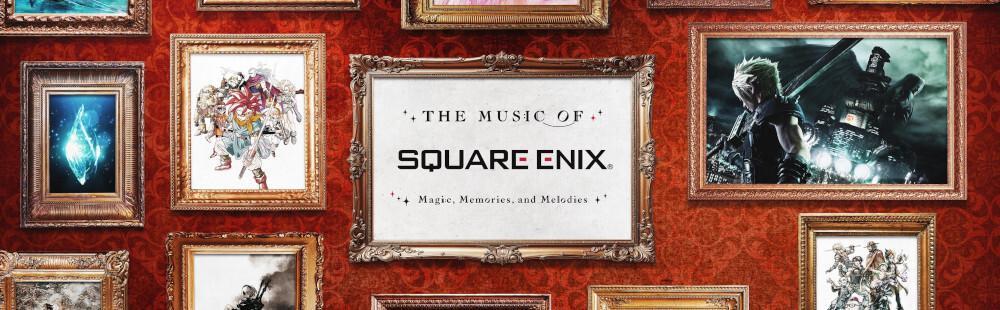
Square Enix isn’t treating this as a random one-off concert. According to RPG Site, The Music of Square Enix: Magic, Memories and Melodies is built like a confident retrospective, with the company using live orchestral music to spotlight decades of game history. That matters, because Square Enix has one of the most recognisable audio legacies in the industry, from the 8-bit era all the way to modern cinematic scores.
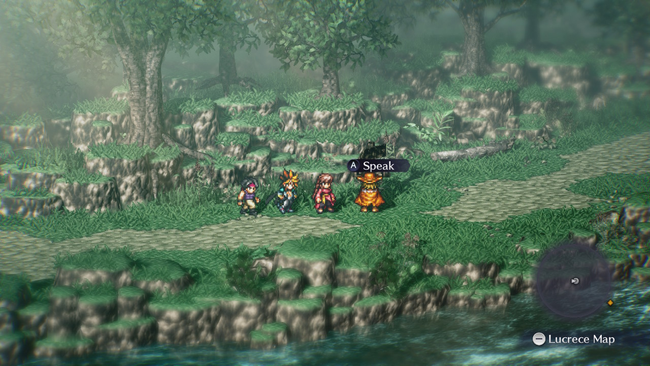
What most people don't know is that concert series like this aren’t only for casual listeners who want a nice evening out. They’re for the people who can identify a boss theme after two seconds, who remember which game used a particular melody in a field area, and who still get emotional when a familiar leitmotif returns. No joke, that’s a real audience, and Square Enix knows it.
By the way, the title alone says a lot. Magic, Memories and Melodies isn’t a generic music label, it sounds like a carefully chosen fan signal. It tells you this is about nostalgia, emotional recall, and the kind of long-running loyalty that only Japanese game brands can really build over decades. But that’s not all.
Why this concert series feels like pure fan service
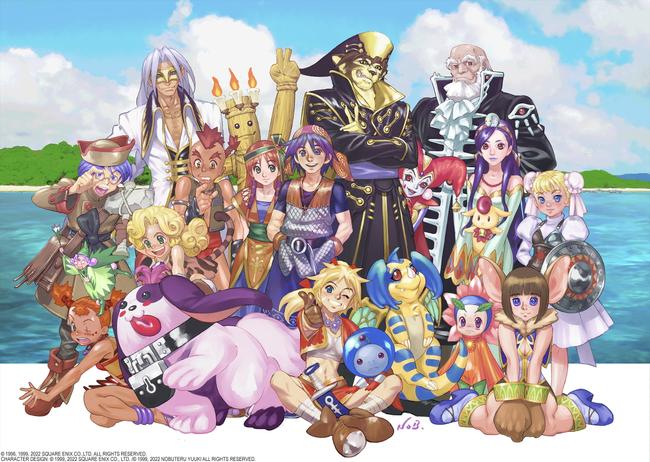
For a lot of Japan fans, game music is where the magic of the medium first clicked. Compared with back home, where game soundtracks often stayed in the background, Japanese RPGs made music feel like part of the story. Think of the opening fanfare of Final Fantasy, the airy exploration themes in Dragon Quest, or the sweeping choral pieces that have become a Square Enix signature.
That brings us to the real appeal of this concert series. It’s not just about hearing famous tracks played by professional musicians, although that alone would be enough. It’s about hearing songs with context, with a crowd that knows the games, the composers, and the emotional weight attached to each track. For example, a live performance of a battle theme doesn’t just sound louder, it can bring back the exact moment you beat a boss after dozens of tries. Wait, there’s more.
Square Enix has always understood that its older fans aren’t only consumers, they’re memory keepers. They buy the collector's editions, hunt down vinyl releases, and travel for live shows if they can. My tip: if you are learning Japanese and love game culture, listening to Square Enix concert recordings is a great way to absorb franchise names, composer credits, and the general language around fan events. You don’t need to understand every lyric or announcement to feel the enthusiasm. Simply brilliant.
The company history angle makes this stronger
Oh, almost forgot: the historical angle is a big part of why this stands out. Square Enix is the result of the 2003 merger between Square and Enix, two giants with their own long traditions, and that combined legacy gives the company an unusually rich back catalogue to pull from. If a music series wants to celebrate decades of game history, very few publishers can do it with this much material.
That also gives the concert a very Japanese kind of polish. The presentation isn’t just, here are some songs we like. It’s more like, here is our cultural archive, carefully arranged for the people who helped build it. That level of self-awareness is part of what makes Japanese fan culture so appealing to overseas audiences. It respects memory. It respects continuity. It respects the listener. From my experience, that is exactly why these events hit so hard. But that’s not all.
Why Japan fans and learners should pay attention
No exaggeration: if you are into Japan, this concert series is a great example of how media, nostalgia, and brand identity overlap in Japanese pop culture. A lot of learners focus on textbooks and apps, but the real fun starts when you pay attention to how companies like Square Enix talk to fans. Concert titles, promotional copy, and artist interviews are full of useful vocabulary in romaji, from orchestra-related terms to words for memories, heroism, and celebration.
I still remember how many fans online treat soundtrack announcements like major news. That’s not an overreaction, it’s a sign of how deeply game music lives inside Japanese fandom. You’ll see the same energy around live tours, anniversary boxes, and special edition albums, especially when a company leans into its own legacy instead of pretending it started yesterday. On a related note, that kind of confidence is rare, and it works.
For language learners, there is also a practical angle. Reading concert coverage teaches you how Japanese entertainment companies frame nostalgia. You’ll keep seeing words in romaji like 音楽 (ongaku, music), 記念 (kinen, commemoration; memorial), and 粋 (iki, chic; refined style), depending on the context, and you’ll notice how often fan culture values atmosphere as much as content. That’s a useful mindset shift. It helps you understand why a soundtrack can become a cultural event, not just a product.
What I especially like is that this kind of project never talks down to long-time fans. It assumes the audience already knows why these melodies matter, and it builds from there. That is respectful, and honestly, pretty rare in global entertainment marketing. Insider tip: if Square Enix continues this series, keep an eye on setlists and venue choices, because those details usually reveal exactly which parts of the company history it wants to highlight. Wait, there’s more.
Frequently Asked Questions
What is The Music of Square Enix: Magic, Memories and Melodies?
It is a concert series focused on Square Enix game music, designed to celebrate the company’s history and appeal to dedicated fans.
Why are fans excited about it?
Because it brings famous game themes to life with live orchestral performances and strong nostalgia value.
Is this relevant for Japanese learning?
Yes. Music news and concert coverage are great for learning how entertainment companies talk about legacy, fandom, and emotion.