
What is Irohazaka and why drive it?
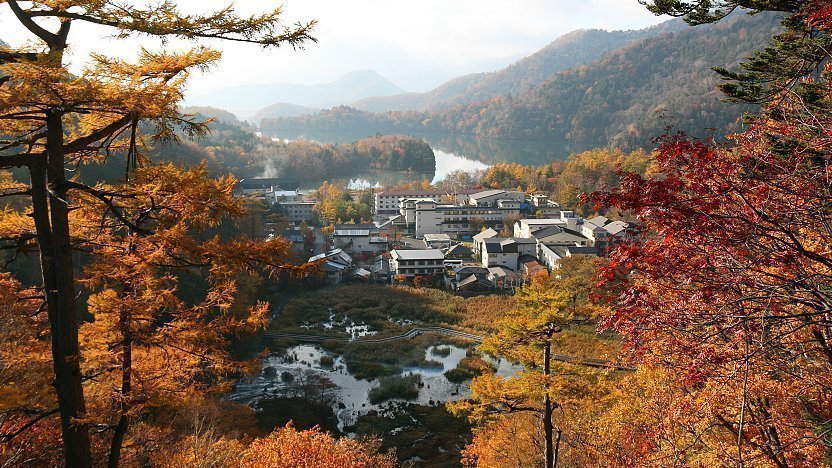
Ever wondered why いろは坂 (Irohazaka, Iroha slope/road) feels like the classic mountain movie road, with hairpin after hairpin opening into forest and lake views? The original Irohazaka had 48 curves, a number inspired by the iroha poem's 48 syllables, and that historic image is still part of the road's legend.



Imagine a narrow alley in Tokyo. Now swap neon for cedar and stone lanterns, and you'll get a hint of the contrast that makes the route so cinematic. Let me show you why locals and visitors both schedule a slow drive here, especially in autumn when the leaves change colour. Classic Japan, isn't it? Sounds good, right?
Daiichi and Daini: the two roads explained
Here's the kicker: Irohazaka isn't one lane used both ways; it's two parallel one-way roads, named 第一 (daiichi, first) and 第二 (daini, second). That setup keeps traffic flowing and gives drivers two very different experiences, so choose your direction based on what you want to see.
Daiichi Irohazaka (first road)
Take Daiichi, for instance. This is the older, more dramatic set of curves associated with the 48-turn image. It's narrow in parts and offers classic viewpoints over the valley. My tip? If you're driving, take it slowly and enjoy the switchbacks. If you're nervous about tight turns, consider a shuttle or bus instead.
Daini Irohazaka (second road)
By the way, daini is the wider and more modern route, built to handle heavier traffic and larger vehicles. It's smoother, faster, and often recommended for tour buses and larger rental cars. What I especially like is that daini still gives surprising glimpses of the forest and has occasional parking bays for quick photos. Wait, there's more.
From Nikko to Lake Chuzenji: practical route and timing
Let me show you why this drive fits neatly into a day trip from central 日光 (Nikko, sunlight), with Lake Chuzenji and Kegon Falls as anchor stops. Driving from Nikko to Lake Chuzenji takes about 40 minutes without stops, but you'll want to budget at least half a day to include photo breaks and short walks.




It's early morning in Kyoto. You might be thinking this is far away, but if you're based in Tokyo, it's feasible as a full day from Ueno or Asakusa using the Tobu Railway and a short bus or taxi leg. For drivers, know that Irohazaka sections are one-way and clearly signed. Here's the catch: road restrictions and weather conditions change seasonally, so check local Nikko traffic updates before you go.
Akechidaira viewpoint, Kegon Falls and what to see
That reminds me: Akechidaira is my favourite vantage point for seeing the zigzag of the lower road and the sweep toward Kegon Falls. The Akechidaira observatory is accessible via a short ropeway ride that takes just a few minutes and rewards you with panoramic views over Lake Chuzenji and the falls.
Ever wondered why so many photographers line up here in autumn? Kegon Falls drops roughly 97 metres and sits just below the view, making it one of Japan's iconic waterfalls. The best part? From Akechidaira, you can clearly see the pattern of the Irohazaka curves and the wider Daini route cutting through the trees. Not bad, right?
Driving tips, buses and vocabulary for learners
Here's a practical checklist for your visit. Bring a charged camera battery, use a reliable map app, and allow time for photo stops. If you rent a car, confirm insurance covers mountain roads and watch for posted speed limits and signage. Insider tip: parking at Lake Chuzenji or near Kegon Falls fills quickly on peak autumn weekends.
For Japanese learners, pick up some romaji terms on the way: daiichi means "first," daini means "second," and onsen is the hot spring you'll likely smell near Chuzenji. By the way, learning a few place names in romaji makes asking for directions at a small café or taxi much easier. My verdict? This route is as instructive for language practice as it is for scenic pleasure. Wait, there's more.
Frequently Asked Questions
Can I drive both directions on Irohazaka?
No. Irohazaka consists of two separate one-way roads. Follow signage for daiichi or daini depending on your direction.
Is Irohazaka open in winter?
Roads may close in heavy snow. Check local Nikko traffic or tourist information before travel.


