
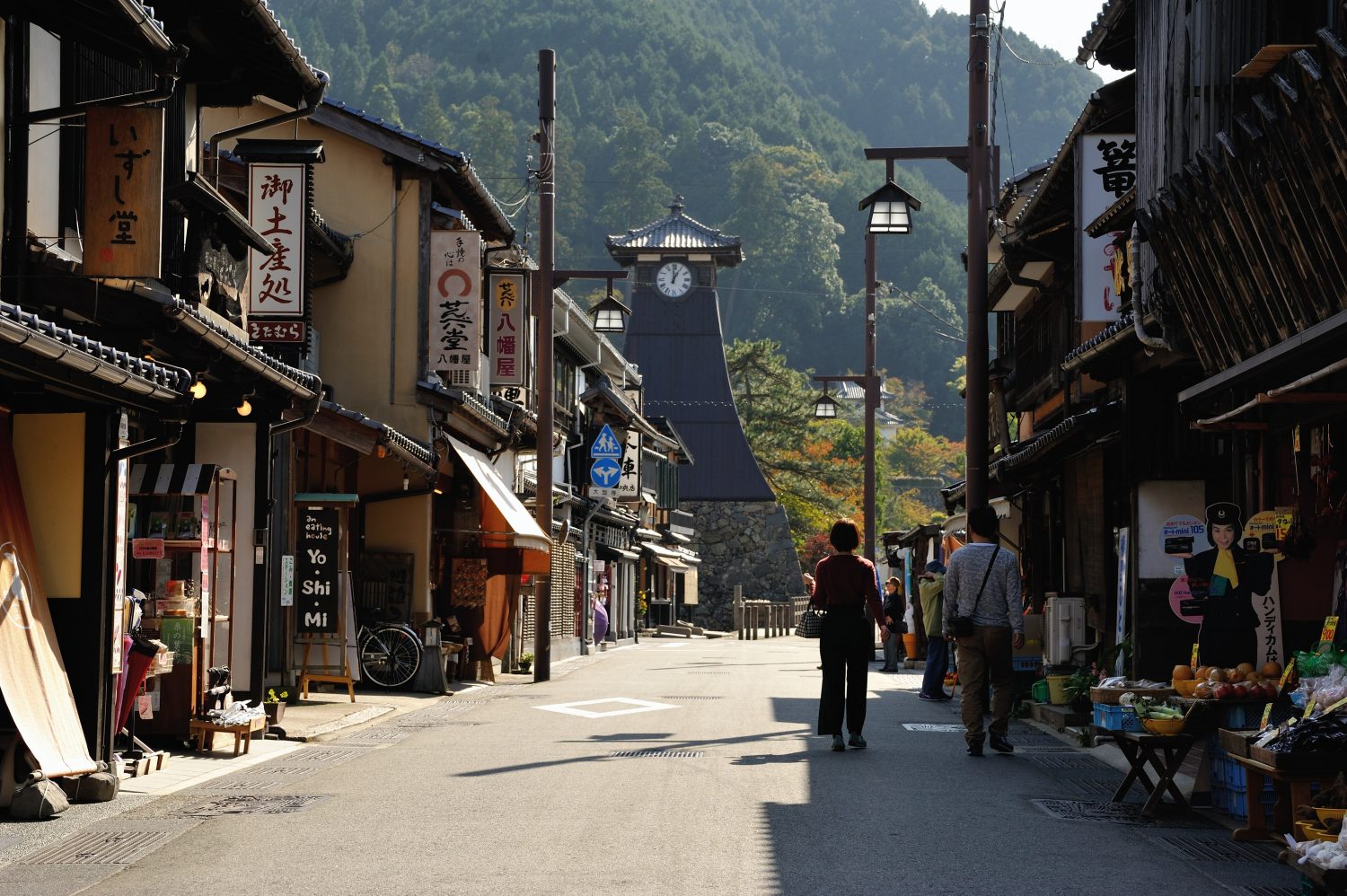
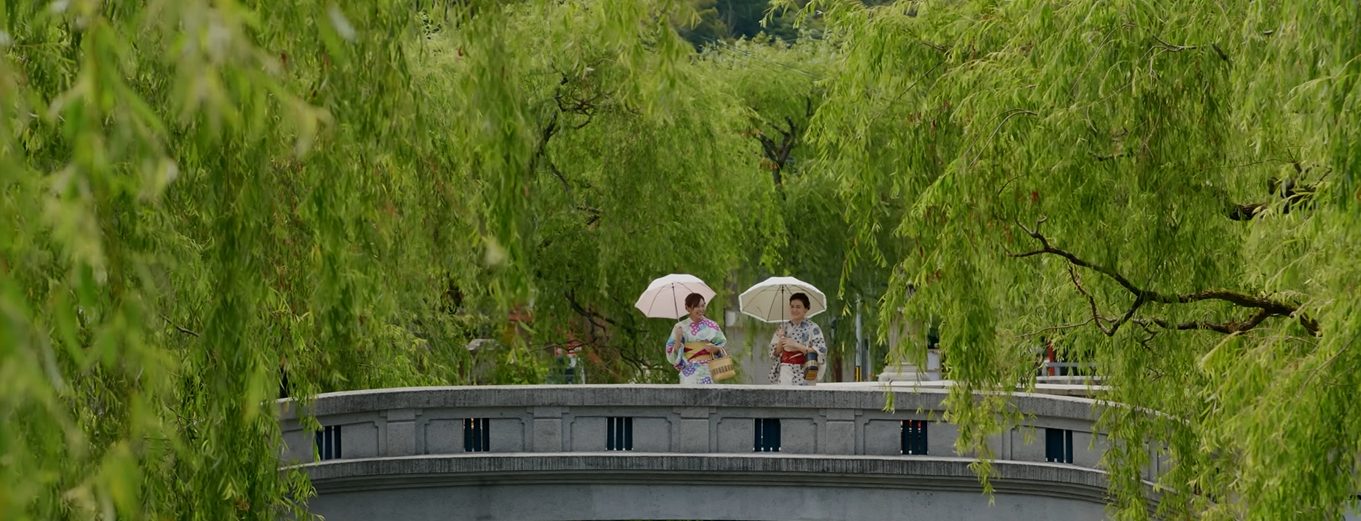
Kinosaki Onsen is one of Japan's most atmospheric hot spring towns, and it’s become a go-to destination for travellers who want the full onsen experience without worrying about tattoo policies. Just 2.5 hours from Kyoto by limited express train, this small but beautifully preserved town along the Maruyama River offers seven public bathhouses, or 外湯 (sotoyu, public bathhouse), that you walk between in 浴衣 (yukata, cotton robe) and wooden 下駄 (geta, wooden sandals) sandals. If you’ve ever felt left out of Japanese bath culture because of your ink, Kinosaki might be exactly where you need to go.



What Makes Kinosaki Onsen Special
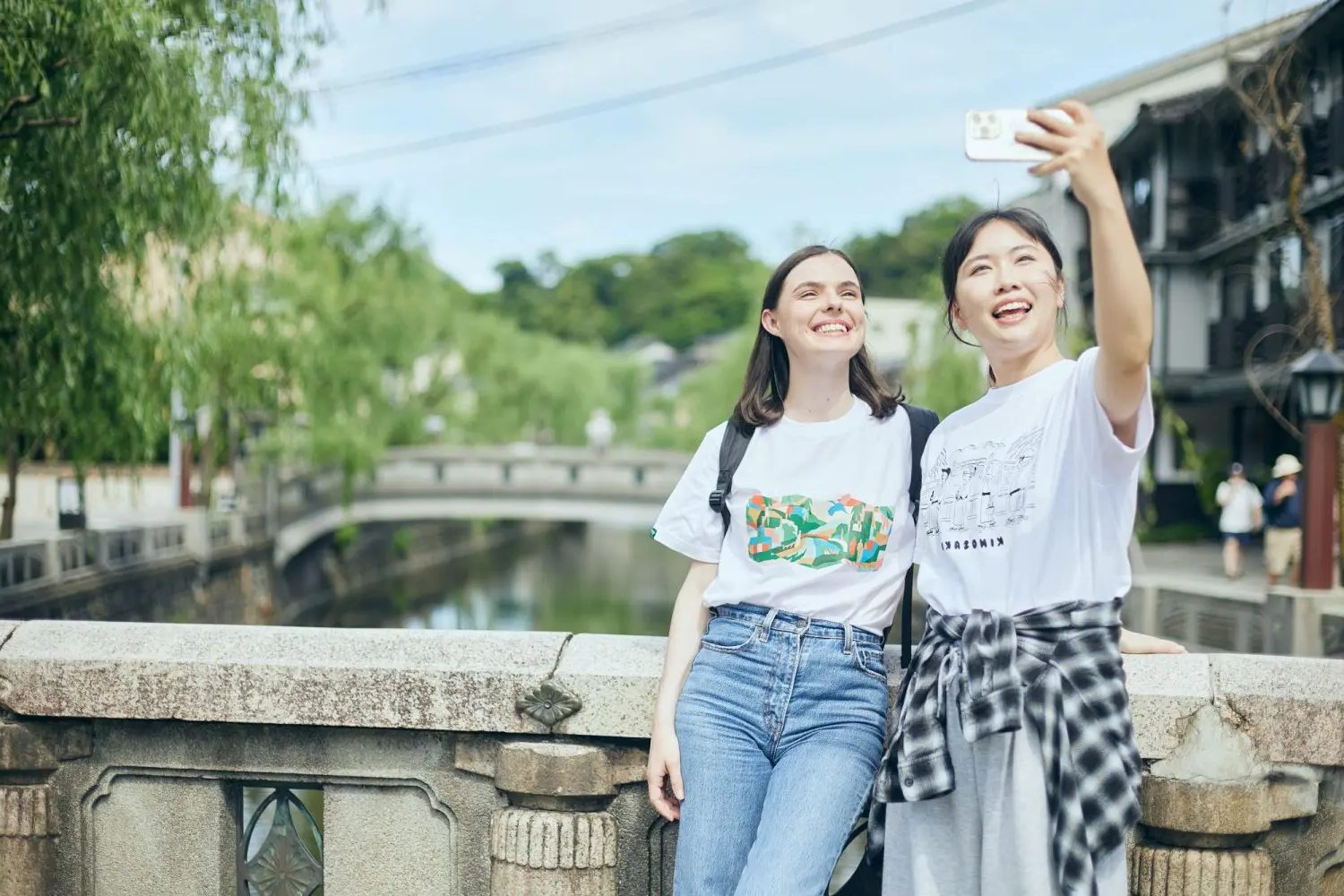
Picture this: it’s early evening, lanterns are flickering along the willow-lined canal, and you're shuffling down a stone-paved street in a cotton yukata, wooden sandals clacking with every step. That’s Kinosaki. It’s not a resort complex; it’s a whole town built around the ritual of bathing.
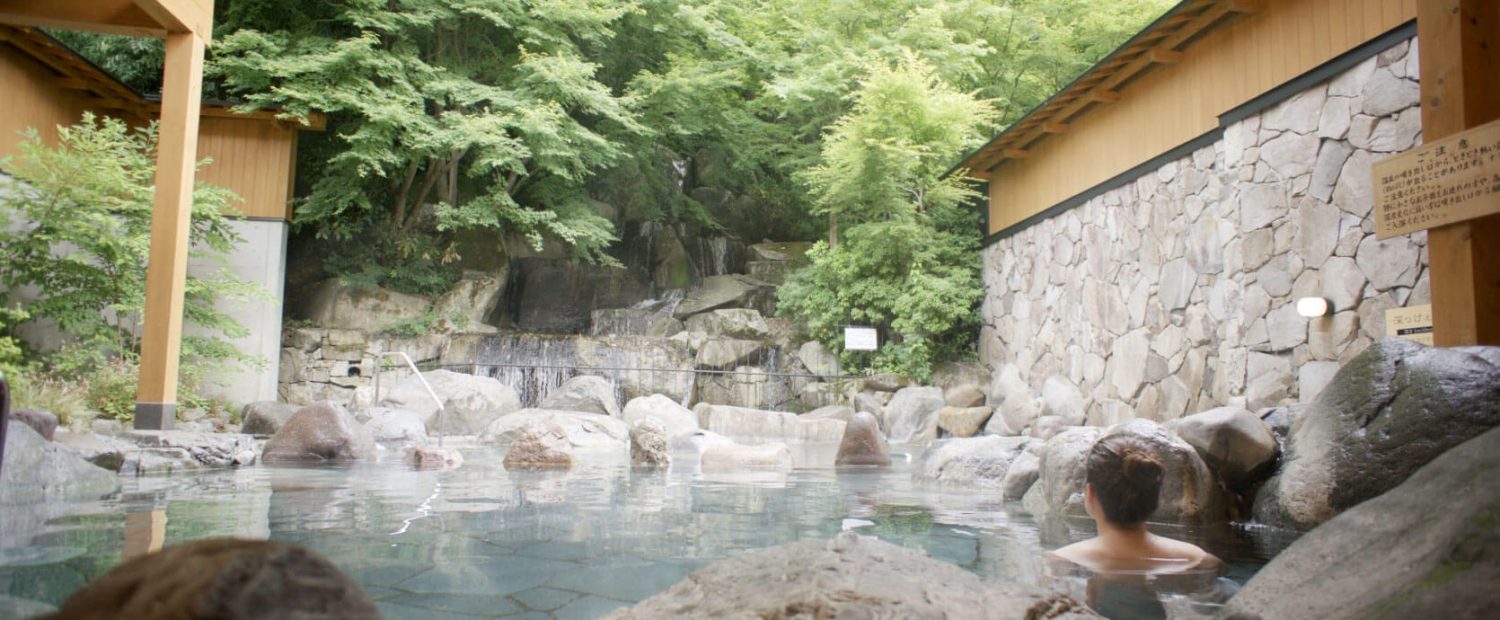
The seven bathhouses, each called a 湯 (yu, bath; hot water) in Japanese, all have different architectural styles, water qualities, and atmospheres. Ichino-yu, carved into the side of a cliff, is probably the most photographed. Mandara-yu is the oldest in town, while Goshono-yu has an elegant, almost palace-like entrance. You buy a pass called a yumepa when you check into your ryokan, and it gets you into all seven. The best part? Your ryokan itself will also have a private bath, so you’re essentially soaking all day long.
The water here is a sodium chloride spring, known in Japanese as shio-sen, which means it’s warming and good for your skin. It’s not a dramatic sulphur-heavy onsen like you’d find in Beppu. Instead, it’s softer, gentler, and perfect for long, relaxed soaking sessions. Not bad, right?
The Tattoo Question: What You Actually Need to Know
Here’s the thing: Japan’s onsen tattoo ban has been a topic of conversation for years, especially as more foreign visitors arrive with tattoos that are purely decorative. Many large-scale onsen facilities and resort chains still enforce strict no-tattoo policies. But Kinosaki is different, and that difference matters.
All seven of Kinosaki’s public sotoyu are tattoo-friendly as of recent years, welcoming guests regardless of tattoos. This isn’t a loophole or a grey area; the town has made a deliberate, public-facing decision to be inclusive. For anyone who’s shown up at a 銭湯 (sento, public bath) in Tokyo and been turned away at the door, that policy shift feels significant.
Why Kinosaki Changed Its Policy
The reason is simple: tourism. Kinosaki has long attracted international visitors, and the town recognised that a blanket ban was turning away a huge segment of travellers, including many from countries where tattoos carry zero social stigma. The local ryokan association and the town council worked together to make the change, and it’s been widely praised in travel communities and on social media. It’s a smart move and, honestly, a progressive one for Japan’s traditionally conservative onsen culture.
Pro tip: even if a place says it’s tattoo-friendly, always confirm with your specific ryokan before booking. Policies at private in-room baths within individual inns can vary slightly. A quick email or message in advance saves a lot of stress.
Getting There from Kyoto
Kinosaki Onsen sits in Hyogo Prefecture, on the Sea of Japan coast. From Kyoto Station, you take the Kintetsu or JR lines to get onto the Kinosaki line, with the most direct route being the Kounotori limited express run by JR West. The journey takes roughly 2.5 hours, and the ride through the mountains and rural Tajima region is genuinely scenic.



If you have a Japan Rail Pass, you’re in luck. The Kounotori express is fully covered, which makes this trip essentially free on top of your existing pass cost. Wild, isn’t it? One of those moments where the JR Pass pays for itself.
What I especially like about this route is that it doesn’t feel like a tourist corridor. You’re heading somewhere that the average short-term visitor to Kyoto never reaches. The train empties out, the landscape opens up, and by the time you arrive at Kinosaki Onsen Station, you feel like you’ve actually travelled somewhere.
How Long to Stay
One night is the minimum, and it works. Two nights is better. You need time to visit all seven bathhouses, explore the small shopping street called hon-machi-dori, and eat properly. Kinosaki is famous for its kani, snow crab, particularly from November through March. A kaiseki dinner at your ryokan, featuring seasonal crab dishes, is something worth planning around.
But let’s stick with the onsen for now. The recommended rhythm is: arrive by afternoon, check in, hit two or three bathhouses before dinner, eat a huge kaiseki meal, sleep, then do the remaining yu the next morning before checkout. That schedule actually works.
Japanese Learning Corner: Onsen Vocabulary Worth Knowing
If you’re studying Japanese, a trip to Kinosaki gives you a chance to use real vocabulary in context. The word onsen itself means hot spring, and the kanji for it is one of the first things you’ll see on signs everywhere. Sotoyu refers to the outdoor or external bathhouses you visit around town, as opposed to the uchi-buro or private bath inside your inn.
When you check in, staff might ask if you want to wear a yukata, the casual cotton robe. You’ll also hear the word geta for the wooden sandals, and the phrase okagesama de, a polite expression of gratitude, tossed around frequently. Learning even five or ten words before your trip transforms the experience from observation into participation. Personally, I think that’s true of any destination in Japan, but it’s especially vivid somewhere as traditional as Kinosaki.
The staff at Kinosaki’s ryokan are also incredibly patient with non-Japanese speakers. Don’t be intimidated. A few words of Japanese, a bow, and genuine curiosity go a long way. Classic Japan, isn’t it?
In pictures
Frequently Asked Questions
Are all of Kinosaki Onsen's bathhouses really tattoo-friendly?
Yes. All seven public bathhouses in Kinosaki Onsen officially welcome guests with tattoos. The town made this a deliberate policy to accommodate international visitors. That said, always check with your individual ryokan about their private bath rules, as policies can vary slightly.
How far is Kinosaki Onsen from Kyoto, and can I do it as a day trip?
Kinosaki Onsen is about 2.5 hours from Kyoto by limited express train. A day trip is technically possible but not ideal. To properly enjoy the seven bathhouses and the evening atmosphere in yukata, at least one overnight stay is strongly recommended.
Do I need to speak Japanese to visit Kinosaki Onsen?
No, you don’t need to speak Japanese. Many ryokan in Kinosaki have English-speaking staff or offer English-language materials. That said, learning a few basic words and phrases before your trip will make the experience richer and more rewarding.


