Overview
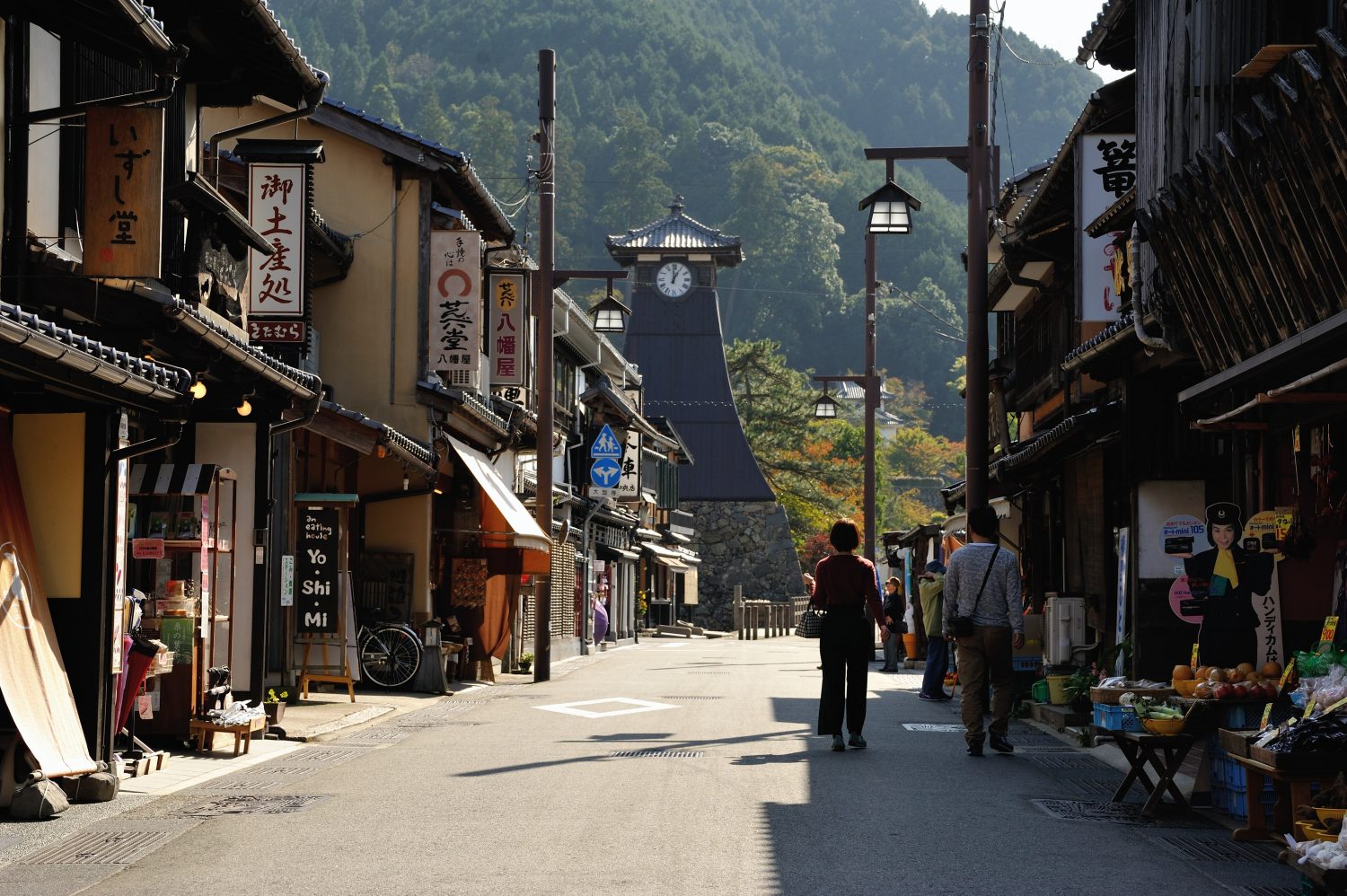
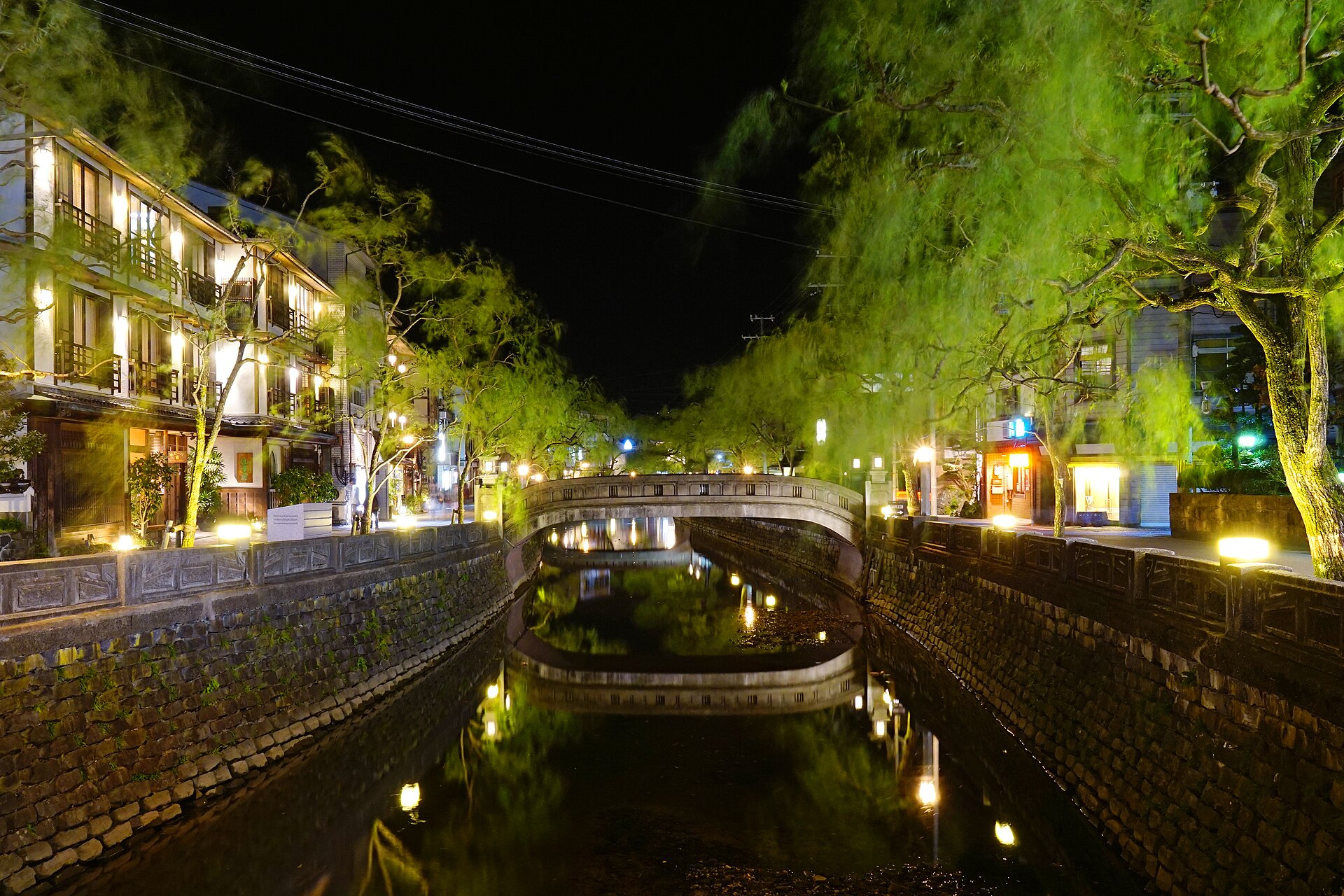
Kinosaki Onsen is one of those hidden places that rewards slow travel. It is a scenic hot spring town in Hyogo Prefecture, about 2.5 hours from Kyoto, and it has been a hot spring resort for more than 1,300 years. What makes it special is not only the water, but the whole rhythm of the town: visitors usually stay in a ryokan, slip into a yukata, and wander from one bath to another in the tradition called 温泉巡り (onsen-meguri, going from one hot spring bath to another). It is gentle, social, and just a little dreamy in the best way… the kind of place where the pace of the day naturally softens.



If you are planning a first visit, the big question is usually simple: which baths are open, how do you use the bath pass, and where should you stay? That is what this guide is here for. And if you are the sort of traveler who likes to notice the small cultural details, a little vocab helps too: ryokan means a traditional inn, yukata is the lightweight cotton robe many guests wear, onsen refers to hot spring bathing, 予約 (yoyaku, reservation; booking) means a reservation, and 貸切風呂 (kashikiri-buro, private bath reserved for exclusive use) is a private bath you can reserve for yourself or your group. Those terms matter here because they are part of the experience, not just decoration.
Why Kinosaki Onsen feels different
Some hot spring towns are about one famous bath. Kinosaki is about the walk between them. The seven public bathhouses, known as 外湯 (soto-yu, public bathhouses outside a ryokan), are spread within walking distance of one another, so the town itself becomes part of the bathing ritual. You do not just arrive, bathe, and leave. You move through streets, cross little bridges, and settle into the slower logic of the place. That is a big part of why it has held onto its appeal for so long.
The literary connection also gives Kinosaki a distinct mood. Shiga Naoya featured the town in his 1917 story Kinosaki nite, which helped turn it into a destination for literature fans as well as onsen lovers. I always think that kind of association says a lot. A place does not stay memorable for over a century unless it has a strong atmosphere of its own, and Kinosaki certainly does.
How the seven public baths work
The heart of the town is the soto-yu circuit. The seven bathhouses each have their own character, and part of the pleasure is choosing your path based on mood, time, and energy. Mandara-yu is known as more relaxed, while Goshono-yu is described as architecturally elaborate. That contrast gives you a sense of the range here: some baths feel calm and understated, others feel more ornate and ceremonial.
The exact appeal of each bath can shift a little depending on what you value most, but that variety is the point. Rather than offering a single uniform bathing experience, Kinosaki encourages you to compare atmospheres, water, and design as you go. So even if you are not usually the kind of traveler who likes repeating activities, this is one of those rare times when repetition is the experience.
All seven soto-yu are tattoo-friendly, a policy confirmed by the Kinosaki Onsen Tourism Association. That makes Kinosaki especially welcoming for travelers who often have to plan carefully around bath policies in Japan. It is still smart to check the rules for any private baths or hotel facilities, because accommodation baths may have their own policies. But for the public bathhouses, the answer is straightforward and reassuring.
Using the bath pass and planning your route
Most visitors approach Kinosaki with a bath pass mentality, even if the exact rhythm changes from person to person. The town is built around the idea of strolling from one bath to another, resting in between, and making the whole day feel pleasantly unhurried. If you are staying overnight, the ryokan will usually help set the pace, and the town is compact enough that you can build a simple walking route without much stress. That is where the charm really lands: no complicated logistics, just a pleasant loop of bathing, walking, eating, and bathing again.
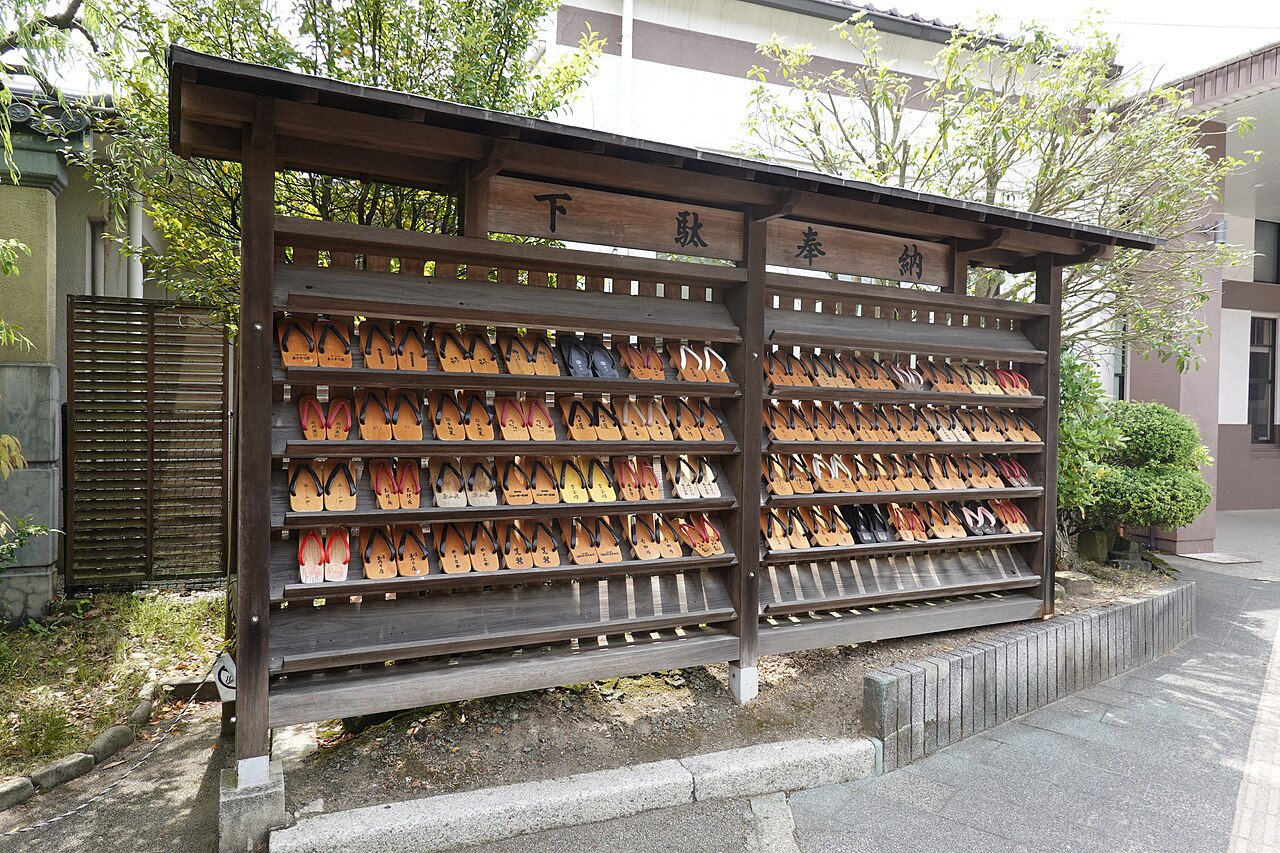
Because the baths are within walking distance, your plan does not need to be rigid. Start with whichever soto-yu fits the time of day, then let the mood guide the rest. Early evening tends to suit a leisurely first soak, while later visits can feel especially atmospheric once the streets quiet down. The whole thing works best when you leave room for patience. Kinosaki is not a checklist place. It is a place to ease into.
Where to stay for the full Kinosaki rhythm
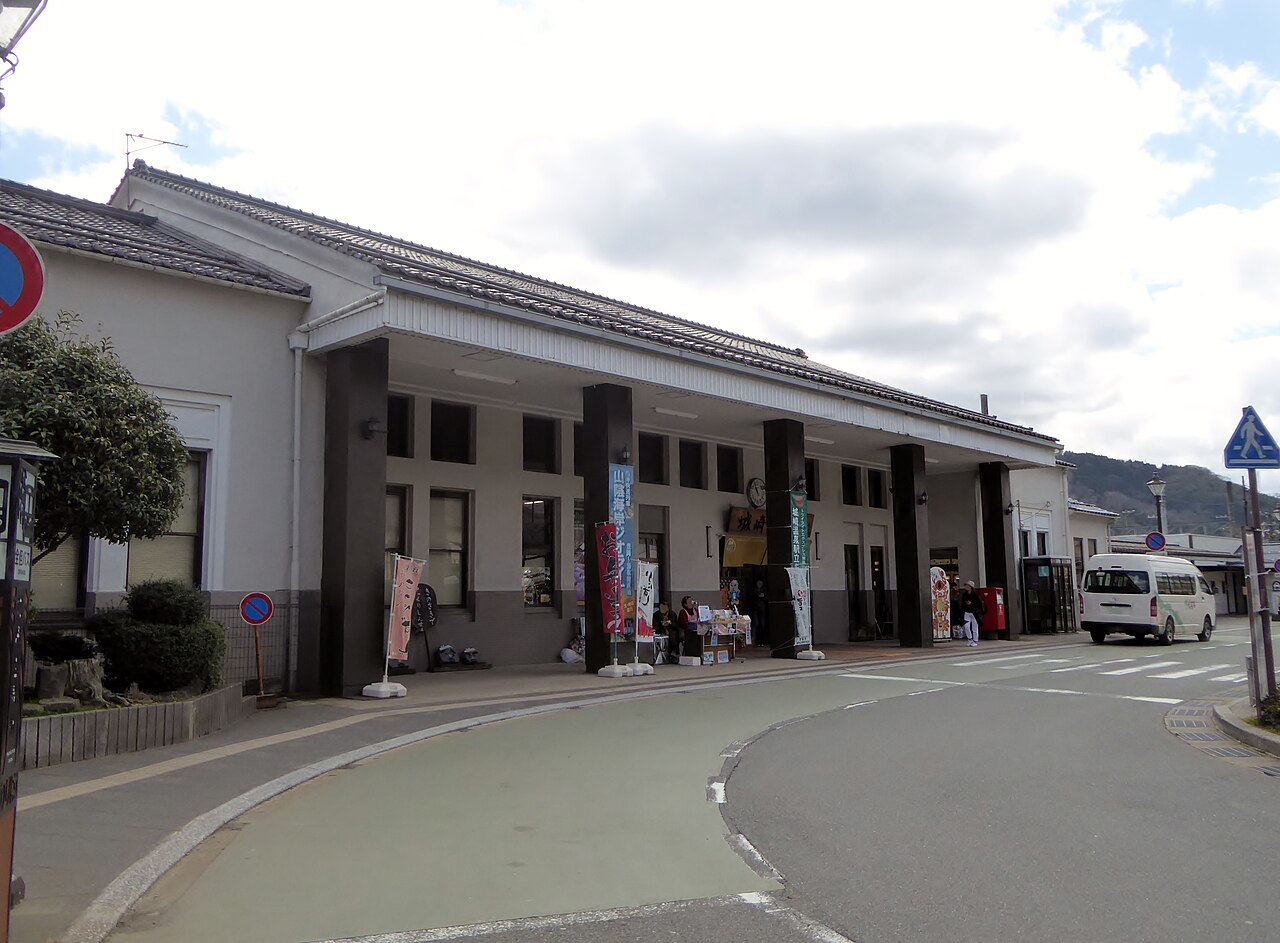
If you want the real Kinosaki flow, stay in a ryokan. That is the classic way to do it, and it makes practical sense too, because the town’s bathing culture is tied to staying overnight. One well-known option is Nishimuraya Honkan, a traditional ryokan about a 15 to 20 minute walk, roughly 1 km, from JR Kinosaki Onsen Station, with a reservation-based free shuttle also available. The inn is known for tatami rooms, wooden details, and an atmosphere that feels almost like a living museum.
That phrase may sound a bit poetic, but it fits. Properties like this are part accommodation, part cultural setting, and part experience in their own right. Nishimuraya Honkan also sometimes hosts real Noh performances, often with explanations and interactive elements, though these events are rare and usually limited to small groups with advance reservation recommended. If you are interested in a deeper cultural stay, this is exactly the kind of hidden detail that makes an overnight in Kinosaki memorable.



And if you are especially interested in Kinosaki’s cultural side, you might also enjoy reading about a Noh experience at Nishimuraya Honkan and this note on tattoo-friendly bathing in Kinosaki Onsen. Both give useful context for planning a stay that fits the town’s atmosphere.
What to know before you go
A few practical points make the difference between a nice visit and a very smooth one. First, Kinosaki is about 2.5 hours from Kyoto, so it works well as an overnight trip rather than a rushed day outing. Second, the town’s bathing culture assumes you will move at a relaxed pace, so it helps to think in terms of time blocks rather than strict appointments. Third, if you have tattoos, Kinosaki is unusually easygoing in the public baths, which removes one of the common worries for international travelers.
If you are planning a private soak, ask about kashikiri-buro options when you book your ryokan. Those can be a useful backup for travelers who want extra privacy or a quieter bathing experience. And if you are learning Japanese, Kinosaki gives you a nice little set of practical words to hold onto: ryokan, yukata, onsen, soto-yu, onsen-meguri, yoyaku, and kashikiri-buro. They are not just travel vocabulary. They are the scaffolding of the whole visit.
Why this town keeps drawing people back
Kinosaki Onsen matters because it is more than a collection of baths. It is a town where the bathing ritual, the walkability, the lodging culture, and the literary history all support one another. That is a rare combination. You come for the water, sure, but you stay for the feeling that the town has a clear identity and is happy to let you move through it at human speed.
And that, to me, is the real appeal of places like this. They do not shout. They invite. You wander a little, soak a little, learn the rhythm, and gradually the place opens up. If you give Kinosaki that time, you will eventually find your own way of doing it.
Frequently Asked Questions
How many public baths are in Kinosaki Onsen?
Kinosaki Onsen has seven public bathhouses, known as soto-yu, and they are all within walking distance of one another.
Are the baths in Kinosaki Onsen tattoo-friendly?
Yes. All seven soto-yu public bathhouses are tattoo-friendly, though private accommodation baths may have their own rules.
How far is Kinosaki Onsen from Kyoto?
Kinosaki Onsen is about 2.5 hours from Kyoto, which makes it a strong choice for an overnight stay.
Do I need to stay in a ryokan to enjoy Kinosaki Onsen?
You do not strictly have to, but staying in a ryokan is the classic way to experience Kinosaki’s yukata strolls and onsen-meguri bathing ritual.
Can I book a private bath in Kinosaki Onsen?
Yes, some ryokan may offer kashikiri-buro, which are private baths you can reserve in advance.
Sources
- Kinosaki Onsen Tourism Association — https://visitkinosaki.com/?p=2666
- Nishimuraya Honkan access information — https://www.nishimuraya.ne.jp/honkan/en/access/
- Shiga Naoya, Kinosaki nite — literary reference noted in the provided fact set