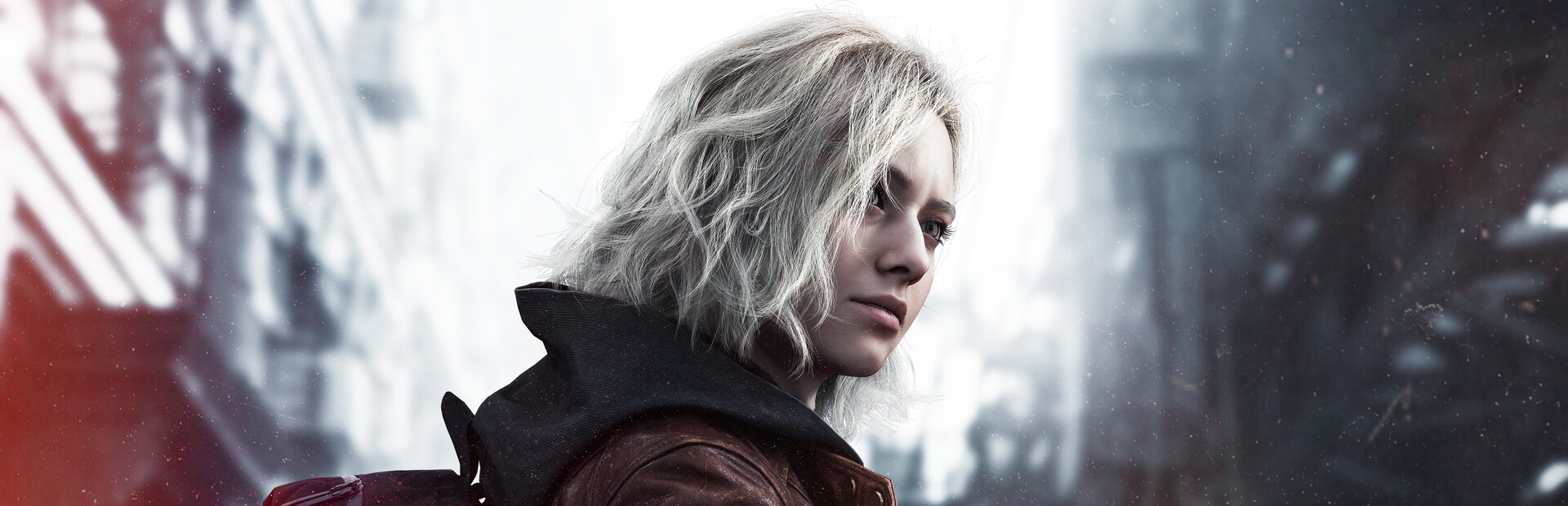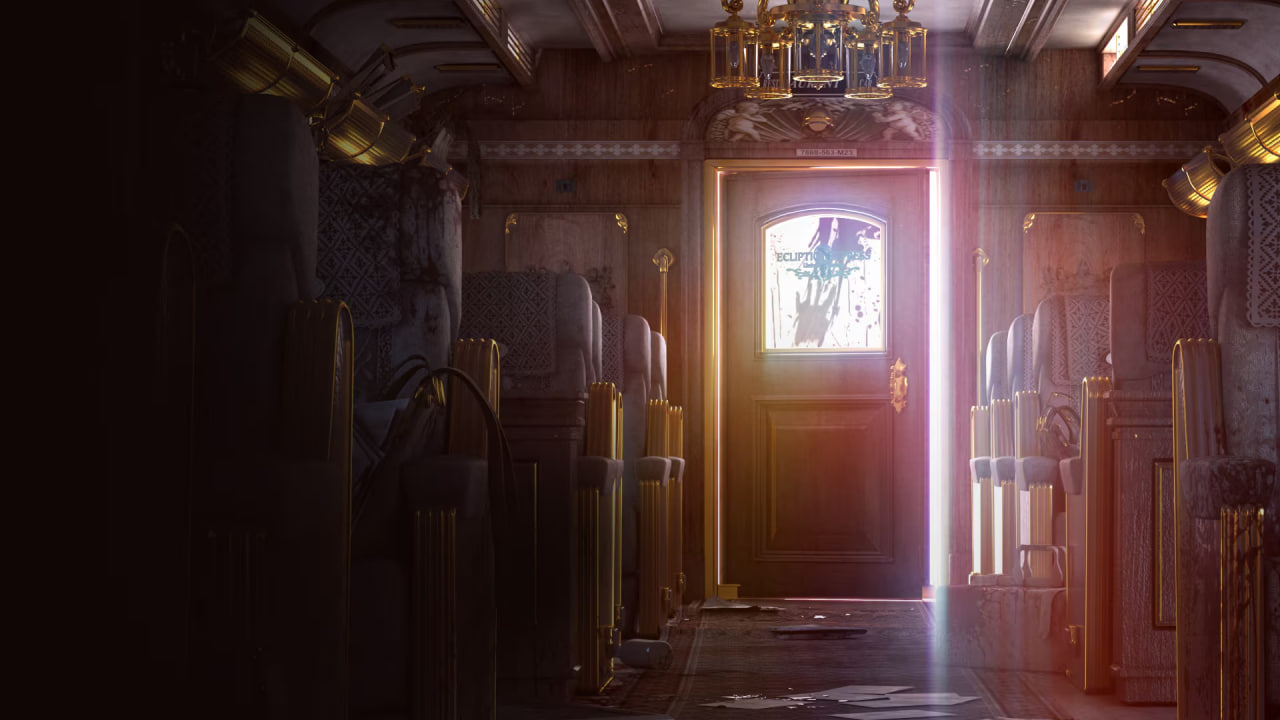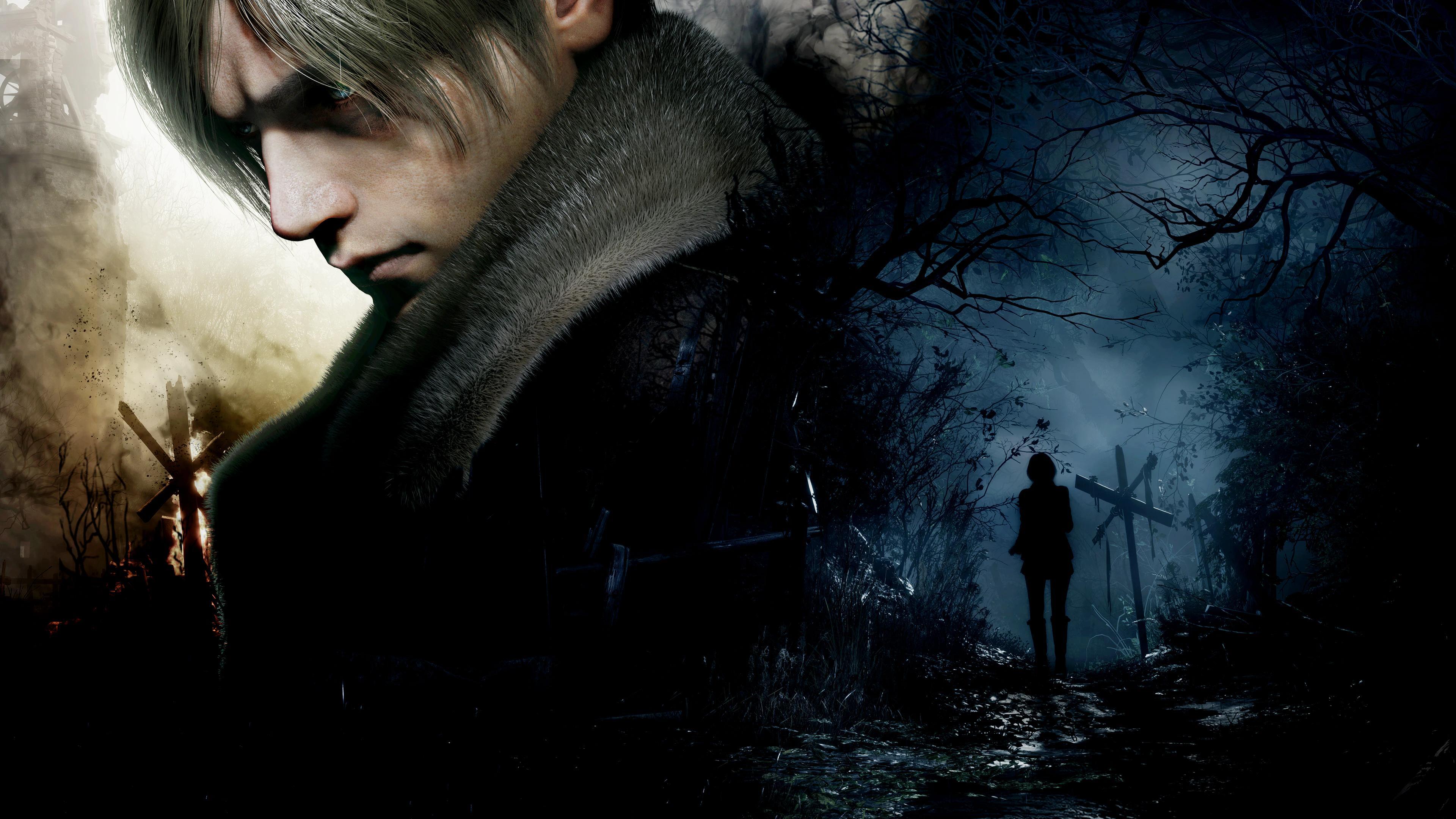
The Voice Acting That Launched a Thousand Memes
Okay, so "Jill, here's a lockpick. It might come in handy if you, the master of unlocking, take it with you." If you know, you know. If you don't, please stop what you're doing and look it up immediately, because nothing I write will prepare you for it.
![Dragon Ball Z: Kakarot [Master Edition]](https://s.pacn.ws/1/p/1eh/dragon-ball-z-kakarot-master-edition-908785.1.jpg?v=t8ja8t&width=400)

The original Resident Evil, released by Capcom in 1996, is responsible for some of the most wonderfully unhinged voice acting in the history of the medium. "You were almost a Jill sandwich." "What is this?" That’s delivered with the energy of a man who has never once felt fear. The whole thing reads like someone translated a script through three languages and then handed it to actors who had never seen the finished game. Which, as it turns out, is basically what happened.
A former Capcom localization lead, speaking to Bloody Disgusting, recently explained the actual conditions under which that localization was produced. And it's not a story of incompetence. It’s a story of constraints, context, and a Japanese publisher trying to make something work in a Western market with tools that simply weren't there yet.
What Capcom as a Japanese Publisher Actually Meant for Localization
Here's the thing about Capcom in the mid-1990s. They were an Osaka-based Japanese game developer and publisher navigating an era where the concept of "localization" as we understand it now, with dedicated teams, cultural consultants, dialect coaches, and all of that, basically didn't exist in the way it does today.
The localization lead explained that the team working on the English script was small, under-resourced, and operating without access to the full game during the translation process. Picture this: you're writing dialogue for characters reacting to zombies, but you can't actually see how the scene plays out. You're working from a script document, probably translated from Japanese, trying to make it fit a game you've never experienced in motion.
Capcom at the time was primarily focused on the Japanese market. The Western release was important, but it wasn't the primary production priority in the way it would be for, say, a modern AAA title built for a global simultaneous launch. That gap between intent and execution? That's where the cheese lives. And I will die on this hill: that cheese is part of why people still talk about this game almost thirty years later.
The Translation Pipeline Problem
No exaggeration: the localization process for early Capcom titles ran through some genuinely brutal constraints. Japanese game scripts in the 1990s were often written with very specific cultural cadence, a lot of formal register, and dramatic phrasing that reads completely differently once it's been pulled out of its original linguistic context.
When you translate from Japanese to English without room to do a full creative rewrite, you get things that are technically accurate but emotionally off. The tonality is strange. The rhythms don't land. And if you're then recording voice actors in a single day, in a booth, without the game footage to reference, you get performances that feel disconnected from the stakes of the scene. That's not a dig at the actors. It’s a systemic problem that was totally normal for the era.
On a related note, this is genuinely useful context if you're studying Japanese. The concept of 敬語 (keigo, honorific speech; polite language), which is the formal register of Japanese speech, involves very different sentence structures from casual speech. When localizers in the 1990s weren't sure how to calibrate the tone of a Japanese line, they often defaulted to something that felt "formal" in English, which reads as stiff and unintentionally hilarious. It's a linguistic collision that produced accidental art.
Why the Cult Dialogue Still Holds Up (In the Best Way)
Look, I've watched enough YouTube video essays about this to have opinions, and my opinion is that the original Resident Evil dialogue is genuinely irreplaceable. Not because it's good writing, but because it's honest evidence of a specific moment in time, a Japanese publisher trying to break into Western markets, a localization team doing their best with almost nothing, and a set of voice performances that somehow captured the low-budget horror aesthetic better than a polished script ever could have.
The 2002 GameCube remake, Resident Evil Remake, redid the dialogue with considerably more polish. It's better, but it's also less memorable. That's the trade-off.
Basically, the awkwardness was the authenticity. Resident Evil wasn't trying to sound like a Hollywood film. It was a Japanese survival horror game dressed in Western clothes that didn't quite fit, and something about that gap created a tone that felt genuinely unsettling in ways the developers didn't fully intend.
What This Means If You're Learning Japanese
Honestly, studying Japanese through game localization history is so underrated as an approach. When you look at the difference between what the original Japanese script says and what the English version delivered, you start to understand just how much work real localization involves. It's not translation; it's rewriting for a different nervous system.
My tip? If you're at an intermediate level with Japanese, try reading the ローマ字 (romaji, Roman letters; Latin transcription) transcripts of classic Capcom game scripts side by side with the English versions. You'll see immediately how things like sentence-final particles, the way Japanese encodes emotion and intention at the very end of a sentence, simply evaporate in a direct translation. The English becomes flatter. And sometimes that flatness gets performed as weird intensity, which is exactly what happened in 1996.
The word 訳した (yakushita, translated), which means "translated" in Japanese, does not mean the same thing as "localized." That distinction is something the games industry spent decades learning. Resident Evil's original English script is basically a historical document of what happens when you haven't learned it yet. See what I mean?
Capcom Then vs. Capcom Now
Compared to back home in the 1990s, modern Capcom is almost unrecognizable in how it handles localization. The Resident Evil Village team in 2021 had full simultaneous global release pipelines, dedicated localization producers per region, and voice recording sessions where actors actually played the game. The difference in output is massive.
That brings us to something the former localization lead touched on that I think deserves more attention: the institutional knowledge gap. When Capcom was building out its Western localization infrastructure in the 1990s, there was no playbook. The people doing the work were figuring it out in real time, often without proper budgets, without clear processes, and without the ear of the main development team in Japan.
Guess what? The result was a kind of accidental folk art. The gaming community recognized it as such, not immediately, but over time. The original Resident Evil dialogue went from being a sign of low production value to being a cult text. Speedrunners quote it. Cosplayers reference it. YouTube channels dedicated to it have hundreds of thousands of views.
I think I speak for a lot of people who grew up playing Capcom games in the late 1990s when I say we didn't need the dialogue to be perfect. We needed it to be ours. And somehow, against all odds, it was.
More Japan news on jpnerd.comFrequently Asked Questions
Why does the original Resident Evil have such bad voice acting?
The localization team was small, under-resourced, and working without access to the full game during production. Voice actors recorded their lines without seeing the gameplay footage, which led to performances that felt disconnected from the scenes. It was a systemic industry problem, not individual incompetence.
Was the cheesy Resident Evil dialogue intentional?
No, it wasn't intentional. According to a former Capcom localization lead, the awkward dialogue was the result of limited budgets, rushed timelines, and an underdeveloped localization pipeline at Capcom in the mid-1990s. The campy tone was an accidental byproduct, not a creative choice.
How has Capcom improved its localization since the original Resident Evil?
Modern Capcom titles go through simultaneous global release pipelines with dedicated regional localization teams, cultural consultants, and voice recording sessions where actors can actually experience the game. The difference between a 1996 Capcom release and a 2021 one in terms of localization quality is enormous.