

What Is Tsuyu and Why Every Japan Traveller Needs to Know It
Did you know that Japan has a dedicated meteorological season that doesn't appear on most Western travel calendars? 梅雨 (tsuyu, rainy season), which translates roughly as 'plum rain' in romaji, runs from early June through mid-July across most of Honshu, including Tokyo and Kyoto. It's not a typhoon; it's a slow, persistent front that parks itself over the archipelago and delivers rain day after day, sometimes for weeks.
Here's the deal: tsuyu isn't a travel death sentence. Temperatures in June hover around 22 to 27 degrees Celsius in Tokyo, which is genuinely pleasant compared to the brutal humidity of August. The rice paddies turn an almost unreal shade of green. Hydrangeas, called 紫陽花 (ajisai, hydrangea) in romaji, bloom in temple gardens across the country, and the photos are honestly stunning. Crowds at major sites drop noticeably compared to the Golden Week rush in late April and early May.
On the flip side, some days you'll get absolutely drenched. A compact folding umbrella, called a 傘 (kasa, umbrella), is not optional gear in June. Convenience stores like 7-Eleven and Lawson sell decent ones for around 500 yen if you forget, so at least the backup plan is cheap. My tip? Check the Japan Meteorological Agency website before each day rather than trusting weekly forecasts, because tsuyu weather shifts fast.
Fun fact: Okinawa enters tsuyu around mid-May, roughly three to four weeks before the mainland. If you're island-hopping, factor that into your itinerary. By contrast, Hokkaido largely escapes tsuyu altogether, which is why savvy travellers often route north in early June. Wild, isn't it?
Mount Fuji: Climbing Windows, Crowds and Realistic Expectations
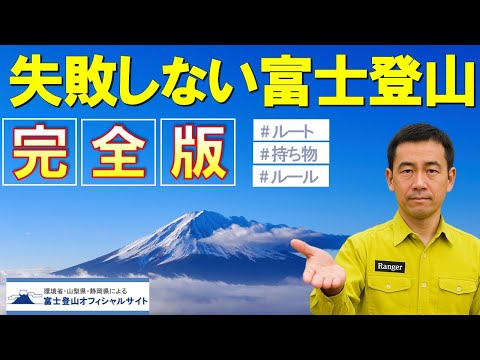
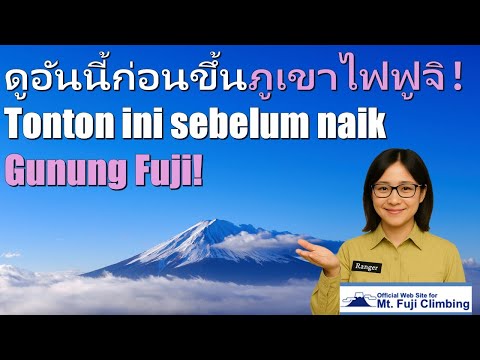
The first time I went to Japan in summer, I assumed Mount Fuji was just... there, open, always accessible. That assumption cost me a planning headache. The official climbing season for the Yoshida Trail, the most popular of the four main routes, runs from early July to early September. That means during tsuyu itself, the mountain is closed to climbers. The snow hasn't fully cleared, and conditions above 2,300 metres are genuinely dangerous.

That brings us to the post-tsuyu window. Once the rainy front lifts, usually around mid-July in the Tokyo region, Fuji-san becomes one of the most visited places on the planet for about eight weeks straight. In 2023, the Yoshida Trail alone saw over 220,000 climbers during the official season. The local Yamanashi prefectural government introduced a 2,000 yen gate fee in 2024 and a daily cap of 4,000 climbers on the Yoshida Trail specifically to manage overcrowding. That system is expected to continue in 2025 and 2026.
The Yoshida Trail vs. Other Routes
Most first-time climbers start from the Fuji Subaru Line 5th Station, called 五合目 (Gogome, fifth station) in romaji, at around 2,305 metres elevation. The Yoshida Trail from there takes roughly five to seven hours up and three to five hours down. It's the most crowded option but also the best serviced, with mountain huts called 山小屋 (yamagoya, mountain hut) offering meals, rest spots, and basic sleeping arrangements.
Know that feeling when you've booked everything and then read the small print? Book your yamagoya in advance, ideally two to three months before your climb. Popular huts like Tomoekan or Taishikan fill up by April for peak July weekends. Sleeping on the mountain rather than attempting a single-day sprint dramatically improves your summit odds and reduces altitude sickness risk. My verdict? The overnight climb to catch ご来光 (goraiko, sunrise seen from the summit), the Japanese term for the sunrise seen from the summit, is worth every yen.




Fuji Five Lakes: The Base Camp Option
Not everyone wants to climb. The Fuji Five Lakes region, called Fujigoko, offers iconic views of the mountain from lake level without a single blister. Kawaguchiko is the most accessible and has the best infrastructure for short stays. On a clear morning after tsuyu passes, the reflection of Fuji in the lake is the kind of image that makes you forget you're holding a phone. Simply brilliant.
JR Pass, Hakone Free Pass and Getting There Without Overpaying
It's early morning in Kyoto. You want to be at the base of Fuji by afternoon. Without the right rail pass, that journey gets expensive fast. The JR Pass remains one of the most debated topics in Japan travel planning, and the debate is legitimate: at roughly 50,000 yen for a 14-day pass in 2025, it only pays off if you're covering serious ground.
A Tokyo to Kyoto 新幹線 (shinkansen, bullet train) round trip alone costs around 27,000 yen without a pass. Add a trip to Hiroshima, Osaka, Kanazawa or Sapporo, and the maths tips firmly in the pass's favour. For a two-week itinerary that includes multiple shinkansen legs, the JR Pass isn't a luxury; it's basic financial sense. That's why it consistently tops recommendation lists for first-time visitors covering the classic Golden Route.
On a related note, the Hakone Free Pass is a completely separate product and one of the best regional passes in Japan. Issued by the Odakyu railway company, it covers unlimited travel on the Odakyu Line from Shinjuku to Hakone-Yumoto, plus the Hakone Tozan railway, the ropeway called Komagatake Ropeway, the Hakone sightseeing cruise on Lake Ashi, and several local buses. A two-day pass costs around 6,100 yen from Shinjuku. The Romancecar express train, which runs from Shinjuku directly into the Hakone area in about 85 minutes, is partially covered too with a separate seat reservation fee.
But let's stick with the Fuji connection for now. Hakone sits at the base of the Fuji-Hakone-Izu National Park and offers some of the finest views of Fuji-san on the planet, weather permitting. The Is Fuji Visible website even tracks real-time visibility data, which is genuinely useful when planning a day trip from Tokyo. What I especially like is that Hakone also has onsen, the traditional hot spring baths, in almost every corner of town, which makes it a perfect recovery spot after a Fuji climb. Sounds good, right?
Wait, there's more! If you're learning Japanese, the Hakone and Fuji region is a brilliant place to practise basic travel vocabulary. Words like kippu (ticket), tsugi no eki (next station), and hidari, migi (left, right) get a real workout when you're navigating the Hakone Tozan switchback railway or asking staff at a yamagoya for directions. Even a handful of politely delivered romaji-based phrases earns genuine appreciation from locals.
In pictures

Frequently Asked Questions
When exactly does the rainy season end in Tokyo?
The rainy season in Tokyo typically ends around mid-July, though the exact date varies each year. The Japan Meteorological Agency announces the official end date, called the rainy season lift, once stable high-pressure systems take hold. In recent years, it has fallen between July 11 and July 22.
Is the JR Pass worth buying for a two-week Japan trip?
For most two-week itineraries that include at least two shinkansen round trips between major cities like Tokyo, Kyoto and Hiroshima, the JR Pass pays for itself. If you're staying mostly in one city or relying on budget buses, it may not be the best value. Calculate your expected rail costs before purchasing.
Do I need to book Mount Fuji climbing huts in advance?
Yes, absolutely. Popular mountain huts on the Yoshida Trail fill up months in advance, especially for July and August weekends. Booking two to three months ahead is strongly recommended. Without a hut reservation, you'll either need to climb and descend in a single day or risk having no place to rest near the summit.


