
What Is the Hakone Loop?
The 箱根 (Hakone, Hakone (area/town)) Loop, known in Japanese travel circles as the Hakone Freepass route, is a circular sightseeing course that takes you through the Hakone area using seven different modes of transport. Yes, seven. You board the Romancecar train from 新宿 (Shinjuku, Shinjuku district), switch to the Hakone Tozan 鉄道 (tetsudo, railway) (mountain railway), ride the Hakone Tozan Cable Car, take the Hakone Ropeway over volcanic 大涌谷 (Owakudani, Ōwakudani volcanic valley), cross Lake Ashi by boat, and return by highway bus to 小田原 (Odawara, Odawara city) or back to Tokyo.



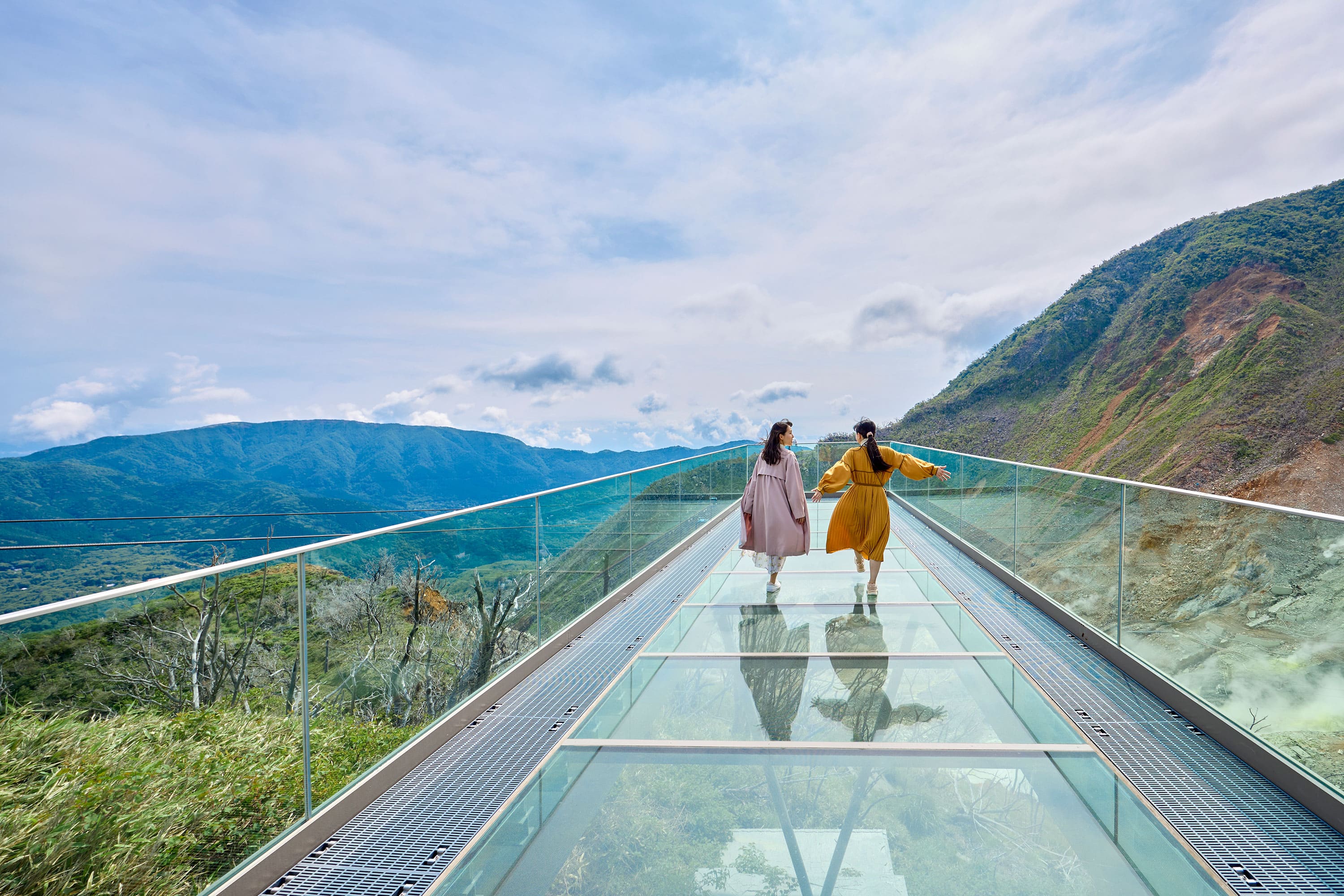
What many overlook is that this isn't just a transport novelty. Each leg of the journey has its own character, scenery and pace. The mountain railway zigzags up steep slopes using a switchback system, which is called hairpin-ten in Japanese train culture. The ropeway passes directly over the sulphur vents of Owakudani, where you can buy the famous 黒たまご (kuro tamago, black eggs), black eggs hard-boiled in volcanic hot springs, said to add seven years to your life.

My tip? Pick up your Hakone Freepass at Shinjuku Station before you leave. It covers all transport legs and saves you from buying individual tickets at each stop, which can get confusing fast.
Realistic Time Budget for the Full Loop
Here's where most travel guides get vague. Let me show you why timing matters so much on this route.
Getting There from Tokyo
The Romancecar from Shinjuku to 箱根湯本 (Hakone-Yumoto, Hakone-Yumoto hot spring town/station) takes about 85 minutes. Regular express trains via Odakyu Line take around 90 minutes but require a transfer at Odawara. Add travel time to Shinjuku from central Tokyo, and you're looking at departing no later than 8:30 AM if you want a full day. Earlier is better, especially on weekends.
The Loop Itself
No exaggeration here: if you rush through every stop, the loop takes roughly 5 to 6 hours. But who wants to rush? A comfortable pace with short stops, lunch and a look around Owakudani clocks in at 7 to 8 hours. If you add a longer lunch break, a detour to one of the onsen (hot spring baths) near Hakone-Yumoto, or a stop at the Hakone Open Air Museum, you’re easily looking at 9 to 10 hours total time in the area.
Here's a rough sequence with honest time estimates:
Shinjuku to Hakone-Yumoto (Romancecar): 85 minutes. Hakone-Yumoto to Gora (mountain railway): 40 minutes including the switchback sections. Gora to Sounzan (cable car): 10 minutes. Sounzan to Togendai (ropeway): 30 minutes. Togendai to Moto-Hakone (Lake Ashi cruise): 30 minutes. Moto-Hakone to Odawara (highway bus): 50 minutes. Odawara to Shinjuku (Odakyu express): 75 minutes.
That's already around 5.5 hours in motion alone. Budget at least 2 to 3 hours for stops, meals and photos, and you'll arrive back in Tokyo between 7 PM and 9 PM, depending on your start time.
Is the Hakone Loop Family-Friendly?
Hand on heart, yes, but with a few caveats worth knowing before you go.




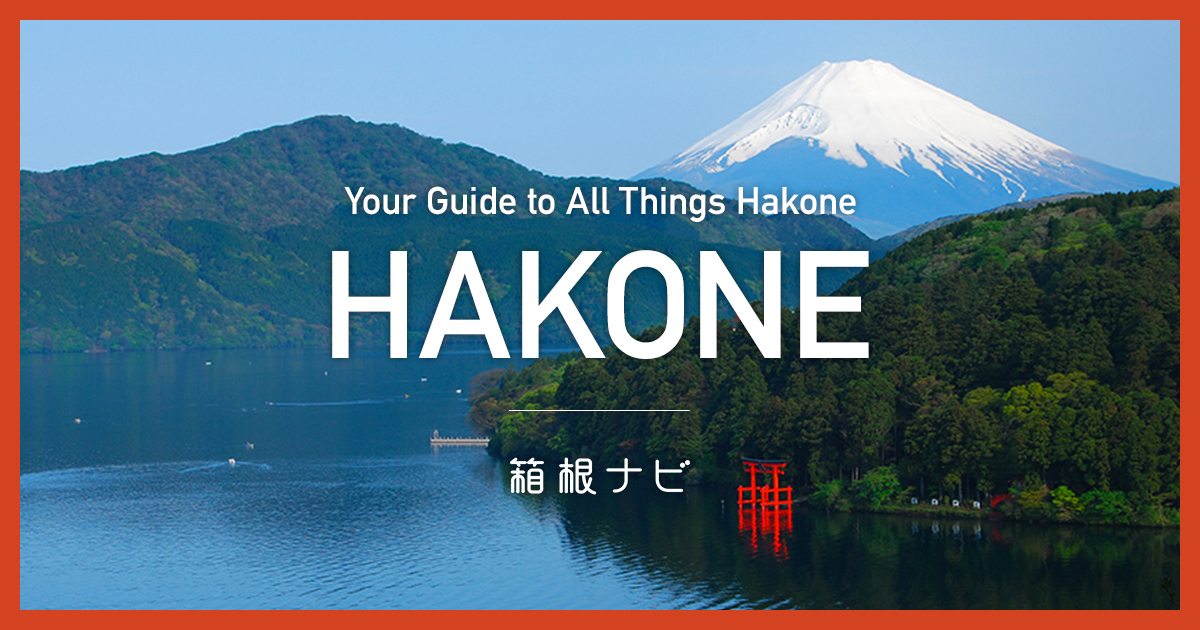
The Hakone Tozan railway is genuinely fun for kids. The zigzag switchback sections feel like a mini adventure, and children under 6 travel free with the Hakone Freepass adult ticket. The Lake Ashi cruise boats, especially the European-style galleon ships operated by Izuhakone Kisen, are a big hit with younger travellers. On clear days, Mount Fuji appears in the background, which is one of those moments you won't forget quickly.
Plot twist: the ropeway section can be tricky with very young children or anyone with a fear of heights. The gondolas pass directly over the Owakudani crater area, and on clear days, you're hanging a long way up. It's spectacular, but worth knowing in advance. If the ropeway is suspended due to volcanic activity (which does happen), a replacement bus route runs between Sounzan and Togendai, but it breaks the loop's magic somewhat.
What I especially like about the loop for families is that there are natural rest points. Gora has a small park and cafes. Moto-Hakone has lakeside walking paths and the Hakone Shrine torii gate rising out of the water, one of Japan's most photographed spots. You don't have to rush from one transport to the next.
Tips for Making the Most of Your Day
Did you know that the Hakone Freepass also gives you discounts at many museums and attractions in the area? The Hakone Open Air Museum near Chokoku-no-Mori Station is worth the detour if you have an extra hour and enjoy modern sculpture in mountain scenery.
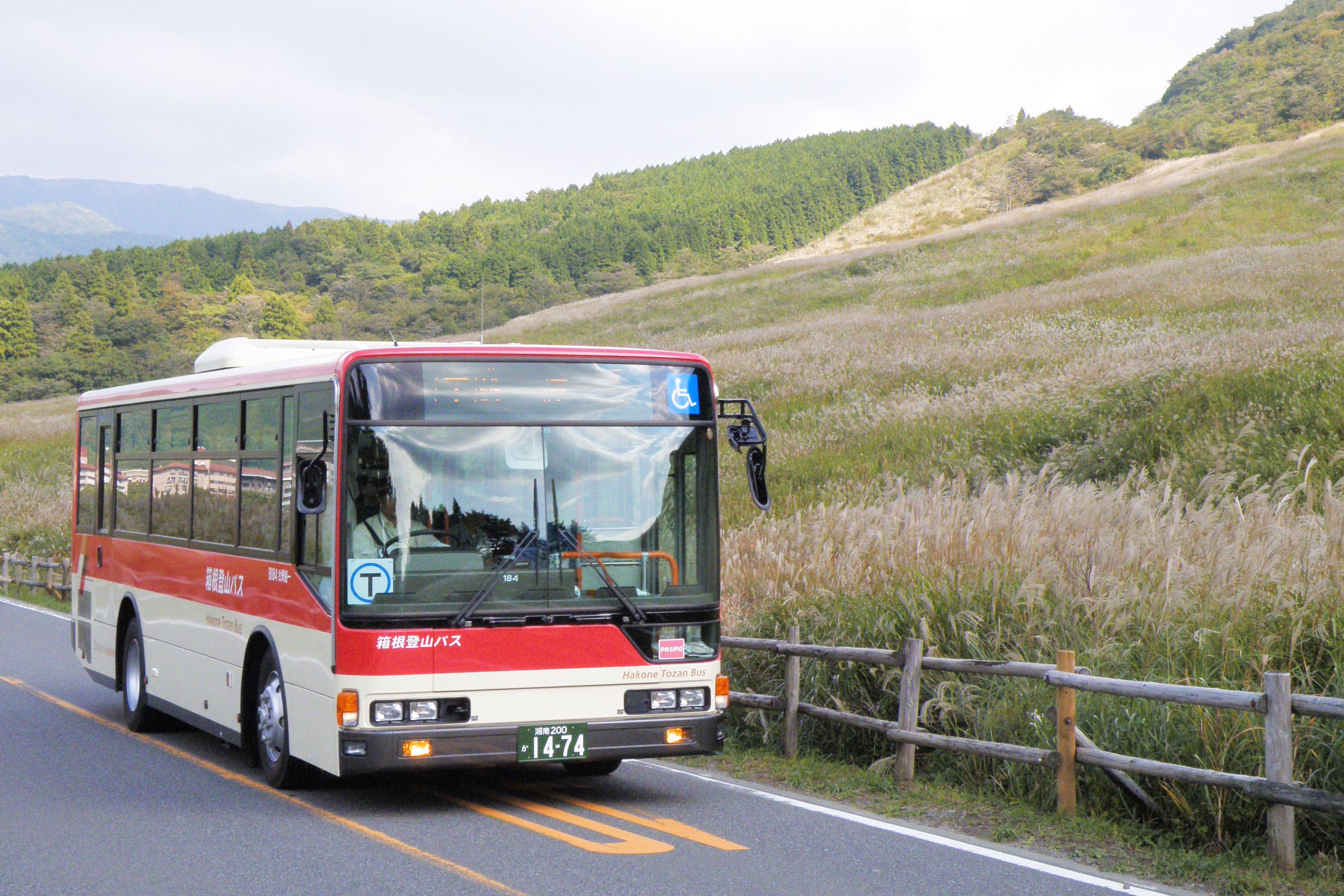
A great example of smart loop planning is to start the loop from Gora going up (cable car, then ropeway), cross Lake Ashi early before afternoon mist settles in, and return via bus to Hakone-Yumoto for a soak in an onsen before heading home. This order also means you hit Owakudani in the morning when visibility is usually best.
On the flip side, if Mount Fuji views are your priority, afternoon light often makes the mountain more visible from Lake Ashi. Weather in the Hakone area changes quickly, so don't bank entirely on one moment.
Guess what? The Odakyu Romancecar seats sell out on weekends. Book online or at least a day ahead through the Odakyu e-Romancecar website. Otherwise, you'll be standing on a regular express for 90 minutes, which is a lot less fun.
My verdict? The Hakone Loop is one of Japan's genuinely great travel routes. It works as a day trip from Tokyo, suits families, solo travellers and couples equally, and the variety of transport keeps things engaging throughout. Give it a full day, not a half day. You'll thank yourself.
More Japan news on jpnerd.comIn pictures


Frequently Asked Questions
Can you do the Hakone Loop in half a day?
Technically possible, but not recommended. The loop itself takes around 5 to 6 hours of travel time, and rushing through it means missing most of what makes it special. A full day from Tokyo is the realistic minimum for a comfortable experience.
Is the Hakone Freepass worth buying?
Yes, in most cases. The pass covers all transport on the loop route plus discounts at attractions. For a full loop day trip from Shinjuku, it typically works out cheaper than buying individual tickets, and it removes the hassle of paying at each stop.
What is the best time of year to visit Hakone?
Spring and autumn offer the clearest skies and the best chances of seeing Mount Fuji. Winter is also good for visibility, though the ropeway occasionally closes due to wind or volcanic conditions. Summer can be hazy and crowded, especially during Japanese school holidays.


