

Why Shinjuku Is the Perfect Starting Point
The first time I went to Japan, I was completely overwhelmed by 新宿 (Shinjuku, Shinjuku district) Station. It handles around 3.5 million passengers daily, making it officially the busiest train station in the world. But here's the thing: once you know where you're going, it clicks into place fast.



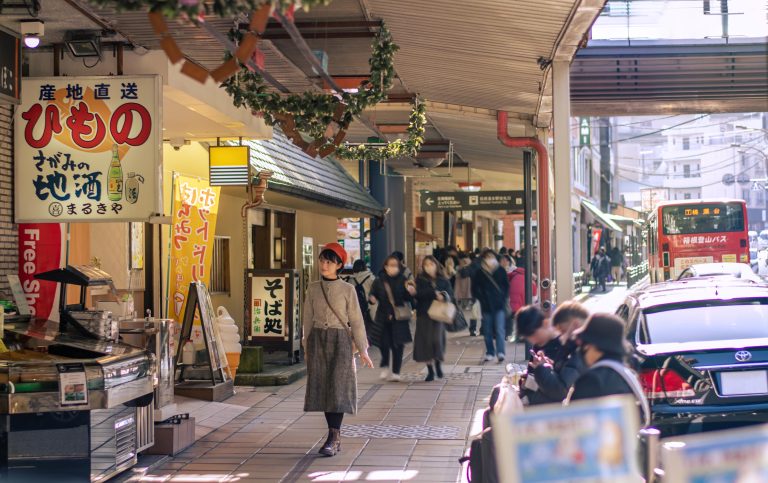
For a 箱根 (Hakone, Hakone area) honeymoon route, Shinjuku is your launchpad. The western exit (西口 (nishi-guchi, west exit)) leads you straight to the Odakyu Shinjuku Station, which sits right next to the main JR hub. You'll find clear signage, and the staff at the Odakyu counter are genuinely helpful if you ask nicely. By the way, picking up a Hakone Free Pass right here at the Odakyu ticket office is one of the smartest moves you can make. It covers the romance car train, the Hakone Tozan Railway, the ropeway, the cruise on Lake Ashi, basically almost everything you'll want to do.
Shinjuku itself is worth at least an evening before you head out. The 歌舞伎町 (kabukicho, Kabukicho district) area is loud and neon-drenched, but wander five minutes south into 思い出横丁 (omoide yokocho, Memory Lane) (Memory Lane), and you're suddenly in a narrow alley filled with tiny 焼き鳥 (yakitori, grilled chicken skewers) stalls, smoke, and the smell of grilled chicken. Classic Japan, isn't it?
The Odakyu Line: More Than Just a Train Ride
Did you know that the Odakyu Line has been connecting Tokyo and Hakone since 1927? It's not just transport; it's part of the experience.
The highlight is the Romancecar, a limited express service that runs from Odakyu Shinjuku Station all the way to Hakone-Yumoto in about 85 minutes. The name romancecar (romansu ka in romaji) comes from the idea that the forward-facing panoramic windows were designed for couples. You sit side by side looking out at the city gradually giving way to mountains and cedar forests. My tip: book the front observation seats in advance online, they sell out fast, especially on weekends and during autumn foliage season (koyo, usually late October to mid-November in the Hakone area).
As the train climbs toward Hakone-Yumoto, you'll notice the language on station signs switching to include more romanji alongside the standard script. This is actually a great moment for Japanese learners to practice reading place names out loud. Stations like Odawara, Hakone-Yumoto, and Gora are worth memorising because you'll be using them all trip long.
Useful Vocabulary for the Train Journey
A few terms that'll come in handy on this route: ressha means train, kippu is ticket, norikae means transfer, and jikan-hyou is the timetable. Don't worry about being perfect; locals genuinely appreciate any attempt. Sounds good, right?
Hakone: Onsen, Ryokan and the View of a Lifetime
Hakone sits inside a volcanic caldera, which is exactly why the onsen culture here runs so deep. The geothermal activity that makes you nervous about living near a volcano is the same thing pumping naturally hot, mineral-rich water into every bathhouse and ryokan in the area. There are several distinct onsen towns within Hakone, including Hakone-Yumoto, Miyanoshita, and Gora, each with its own character.
A ryokan stay is non-negotiable for a honeymoon here. These traditional Japanese inns include a tatami room, a yukata (casual cotton robe) to wear around the inn, a kaiseki dinner (multi-course Japanese cuisine), and access to either a private or shared onsen bath. Prices range widely, from around 15,000 yen per person per night for a simpler place to well over 50,000 yen at high-end spots like the Hakone Kowakien Ten-yu or Gora Kadan. On the flip side, if a full ryokan stay blows the budget, you can book a day-use onsen (higaeri onsen) at several facilities and still get the full soaking experience.



Catching Mount Fuji from Hakone
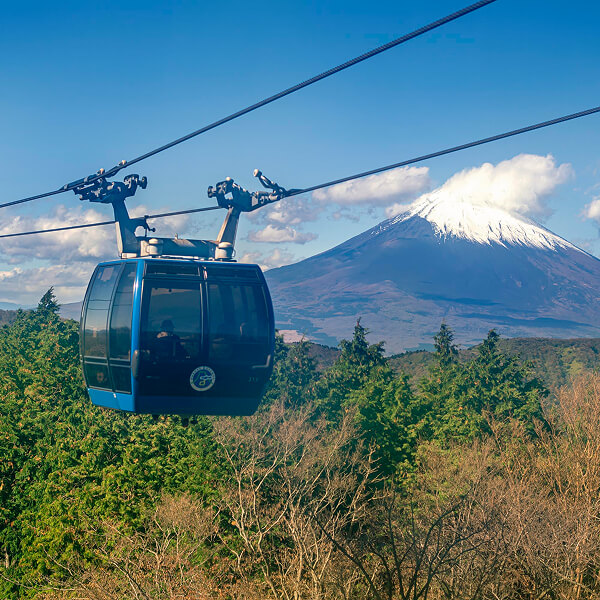
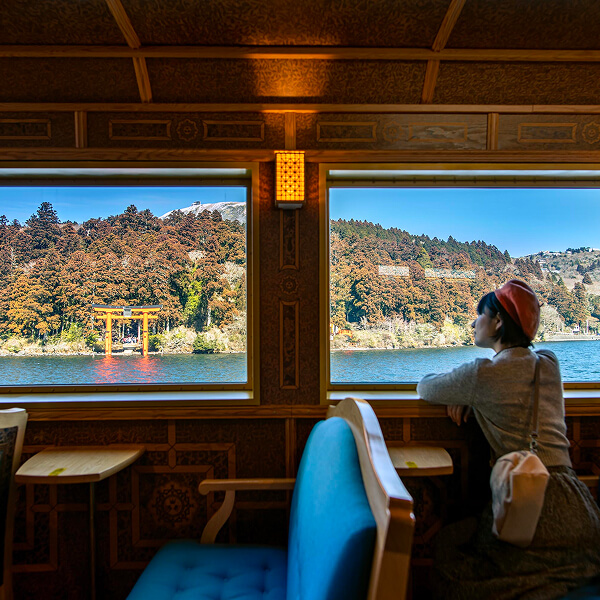
No joke: seeing Mount Fuji from Hakone for the first time is one of those travel moments you don't forget. The best spots are around Lake Ashi (Ashi-no-ko), where the reflection of Fuji in the water on a clear morning is genuinely breathtaking. The sightseeing boats on the lake, some styled after old European sailing ships, run regularly and give you a moving panorama of the mountain.
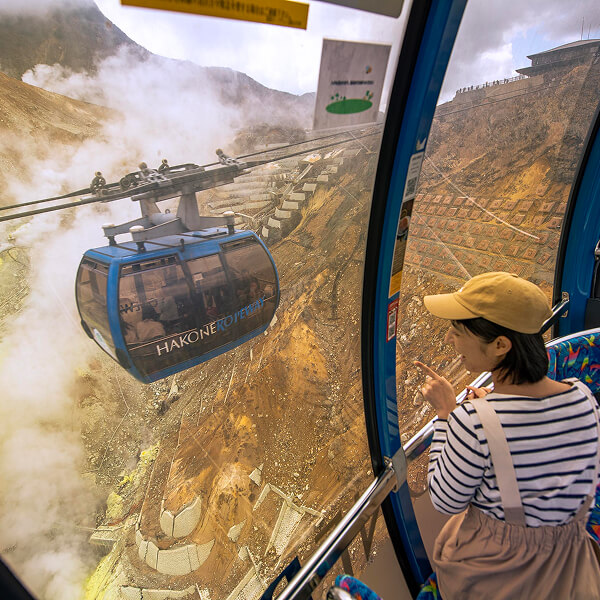
What I especially like is the Hakone Ropeway between Sounzan and Togendai, which floats you directly over the Owakudani volcanic valley, with sulphurous steam rising from the ground below and, on a clear day, Fuji sitting perfectly in the distance. It's about a 25-minute ride, and it's included in the Hakone Free Pass. The best part is that if visibility is good, the mountain appears suddenly as you crest a ridge, no warning, just there, massive and white-capped.
Fuji visibility is genuinely seasonal. Winter months (December to February) give the clearest skies and the most snow on the peak. Summer, especially July and August, is often cloudy around the summit. Spring can go either way. If Fuji views are the main goal, plan accordingly.
Making the Most of Your Hakone Honeymoon Route
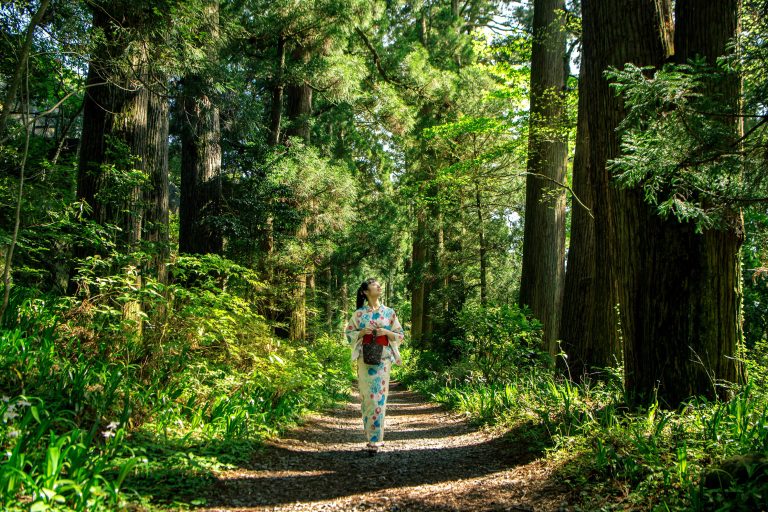
Two nights in Hakone is a comfortable minimum. Three nights lets you slow down, explore the Hakone Open-Air Museum (one of Japan's best outdoor sculpture parks, open since 1969), and take a morning walk along the old Tokaido highway's cedar-lined Amazake-chaya section without feeling rushed.
Before I forget, the Hakone Free Pass is valid for either two or three days from the date of issue, and you can buy it at Odakyu Shinjuku Station or even online before your trip. The three-day version costs around 6,100 yen (2024 pricing) and covers almost all transport within the Hakone area, including the Hakone Tozan switchback railway up to Gora, which is an experience in itself.
Basically, this route works because it layers experiences naturally. You go from urban excitement in Shinjuku to the gentle countryside transition on the train, to mountain villages, volcanic landscapes, traditional inns, and one of the world's most iconic mountain views. It's not complicated; it's just very, very well designed by geography and history together. My verdict: the Hakone honeymoon route earns its classic status completely.
In pictures
Frequently Asked Questions
How long does the train ride from Shinjuku to Hakone take?
On the Odakyu Romance Car express train, the journey from Shinjuku to Hakone-Yumoto takes around 85 minutes. Local trains take longer, roughly 2 hours or more with transfers.
Is the Hakone Free Pass worth buying?
Yes, for most visitors it is absolutely worth it. The pass covers the Romance Car discount, the mountain railway, the ropeway, the lake cruise, and local buses inside Hakone. If you plan to use more than two or three of these, the pass pays for itself quickly.
What is the best time of year to visit Hakone for clear views of Mount Fuji?
Winter, from December to February, offers the clearest skies and the best chance of seeing Mount Fuji with a full snow cap. Summer is often cloudy and less reliable for mountain views.


