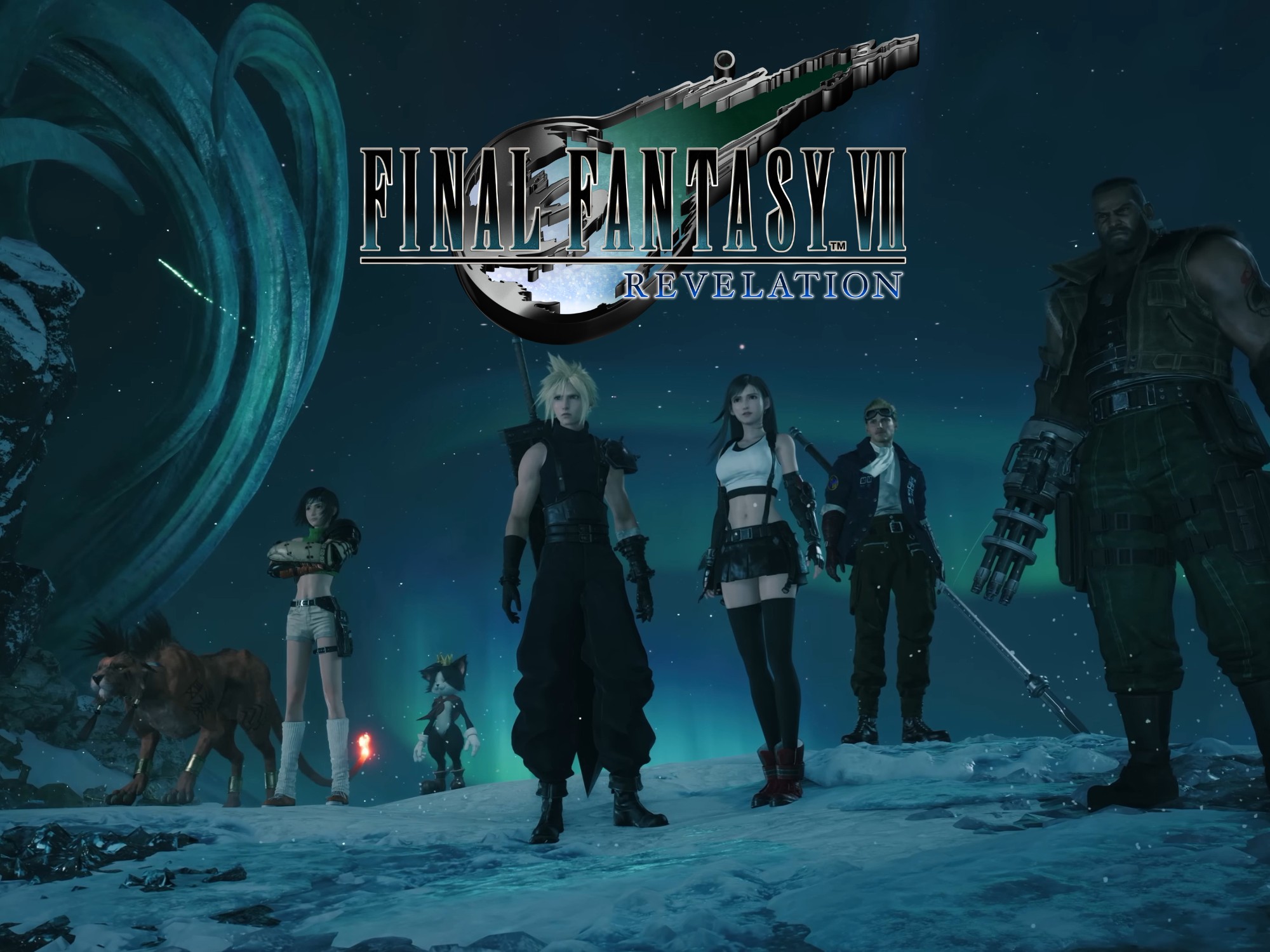
Why this Nintendo 3DS exclusive matters
Guess what? A title that once lived only on the Nintendo 3DS is now being remade, and that matters for retro collectors and new players alike.
![Startup Company [Console Edition] (Limited Edition)](https://s.pacn.ws/1/p/157/startup-company-console-edition-limited-edition-741799.16.jpg?v=ry4mm8&width=400)
![Startup Company [Console Edition]](https://s.pacn.ws/1/p/157/startup-company-console-edition-741779.10.jpg?v=ry4ngq&width=400)
The first time I went to Japan, I saw collectors trading cartridge boxes the size of paperback novels, and that memory came rushing back when the announcement hit. No wonder, because handheld exclusives helped define a generation of gaming culture in Japan and overseas.
Ever wondered why a remake of a niche 3DS game can spark excitement? The 3DS sold over 75 million units worldwide, and exclusives often shaped regional tastes. My verdict: it's a big deal.
Square Enix remaster: what the studio brings
Fact: Square Enix is attached to this remake, which suggests a careful remaster rather than a rushed port. The studio has experience restoring titles, having worked on several HD remasters and remakes in the 2010s and 2020s.
Plot twist: remasters from Square Enix often include updated voice tracks, reworked menus, and graphical overhauls while keeping original narratives intact. Take the company's previous projects, for instance, and you can expect quality and attention to lore.
Technical updates to expect
What most people don't know is that modern remakes usually add widescreen support, higher resolution textures, and optional modern control schemes. By the way, save systems are commonly modernised, which makes older, grind-heavy systems less punishing.
But let's stick with the practical side for now. Players should look for platform targets, whether the remake will be on Nintendo Switch, PC, PlayStation, or a combination. Convinced yet?
Context for Japan fans and nihongo learners
Before I forget, this remake is more than nostalgia; it's a chance to engage with authentic Japanese culture through games. Many 3DS exclusives contained region-specific dialogue, cultural references, and vocabulary that are useful for learners of 日本語 (nihongo, Japanese language).
A great example is that menu labels, item names, and NPC dialogue often repeat core vocabulary that learners can pick up through repetition. My tip: once the remake is out, play with Japanese audio or text if available to practice listening and reading in context.
How to use the remake for language learning
Take daily practice, for instance. Set 20 minutes per session to note down repeated words in ローマ字 (romaji, romanization; Roman letters), then check translations. What I especially like is that games teach colloquial phrases and context in a way textbooks rarely do.
Personally, I think remakes are ideal for learners because updated UI and clearer audio make immersion less frustrating. This is my absolute hidden gem!
Where this fits in Nintendo and Square Enix history
Fact: the Nintendo 3DS era ran from 2011 through the late 2010s with major hardware revisions like the New Nintendo 3DS. Many third-party exclusives stayed on the platform, and a number of those titles never saw ports to Switch.
Guess what? Those orphaned titles now have a second life thanks to publishers revisiting their back catalogue. No wonder fans are hopeful; demand for retro remasters has been strong since 2018.
My verdict is that if Square Enix treats this project like past successful remasters, it could become a model for how Japan-focused games are preserved and taught to new audiences.
Frequently Asked Questions
What game is being remade?
The announcement references a previously Nintendo 3DS-only title being remade by Square Enix. For exact names, check the linked sources below.
Will the remake include Japanese audio or text?
Short answer: the remake will likely support original language options, but the final features will be confirmed by the official release notes.