Why a kimono stop should be on your Kyoto itinerary
Question: when else can you walk through 1,000 鳥居 (torii, shrine gate) gates or down a narrow 町家 (machiya, traditional townhouse) street wearing a 着物 (kimono, traditional robe) and not feel out of place? What most people don't know is that Kyoto is the easiest city in Japan to rent a kimono, with dozens of shops near major stations and tourist hubs. Sounds weird, but it's true. You can book a morning fitting, explore for four to six hours, and return the outfit before dinner, all for roughly 3,000 to 8,000 yen depending on options.



Plot twist: some rentals include professional hair styling for about 2,000 to 4,000 yen extra, and many shops like Vasara and Wargo publish English booking forms. Highly recommended: book online at least one day ahead during high seasons, especially in March and November. Convinced yet?

Top Kyoto neighborhoods and exact photo spots
Did you know that walking routes matter as much as the outfit? Gion is the obvious choice, and the main Hanami-koji street near Yasaka Shrine and Minamiza theatre gives that classic wooden-teahouse backdrop. Wait, there's more.
Gion and Hanami-koji
Fact: Hanami-koji is busiest between 11:00 and 15:00. My tip is to arrive before 9:00 for soft morning light and fewer crowds, or aim for the hour before sunset for golden tones. Sounds good, right?
Arashiyama and the bamboo grove
Anecdote: I once walked the Arashiyama bamboo grove at 7:15, wearing a kimono, and had almost the whole path to myself. Arashiyama works best early because the iconic bamboo grove tends to be packed by 9:30. Don't forget to walk to the Togetsukyo bridge for riverside shots; sunrise photos are magical. Wait, there's more.

Fushimi Inari and the torii tunnels
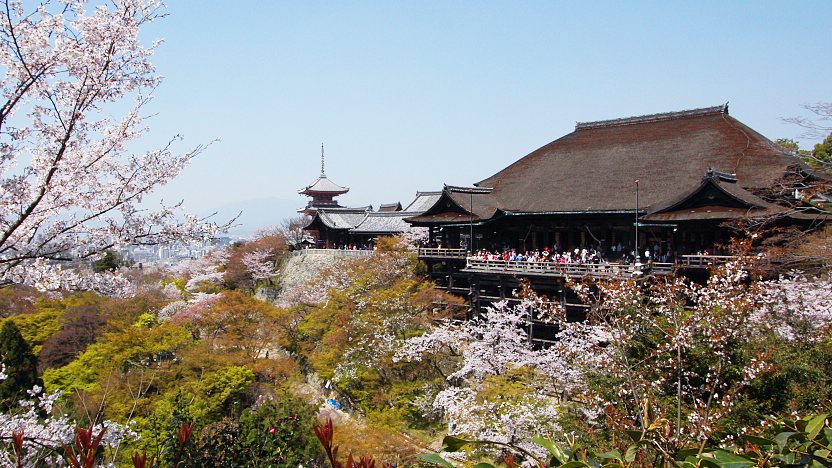
Direct address: if you want the famous endless torii photos, go to Fushimi Inari at dawn, ideally around 5:30 to 6:30 in summer and 6:00 to 7:00 in winter. Kiyomizu-dera has an entrance fee of about 400 yen and gives great vantage points over Higashiyama, but it gets crowded by mid-morning. Convinced yet?



Practical tips for rental, dressing and photography
Unlike what we're used to, kimono dressing isn't a 10-minute affair; it takes 30 to 60 minutes for a standard set and more if you add hair. Here's the catch: choose a shop with a locker or luggage hold if you plan to roam for hours. That way, you can avoid carrying bags while wearing an 帯 (obi, sash).
Booking, pricing and what’s included
Guess what? Basic packages usually include kimono, obi, 足袋 (tabi, split-toe socks) socks and 下駄 (geta, wooden clogs) or 草履 (zori, thonged sandals) sandals. Shops like Vasara show exact prices and package details, and Wargo has evening plans for night photography. Prices vary from 3,000 yen for casual yukata-style sets to 8,000 yen for full komon or furisode style. Sounds good, right?

Hair, makeup and quick etiquette
Before I forget: if you want a traditional updo, book that service in advance; it often sells out. What I especially like is that modest colours and classic patterns photograph better at temples than flashy neon prints. Oh, almost forgot: be careful with geta on wet streets and avoid stepping on shrine thresholds without removing footwear where required. Wait, there's more.
Photography tips and manners
Direct address: if you hire a photographer, agree on a route and timeframe. Expect to pay around 8,000 to 20,000 yen for a one-hour local shoot. Plot twist: many photographers will include smartphone-ready edits, but bring a mirrorless camera if you want higher resolution. Always be polite, don't block paths, and ask permission before photographing locals. Convinced yet?
My tip is to combine a kimono rental with nearby spots to save time and get the best light. For example, Gion plus Kiyomizu-dera, or Arashiyama and the riverside. Highly recommended: bring a small packable umbrella, as kimono fabrics show water stains. Wait, there's more.
more Japan news on jpnerd.comFrequently Asked Questions
Do I need to reserve a kimono in advance?
Yes, especially during peak seasons. Reserve online or by phone at least one day ahead to secure hair styling times.
Can I wear geta on public transport?
You can wear geta on buses and some trains, but they're not ideal for long walks or crowded trains. Bring foldable flats if you have long transfers.