

What Pragmata is, and why it matters
Did you know that Pragmata was first revealed by Capcom in 2020 and has been a slow-burn curiosity ever since? The April 2026 preview piece by The Post Athens gave a first extended look at a playable build, and what stood out was how Capcom balances cinematic worldbuilding with mechanical focus.
![Dragon Ball Z: Kakarot [Master Edition]](https://s.pacn.ws/1/p/1eh/dragon-ball-z-kakarot-master-edition-908785.1.jpg?v=t8ja8t&width=400)


Picture this: a near-future world that feels at once lunar and urban. The trailers show a suited adult and a small girl walking through ruined architecture, while a hovering robot tags along. Sounds cinematic, right?

The central duo: a storytelling engine
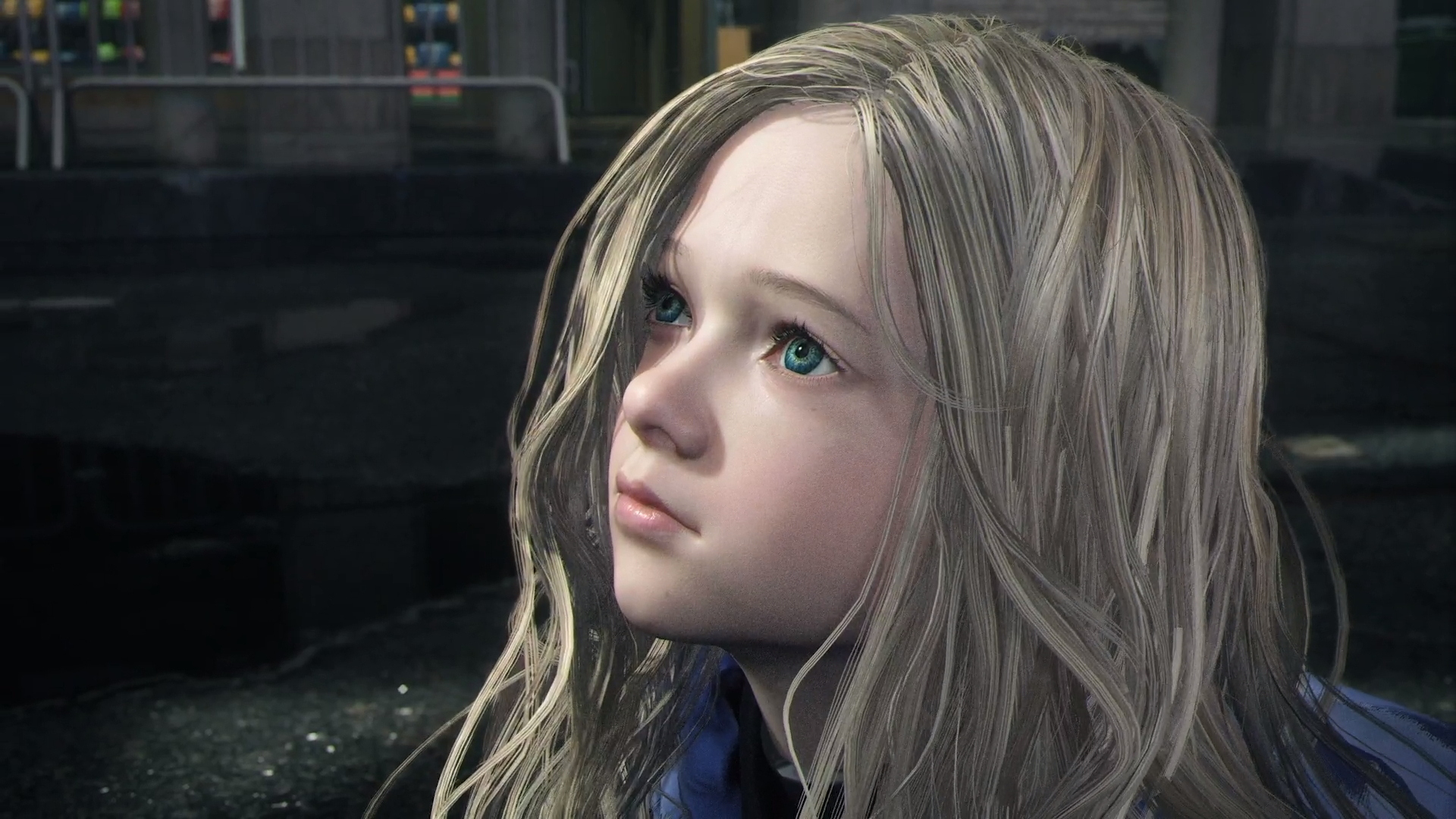
Here's the deal: Pragmata centres on an unlikely partnership, an adult in a protective suit and a child who seems more than she appears. The dynamic drives both cutscenes and gameplay, with the girl often acting as a puzzle key or narrative anchor.
The girl and the suited man
For example, in the preview build, the girl unlocks pathways and interacts with devices the adult can't reach. That creates a two-character flow in levels, so puzzles and combat are woven together rather than sitting in separate silos. What I especially like is that it feels like cooperative level design inside a single-player title.

Combat mechanics up close
No joke, combat is Pragmata's hinge. The preview pushes a shooter-puzzle hybrid where aiming, resource timing, and environmental thinking all matter. Enemy encounters demand quick target prioritisation, and the game rewards precise shots.
Shooting systems
Guess what? The gunplay leans toward methodical shooting rather than spray-and-pray. You get a handful of weapon types in the build, each with distinct recoil and reload rhythms. The quantity of ammo was limited in the preview, so every encounter becomes a small tactical problem.
Puzzle integration in fights
Speaking of which, puzzles show up mid-combat. Environmental hazards, switch puzzles, and destructible cover change how you approach a firefight. Take a locked door, for instance. You might need to split tasks: one character holding enemies at bay while the other solves the mechanism. It keeps pacing unpredictable and tense.

Design choices that feel very Capcom
On a related note, enemy variety and clear hit feedback are textbook Capcom. Enemy telegraphs are readable, and combat animations communicate when to press or pull back. The preview didn't reveal a full skill tree, but progression felt centred on weapon upgrades and gadget utility.
Before I forget, audio and visual cues were often subtle, not loud. That makes exploration feel intimate, a good match for fans of atmospheric Japanese sci-fi like Ghost in the Shell or Shinsekai yori vibes, though Pragmata stays its own course.

Why Japan fans and nihongo learners might care
Picture this: following Pragmata's marketing in Japanese and English can be a great listening exercise. Trailers, interviews, and press releases are perfect for picking up ローマ字 (romaji, Roman letters; romanization) vocabulary tied to tech and story. Insider tip: watch the trailer with subtitles off, then on, and jot down new words in romaji to study later. Highly recommended!
My tip is to use Pragmata materials to practice sentence patterns and technical terms. Compare English write-ups with Japanese press if you want to expand your reading practice while enjoying sci-fi worldbuilding.
Personally, the way the game blends tension, character beats, and deliberate combat makes it worth following, especially if you like both story-rich games and tactical shooters. Convinced yet?
In pictures

Frequently Asked Questions
What platforms is Pragmata coming to?
Capcom announced Pragmata in 2020, but platform and release details weren't finalised in the April 2026 preview. Check Capcom's official channels for confirmation.
Is Pragmata mostly shooter or puzzle?
The game mixes both. The preview shows combat that often includes puzzle elements, so expect a blended shooter-puzzle experience.


