Why Fujinomiya is the perfect Mount Fuji gateway
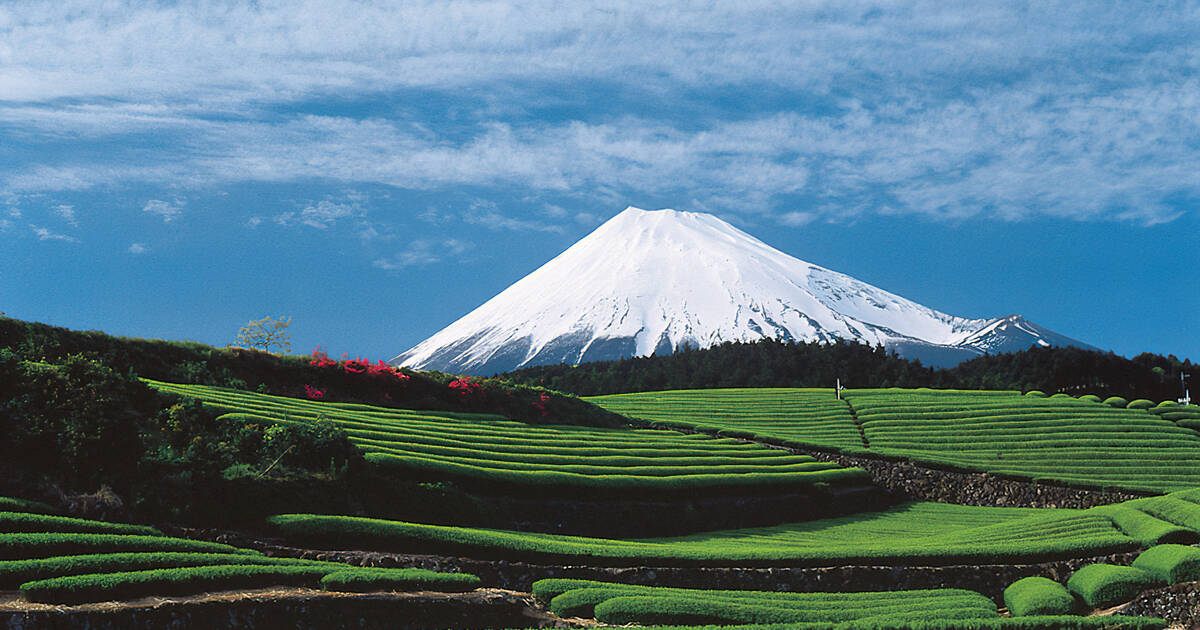
Ever wondered why Fujinomiya draws so many visitors to Mount Fuji? Fujinomiya sits on the southwestern slopes of Fujisan in Shizuoka Prefecture, providing direct access to the Fujinomiya Trail, one of the shortest routes to the summit. That's why locals call it a true gateway, with the Fujinomiya 5th Station sitting at about 2,400 meters above sea level.



Fact: Mount Fuji rises to 3,776 meters, or 12,389 feet, making it Japan's highest peak. On a related note, Fujinomiya also hosts Fujisan Hongu Sengen Taisha, a major shrine dedicated to the mountain, and it's a great place to learn about the spiritual side of Fujisan.

Plot twist: Fujinomiya is less crowded than the Kawaguchiko area during peak climbing season, even though it's closer to more direct ascent routes. My tip? Plan early morning starts from the 5th Station to avoid afternoon weather shifts and crowds. Not bad, right?
Fujinomiya Trail and the 5th Station
Know that feeling when you want the quickest route to a summit? The Fujinomiya Trail covers about 8 kilometres from the 5th Station to the top, and many climbers use it during the official climbing season, typically from early July to early September. Hand on heart, the last few hundred meters are rocky and steep, so bring good boots and headlamps if you're aiming for 御来光 (goraiko, sunrise at the summit), the sunrise at the summit.
Exploring Fuji-Hakone-Izu National Park from Fujinomiya
Question: what exactly does Fuji-Hakone-Izu National Park offer around Fujinomiya? The park, established in 1936, combines coastal scenery, hot springs, and mountain landscapes, with Fujisan at its cultural and natural centre. A great example? The southern and western approaches around Fujinomiya feature lava fields, waterfalls like Shiraito Falls, and views of Suruga Bay.
Unlike what we're used to when thinking only of a mountain, the park covers islands and coastal regions as far as the Izu Peninsula, plus Hakone's caldera lakes. That reminds me, you can pair a Fujisan climb with a soak in an onsen on the Izu or Hakone side, though that requires extra travel, so allow a full day or two. Sounds good, right?
Practical spots in the park near Fujinomiya
A great example? Shiraito Falls is about 20 minutes by car from central Fujinomiya, and it's often cited on travel itineraries for its wide, veil-like cascades. On a related note, the Fuji Visitor Center and Fujinomiya City Museum of History give context on volcanic activity and local culture, which is useful if you're studying regional vocabulary like 山 (yama, mountain) and 御祭神 (gosaijin, enshrined deity) in romaji.
Practical travel tips: getting there, climbing, and culture
Direct address: if you're coming from Tokyo, expect roughly 100 km or about 60 miles to Fujinomiya, so plan around two hours by public transport combinations or 90 to 120 minutes by car depending on traffic. Hand on heart, public transport is efficient but frequently involves a 新幹線 (Shinkansen, bullet train) segment to Shin-Fuji or Shizuoka and then a local bus or train to Fujinomiya station.



Fun fact: Fujisan earned UNESCO World Cultural Heritage status in 2013 for its cultural influence and artistic inspiration. On the flip side, weather changes fast at altitude, so check local mountain forecasts before ascending. My tip? Carry layers, rain gear, and a portable battery for your phone. That reminds me, mountain huts, or 山小屋 (yamagoya, mountain hut) in romaji, operate during the official season but require early bookings.
Plot twist: no special permit is required to climb, but services and huts are seasonal, and emergency responses are harder above the 5th Station. Ever wondered why hikers respect quiet and cleanliness so much? It's part safety, part cultural etiquette, and an excellent opportunity to practice polite Japanese phrases in romaji like ありがとう (arigato, thank you) and すみません (sumimasen, excuse me / sorry) with local staff.
On a related note, Fujinomiya's local cuisine highlights include Fujinomiya 焼きそば (yakisoba, fried noodles), a regional noodle dish known for its firm texture, available near the station and a perfect post-hike meal. Classic Japan, isn't it?
On the flip side, if you're not climbing, still fit in a drive along the Fuji Subaru Line or visit the Fujinomiya Sengen Shrine, then head to a nearby onsen to relax. Wait, there's more.
For language learners, photograph signs, practice romaji readings, and try to order local food using simple phrases. A short vocabulary list in romaji helps, but don't overdo it; practice in context and enjoy conversations with shopkeepers and guides.
But that's not all. more Japan news on jpnerd.com
Frequently Asked Questions
How far is Fujinomiya from Tokyo?
About 100 km or roughly 60 miles, typically around two hours by public transport depending on connections.
When is the official climbing season for Mount Fuji?
Official season usually runs from early July to early September, when mountain services and huts operate.