
Why a half Hakone loop made sense for day 8
Question: ever tried compressing a full sightseeing loop into half a day and still come away happy? No wonder, because Hakone is a compact region, but you can easily waste time if you try to do everything. The reason is simple: spring break crowds and transit schedules force choices, so our vlog focused on a comfortable half loop rather than a marathon.



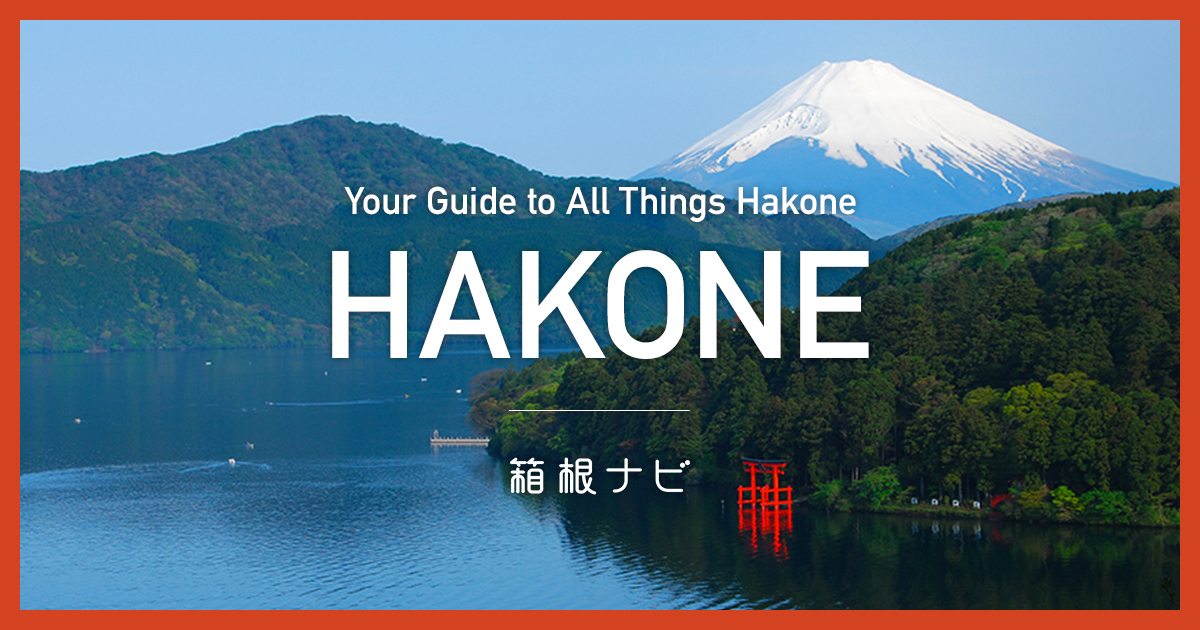
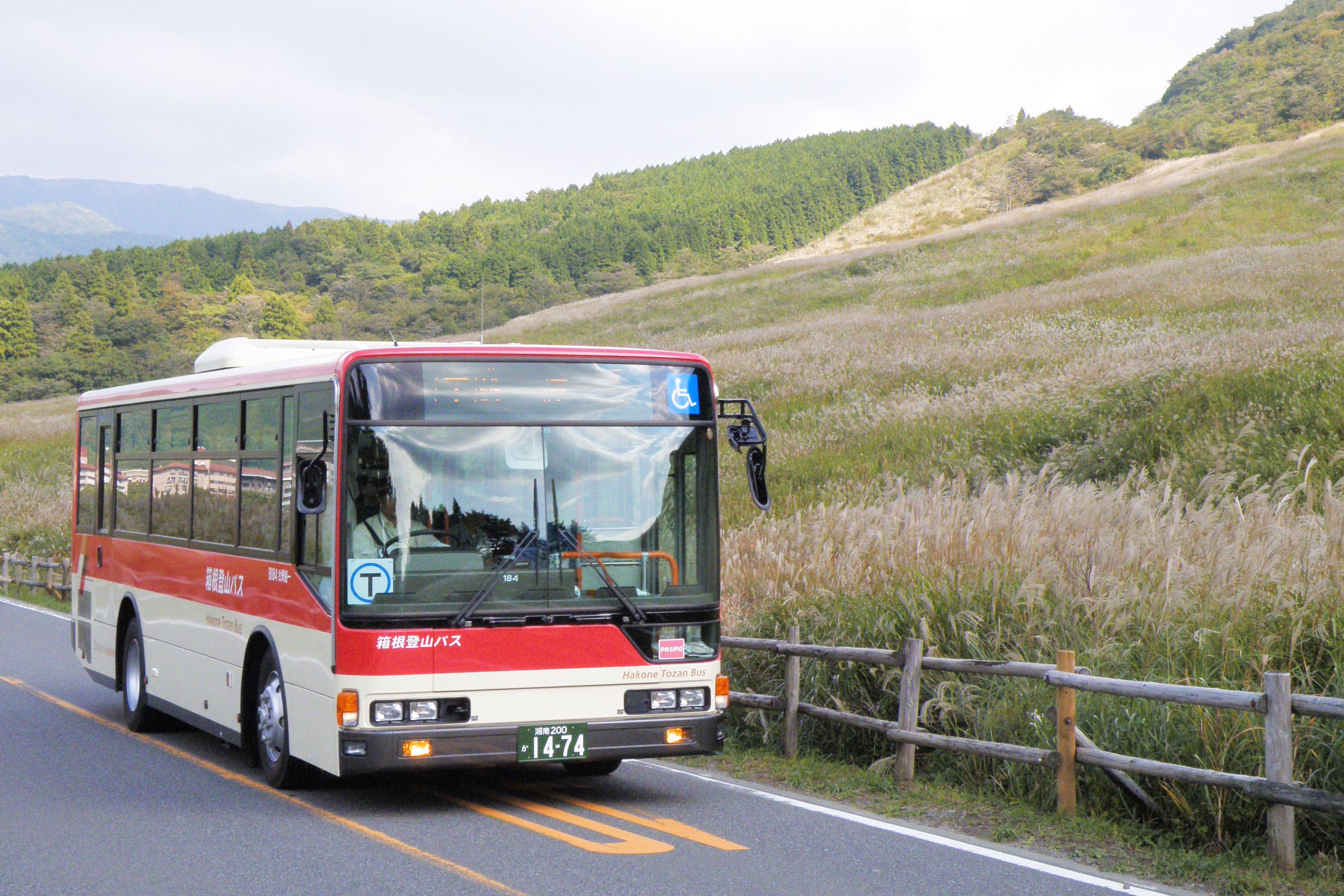
Fun fact: Hakone sits in Kanagawa Prefecture and is famous for onsen, views of Mount Fuji and Lake Ashinoko. For example, the classic route uses Odakyu trains to Hakone-Yumoto, the Hakone Tozan Railway up the mountain, the Hakone Ropeway over Owakudani, and a pirate-ship cruise on Ashinoko. But let's stick with what we actually did for day 8, since this is a creator perspective, not a full travel guide.
Day 8 itinerary, minute by minute
I still remember exactly how slow morning light looks in Hakone, golden and forgiving for vlogs. We left Tokyo around 08:20 on an Odakyu Romancecar and arrived at Hakone-Yumoto in roughly 85 minutes, with tickets prebooked for convenience.
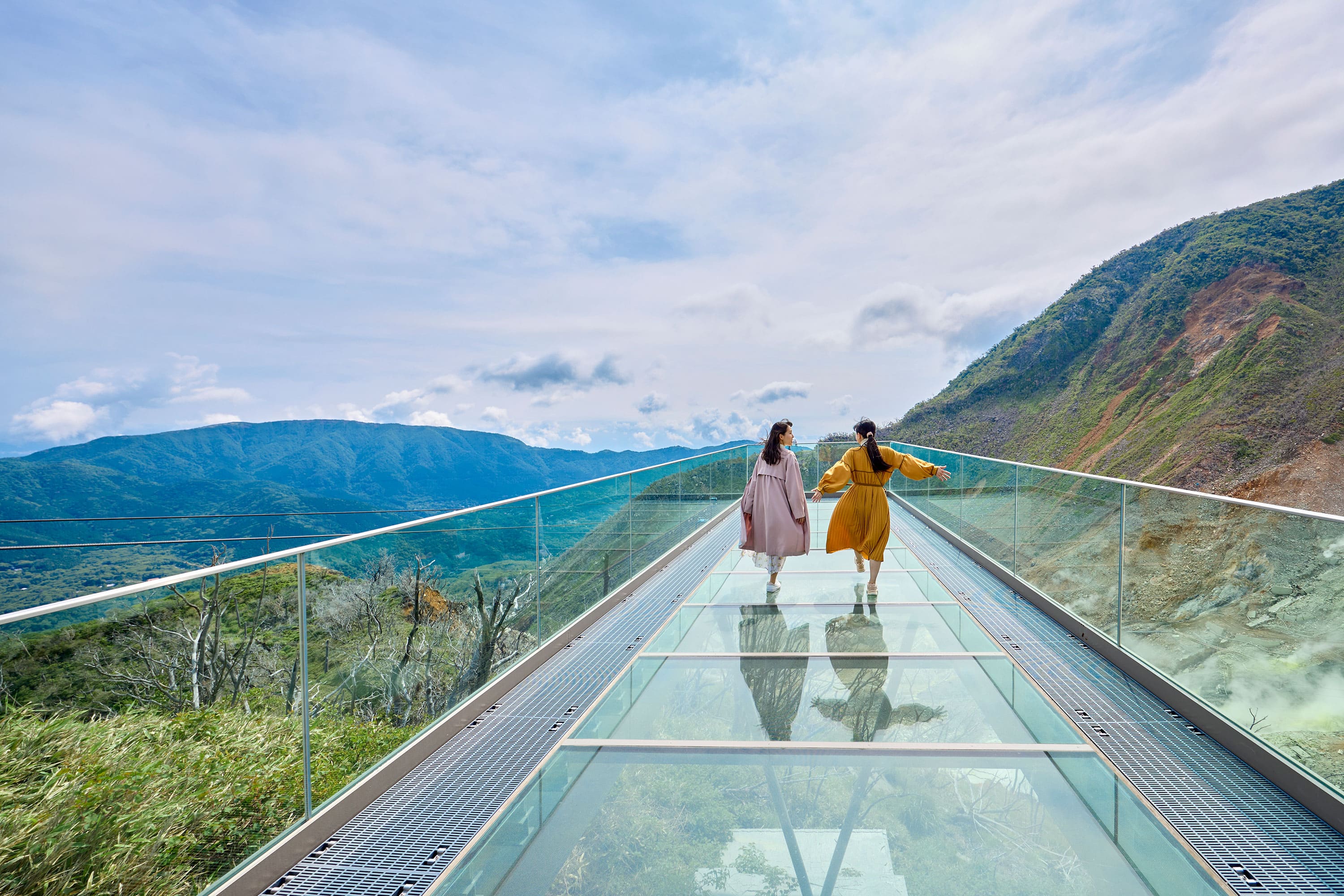
Trust me on this one: with spring break in Japan, starting early is everything. We rode the Hakone Tozan Railway for a few stops, filmed the switchbacks and the mossy streets near Gora, then split off to catch part of the Ropeway. No joke, the Ropeway section we sampled gave dramatic aerial shots, but we skipped the full circle because of time and the crowds at Owakudani.
What I especially like is pacing the loop so you have time for a relaxed lunch at a small cafe near Gora, not rushing from one photo to the next. My tip is to choose one onsen ryokan or public onsen to actually use rather than trying to hop between many baths. From my experience... wait, there's more.
Creator notes: filming, pacing and language practice
Picture this: you have a small mirrorless camera, a pocket gimbal, and two batteries. Seriously though, battery life and storage filled up faster than I expected, because spring light means long golden hours of shooting. Pro tip: swap batteries and offload clips during a quiet lunch, ideally to a compact 1 TB SSD or cloud if you have decent mobile data.
If you're filming and learning Japanese at the same time, use short scripted lines in romaji to practice while you shoot. The reason is simple: short phrases help you remember vocabulary, and they make editing captions easier later. For example, rehearse greeting lines and simple descriptions like "kirei view" or "onsen time" in romaji so you can flip between languages on camera.




Sound and narration
Address your audio first, because mountain wind and tourist chatter ruin a good take. Bring a small shotgun mic or use a lav mic for cleaner speech, and record a few ambient tracks for B-roll. My tip is to narrate a short clip in English and repeat the same thought in romaji to practice pronunciation and to give learners dual-language context.
Editing rhythm for a travel vlog
No wonder viewers like concise edits, because attention spans are short and Hakone scenes are visually rich. Keep clips under 6 seconds for moving shots, hold longer for onsen or lake panoramas, and use maps or on-screen captions to show where you are. From my experience, a tidy 8-10 minute vlog with clear chapter markers works best for travel channels.
Practical transport and cost notes
Fact: the Odakyu Hakone Free Pass (2-day option) remains the easiest way to string together trains, buses, Ropeway and the Ashinoko cruise if you plan two full days. We used single tickets for our half loop and still spent less than a full-day pass thanks to focused routing. See what I mean?

Pro tip: check train times, especially for the Hakone Tozan Railway switchbacks and Ropeway maintenance closures. Spring break in Japan means services run on schedule, but queues at boarding points can add 30 to 60 minutes to your plan on some days.
Final thoughts from a creator on day 8
Direct address: if you're making a family vlog or language-learning content, aim for a half loop like ours when you have limited time. Sounds weird, but it's true, shorter loops let you capture meaningful moments, not just checklists. Wait, there's more.
Insider tip: pair visuals of Ashinoko with a short romaji phrase about the view, and offer a pronunciation challenge for your viewers. It makes the vlog both travel content and a micro language lesson. See what I mean?
In pictures

Frequently Asked Questions
How long does a half Hakone loop take?
A focused half loop, with a few stops and filming time, typically takes 4 to 6 hours including transit and a relaxed lunch.
Is Hakone good during spring break?
Yes, spring break is scenic with sakura changes depending on elevation, but expect crowds and plan early starts.
Can I practice Japanese while vlogging?
Absolutely, short romaji scripts and repeating phrases on camera help both filming and language practice.
Sources
- Original creator reel on Instagram
- Hakone Navi official tourist information
- Odakyu Romancecar information


