Sakura Matsuri: why spring markets matter for food lovers
桜 (Sakura, cherry blossom) 祭り (Matsuri, festival) menu events usually coincide with peak bloom or local cherry blossom celebrations, offering limited-run sweets and teas tied to the season. Cherry trees gifted to Washington DC in 1912 helped inspire many sakura festivals outside Japan, and those festivals often include food stalls and tea tents, so you can taste regional takes on 和菓子 (wagashi, Japanese sweets) and 抹茶 (matcha, powdered green tea).
The timing of sakura season matters because bloom dates affect which sweets appear, and in Tokyo, the main wave commonly peaks in late March to early April depending on the year. But that's not all.
Menu reveal: what a Sakura Matsuri market puts on offer
Guess what? The menu reveal at most sakura markets blends traditional wagashi with modern café items, so you'll see nerikiri shaped like blossoms next to matcha lattes and sakura-flavoured baked goods. Typical price points range from about 400 to 1,500 yen per item at Japanese stalls, and in international Sakura Matsuri events, you'll find similar ranges in local currency, often $4 to $12 for premium items.
I remember my first festival tasting, a tiny nerikiri that looked like a parfait yet tasted like spring itself. Trust me on this one: presentation matters almost as much as flavour at these markets, and vendors often compete with colour and texture.
Let me show you why the reveal matters if you're studying Japanese culture or vocabulary, because menu labels give you real-life practice reading romaji names like sakura-mochi, yokan, and matcha latte. My verdict:
Wagashi highlights you should look for
You might notice a few wagashi standouts at any Sakura Matsuri market, each with specific textures and fillings. Sakura-mochi is sticky rice wrapped in a salted sakura leaf or flavoured with cherry blossom essence, anko means sweet red bean paste, and nerikiri is a smooth, moulded sweet made from white bean paste and sweet rice flour.
No exaggeration: nerikiri craftsmanship can tell you a lot about a maker's skill because tiny details like petal folds and natural colour gradients take hours. By the way, if you want to photograph wagashi for your learning notes, aim for natural light to capture pastel tones accurately. From my experience...
Matcha and green tea stalls at the market
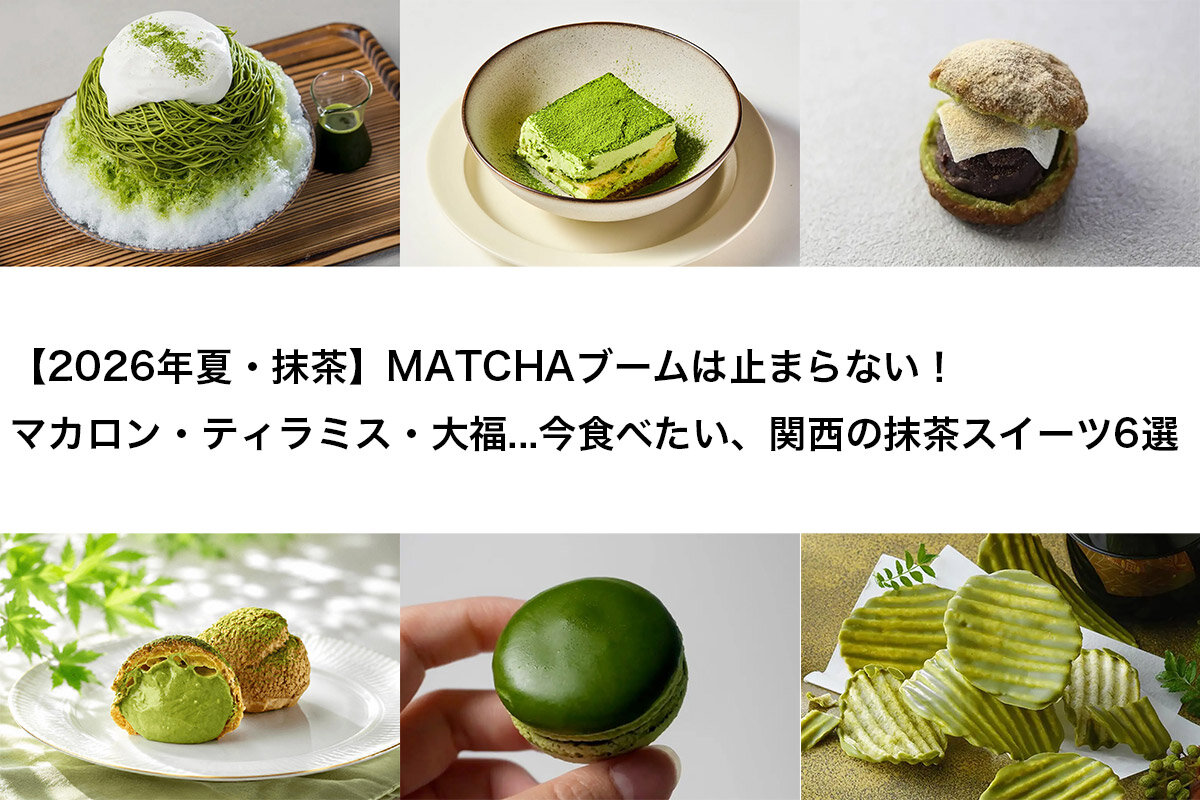
Unlike what we're used to from coffee festivals, matcha setups vary by grade and preparation method, with vendors offering both usucha, a lighter whisked tea, and koicha, a thicker ceremonial version. Many stalls also sell iced matcha, matcha latte, and even matcha soft serve, reflecting global trends that blend Japanese tradition with local tastes.
Before I forget, matcha grades matter. Ceremonial matcha is powdered tea intended for ritual whisking, while culinary matcha is better for lattes and baking. My tip: ask the vendor which grade they use if you want an authentic usucha experience.
Speaking of which, pairing astringent matcha with a sweet wagashi balances flavours in a way that trains your palate, and it gives you great vocabulary practice when you order. From my experience...
Learning through taste: language and culture combined
Quick detour: ordering at a market is one of the fastest ways to practice spoken romaji because stall workers appreciate short, polite phrases, and you get instant feedback. Try pronouncing sakura-mochi, nerikiri, or matcha, and watch faces light up when you get it right.
Trust me on this one: noting ingredient names on menus helps build useful vocabulary for later study, and you can combine that with photos to make flashcards. What I especially like is that vendors sometimes share the history of a sweet, which is perfect for adding cultural context to your language notes.
Where to see Sakura Matsuri menus announced
Guess what? Event organizers usually post menu reveals on official festival sites and social media a few weeks before the market. For example, individual vendors and small brands publish menu details on company blogs and Instagram, while larger festivals run central announcements.
That brings us to sources: if you want the original menu reveal example I reviewed, the Flowering Waters post lists a season-specific lineup with photos and item descriptions. You can also check the National Cherry Blossom Festival site for dates and participating vendors in Washington DC, which often hosts partner markets. But that's not all.
Frequently Asked Questions
What is typically on a Sakura Matsuri menu?
Short answer: seasonal wagashi like sakura-mochi, nerikiri, yokan, plus matcha drinks and modern sakura sweets.
Can I learn Japanese vocabulary at a market?
Short answer: Yes, reading romaji menu labels and ordering aloud is practical language practice.
Sources
- Flowering Waters, Sakura Matsuri Menu Reveal
- National Cherry Blossom Festival
- Japan Guide, Wagashi and Japanese Sweets