Hardware limits that shaped every N64 engine
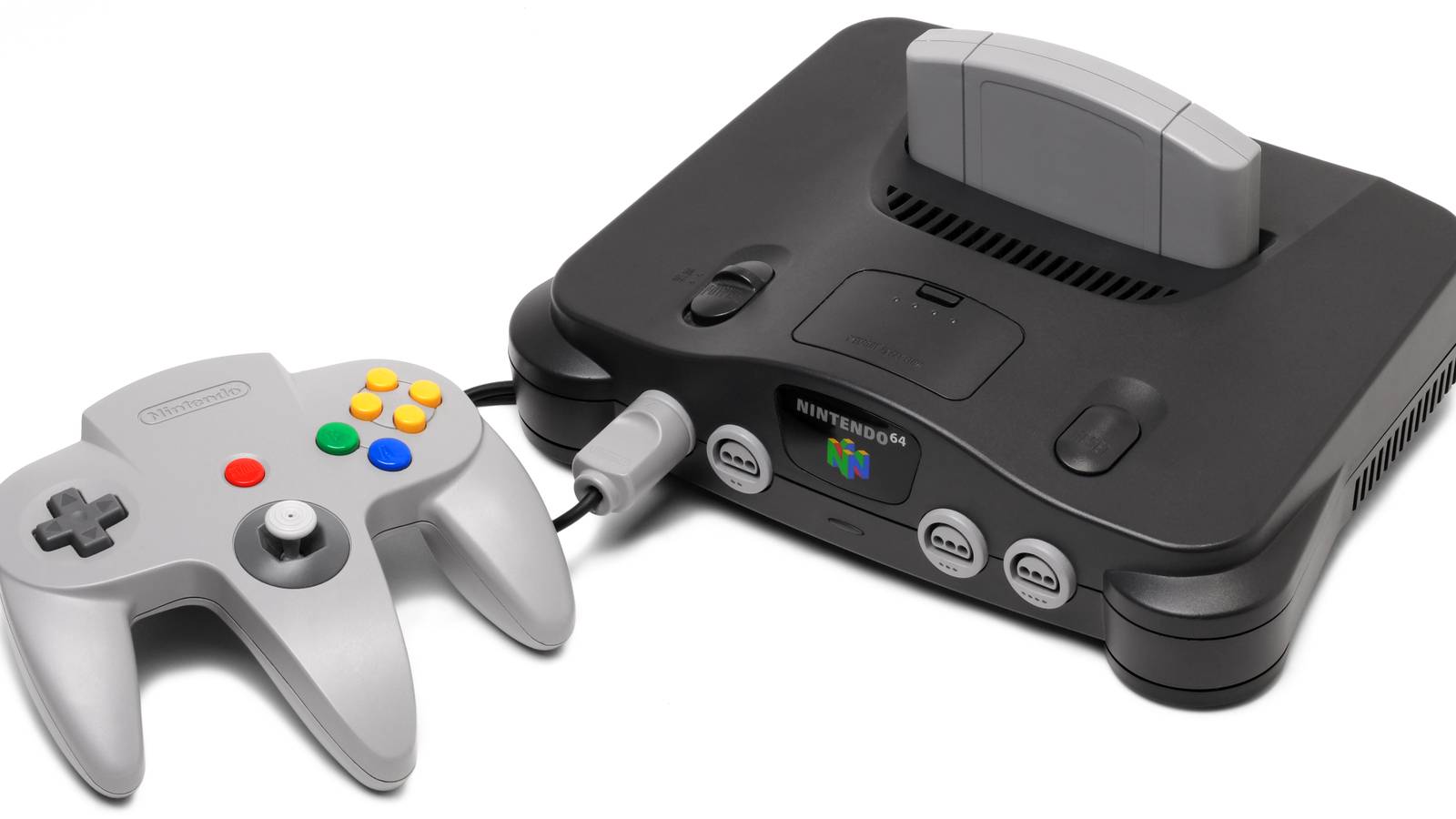
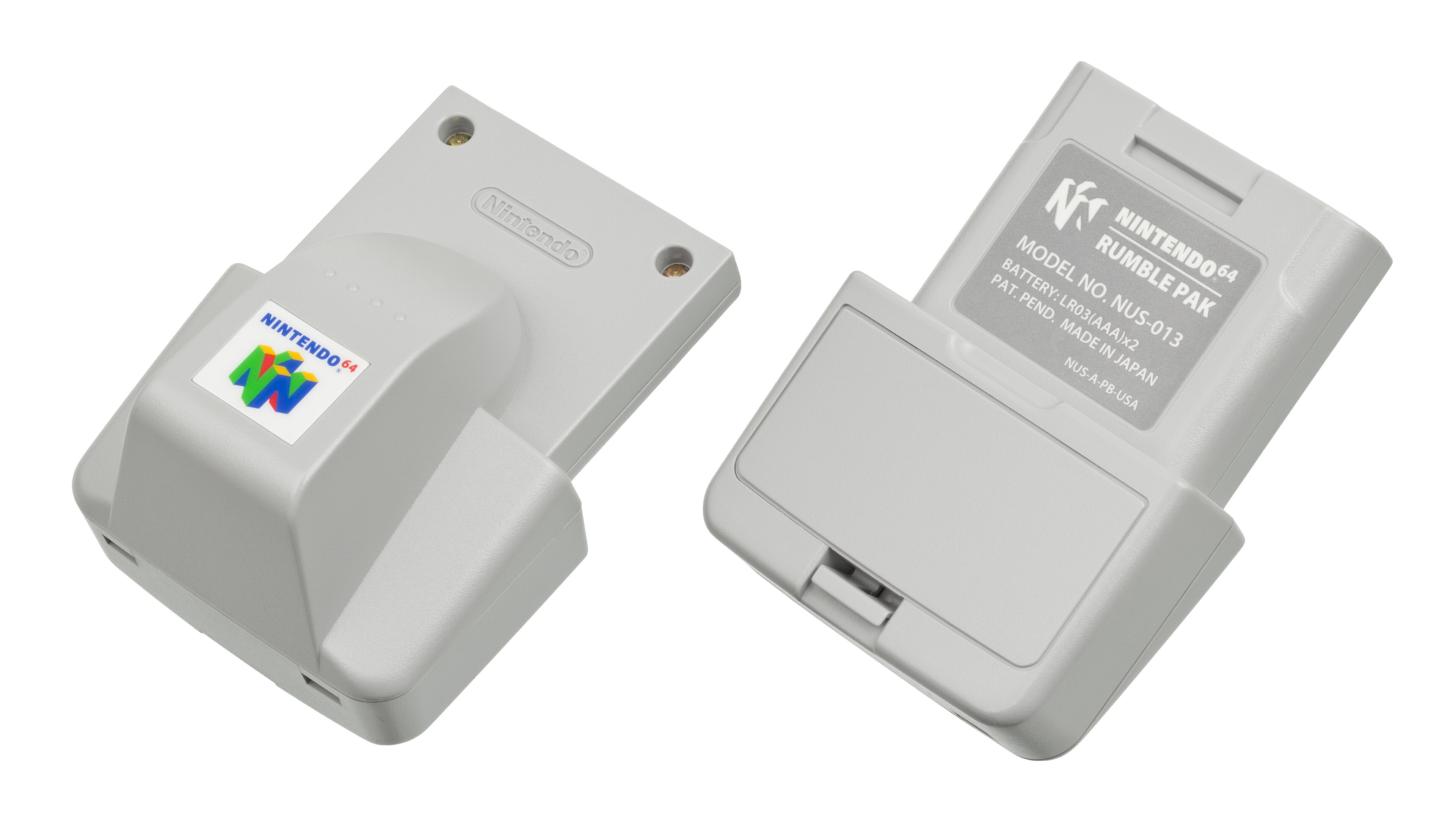
Did you know that the Nintendo 64 used a 93.75 MHz MIPS R4300i CPU and shipped with only 4 MB of RDRAM by default? Those specs forced designers to plan every byte. For comparison, the Expansion Pak added another 4 MB in 1998, which some games like Donkey Kong 64 required to run, but cartridges still capped storage in tens of megabytes, not gigabytes.
![Tennis World Tour 2 [Complete Edition]](https://s.pacn.ws/1/p/11f/tennis-world-tour-2-complete-edition-673815.6.jpg?v=qsiqxt&width=400)

![Startup Company [Console Edition] (Limited Edition)](https://s.pacn.ws/1/p/157/startup-company-console-edition-limited-edition-741799.16.jpg?v=ry4mm8&width=400)
No wonder the console also relied on the Reality Coprocessor and a 62.5 MHz RSP for graphics, so geometry and texture work often moved off the CPU. That offloading was brilliant, but you couldn't just stream massive terrain like on PlayStation games that used CD audio and slower but larger storage. See what I mean?
Why open worlds were so hard on N64
Know that feeling when you're trying to cram an entire city into a tiny suitcase? The N64 was that suitcase. Cartridges gave low latency, sure, but bandwidth and space were limited. Developers had to break worlds into cells and use loading zones, so players felt continuity while the engine shuffled memory behind the scenes.
Loading zones, occlusion and fog
It's early morning in Kyoto. Imagine walking from a peaceful temple courtyard into a busy market, but instead of a smooth flow, a clever cut hides a short load. For example, Ocarina of Time (1998) and Super Mario 64 (1996) used room-based streaming, aggressive occlusion, and distance fog to hide model pop-in and reduce draw calls. Pro tip: fog wasn't just for atmosphere; it was a performance trick.
Memory budgets and streaming tricks
Trust me on this one: budgets ruled. Developers split assets into tiny chunks, prefetching textures and models while the player faced a wall or entered a hallway. For example, a typical level might reserve 1-2 MB for textures, and the rest for game code and audio, so swapping needed careful timing. Hackaday's write-up explains how a modern attempt to write an open-world engine for the N64 models these constraints in code and tests streaming patterns in emulation.
Concrete techniques from retro devs and the Hackaday analysis
Guess what? The Hackaday article at Hackaday walks through experiments in sector streaming and memory pooling. It cites how older Nintendo EAD teams based in Kyoto partitioned worlds and used object instancing to minimise footprint. My tip: read the code snippets and pay close attention to buffer sizes; they reveal real trade-offs.
No wonder developers also leaned on animation simplification, fewer unique textures, and smaller draw distances. For example, Banjo-Kazooie (1998) and Mario 64 used tight culling and reused geometry across levels to make expansive-feeling spaces without a true continuous world. Sounds weird, but it's true.
Emulation and modern experiments
Did you know that hobbyists now try N64 streaming experiments in emulators and testbeds? The community posts on GitHub and on r/emulation show concrete attempts to replicate cartridge throughput and timing. Those projects are educational because they force you to respect the original pipeline, not approximate it.
Why retro and Japan fans will love reading this
Know that feeling when a technical deep dive connects to culture? Many Japanese developers and studios were pioneers on the N64, so this tech story doubles as a peek into Kyoto-based practices. By the way, learning a few technical romaji words like "ラム (ramu, RAM)" or "texture" can make reading original interviews easier when you hunt down primary sources.
Seriously though, if you love Nintendo history, seeing exact numbers, year references and developer tricks is satisfying. From my experience, reading hardware-level documentation makes you appreciate how teams like Nintendo EAD (Kyoto) turned constraints into gameplay choices. Wait, there's more.
Frequently Asked Questions
Why couldn't N64 games stream open worlds like modern consoles?
Short answer: limited RAM (4 MB default), cartridge size limits and lower bandwidth meant continuous streaming wasn't practical.
Did any N64 game try a true open world?
Short answer: No mainstream N64 title had a fully continuous open world. Games used zones, culling and fog to create large-seeming areas.
Sources
- Hackaday: Writing an open world engine for the Nintendo 64
- Nintendo 64 specifications and history, Wikipedia
- Super Mario 64 (1996), Wikipedia
- r/emulation