Texture, Ingredients and Preparation: What actually makes them different
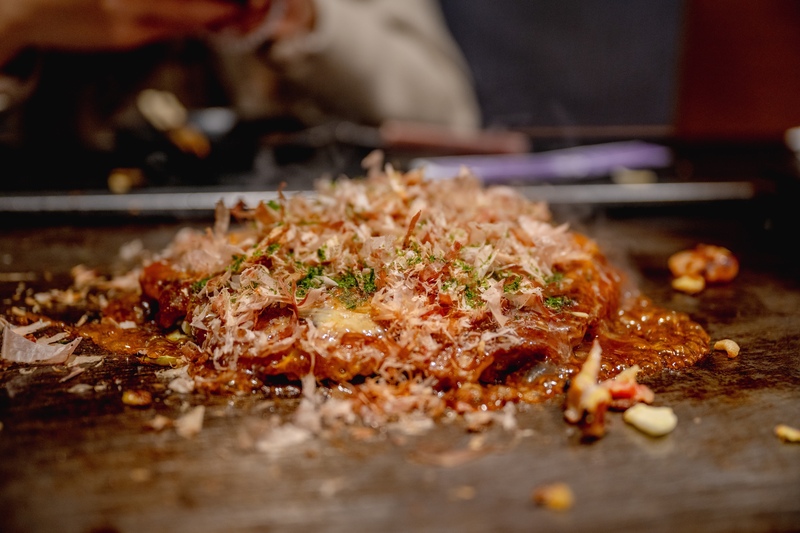
Did you know that the two dishes share the same basic components, flour and cabbage, but end up feeling nothing alike? もんじゃ焼き (Monjayaki, Tokyo-style savoury pancake) ends up runny and almost molten, while お好み焼き (Okonomiyaki, savoury Japanese pancake) becomes a thick, sliceable pancake.



Texture differences
Guess what? Okonomiyaki's batter traps air and steam during a 10 to 15-minute cook on the 鉄板 (teppan, iron griddle / flat grill), producing a fluffy interior you can cut with chopsticks. Monjayaki, by contrast, has a looser batter that cooks quickly into a caramelised, slightly crunchy glaze around a gooey core, usually in 3 to 5 minutes.
Ingredients and batter
Compared to back home pancake mixes, both use 出汁 (dashi, stock / broth) or water with flour, but proportions change everything. Osaka okonomiyaki often mixes shredded cabbage at roughly a 1:1 ratio with batter, plus green onion, pork belly, and 天かす (tenkasu, tempura crumbs) for texture. Hiroshima-style okonomiyaki layers cabbage, noodles, and egg on top of batter, producing a denser dish. Monjayaki uses finely chopped ingredients, sometimes tiny seafood bits or mochi, and a wetter batter so the bits float in a viscous slurry.
Cooking tools and technique
I still remember exactly the first time I ate monja at a Tsukishima counter and watched the staff shape a ring of batter, pour the centre, and scrape it flat with a small metal spatula called a ヘラ (hera, spatula). Quick detour: both dishes are cooked on a hotplate or teppan, but the technique differs. You press okonomi into a patty and let it set, or you spread monja out thin and keep stirring until it gels.
Monjayaki and Okonomiyaki in focus: Tokyo versus Osaka cultures
Know that feeling when you walk down Tsukishima's Monja Street and the air smells of sweet sauce and sizzling cabbage? Tsukishima in Tokyo is famous for monjayaki, and you can find around 60 to 70 monja shops packed into that neighbourhood alone, making it a pilgrimage site for monja fans.
By the way, Osaka's okonomiyaki scene centres around Dotonbori and the Umeda areas, with dozens of long-running shops where okonomi has been a postwar favourite since the 1940s. Hiroshima rivals Osaka with its layered style, especially around the Kamiyacho district, and you frequently see okonomiyaki topped with yakisoba or udon noodles there.
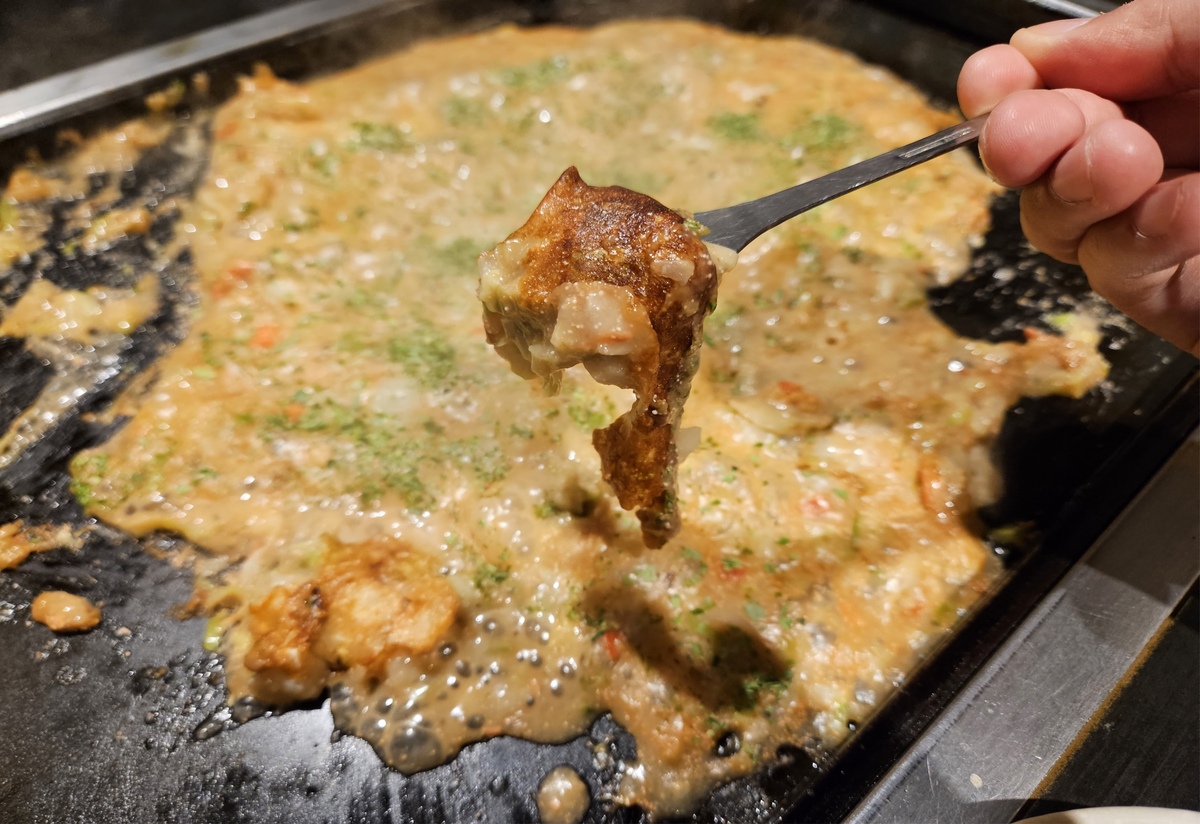



What many overlook is that the condiments matter as much as the cooking. Otafuku sauce, founded in 1922, is a go-to brand for okonomiyaki sauce and gives that sweet, tangy glossy finish. Monjayaki uses a lighter brush of sauce and often ends with small heaps of aonori or katsuobushi for an umami pop. See what I mean?
Guide with ordering and tasting tips
For example, when you enter a monja or okonomi shop, staff will usually offer to cook for you. If you want to try cooking, just ask them to show you; most places are happy to teach. Pro tip: point at a photo and say how many people are in your group. That avoids language mix-ups and gets the right size.
Before I forget, price points are sensible for casual dining. Expect to pay about 700 to 1,200 yen for a basic okonomiyaki in Osaka, while monjayaki with toppings typically ranges from 800 to 1,500 yen, depending on seafood or premium ingredients. Highly recommended: split one dish with a friend; they are meant to be shared.
My tip is to try a simple pork okonomiyaki first in Osaka to learn the flavour profile, then move to a seafood monja in Tsukishima to appreciate the contrast in texture and sauce balance. What I especially like is scraping hot monja off the teppan with the small hera and eating it directly from the metal spoon. It's intimate dining, classic Japan, isn't it? Wait, there's more.
In pictures
Frequently Asked Questions
Are monjayaki and okonomiyaki the same thing?
No. They share ingredients but differ in batter consistency, cooking method, and texture. Monjayaki is runny and eaten with a small spatula, while okonomiyaki is a thick pancake you slice.
Where should I try each one?
Try monjayaki in Tsukishima, Tokyo, where many specialised shops cluster. Try okonomiyaki in Osaka's Dotonbori or Hiroshima for the layered style.