What I especially like is how this part of Hokkaido asks you to pay attention to texture: the wind off the Pacific, the lumpy outline of the mountains, the long distances between settlements, the way a drive can shift from green fields to rough coast in a matter of kilometres. If you’re learning Japanese, this is also useful terrain for place-name vocabulary and travel language that comes up again and again in real life.
Hidaka Sanmyaku Erimo Tokachi, and why this route matters
Hidaka 山脈 (Sanmyaku, mountain range) Erimo Tokachi isn’t a single compact sight, it’s a broad travel zone built around southern Hokkaido’s Hidaka Mountains, the Erimo area on the Pacific coast, and the Tokachi side of the island. The official Visit Hokkaido feature presents it as a region to move through, not just look at. That matters. This is the kind of place where the road itself becomes part of the point, because the distances are real and the landscape keeps changing under your feet.
To be fair, Hokkaido always does scale well, but this corner has its own mood. Compared with back home, the land feels more exposed, more open, and more willing to show you weather as a physical thing. You get pasture, mountain spine, and coast in one sweep, and the body notices. That’s the whole game here. Not spectacle. Attention. From my experience...
For Japanese learners, the place names are useful too. Hidaka, erimo, tokachi, 山 (yama, mountain), 海 (umi, sea), 風 (kaze, wind). Short words, easy to say, and they anchor the geography in memory better than a map alone. If you’re the sort of person who learns best by route, not by flashcards, this is your terrain. Wait, there’s more.
What the Visit Hokkaido update is really pointing you toward
Did you know that the official feature is less about a single attraction and more about a way of linking areas that often get treated separately? That’s the quiet strength of the update. It gives you a reason to string together mountain scenery, roadside stops, local food, and a coast that feels properly distant from the usual tourist loop. In a place like this, the itinerary is the point. The body understands that before the mind does.
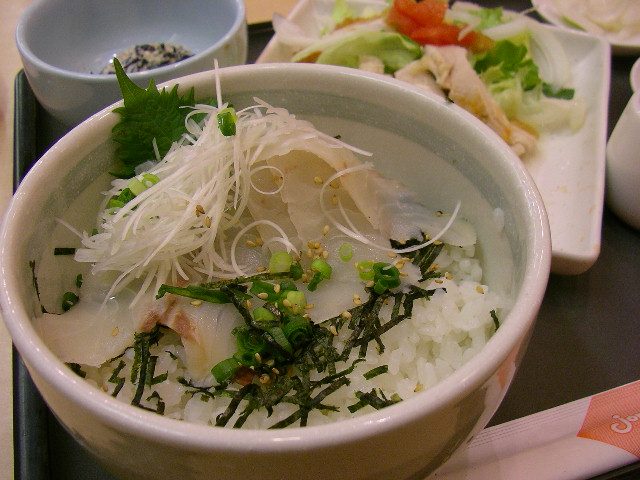
Hand on heart, this is where slow travel makes sense. If you’re crossing Hidaka Sanmyaku Erimo Tokachi by car or bus, the value is in the transitions, the long views, and the little breaks where you stop because the landscape has changed enough to deserve a pause. That’s also why this area works so well for people who like Japanese road trips without the performative side of them. Just roads, weather, and the occasional warm bowl of something simple. My tip: keep your plans loose enough to let the route breathe.

What to look for on the ground
The best part is that the region gives you variety without forcing you into a rush. Mountain passes, open farming country, coastal air, and small-town stops create a strong sense of movement. If you’re mapping out a Hokkaido trip, this is the sort of region that can connect better-known destinations and make the whole drive feel less like transit and more like a line drawn through living country.
Let’s be honest, this is also where luggage discipline matters. Wear the lightest shoes possible. Minimise load. Hokkaido distances can look polite on a screen and then turn lumpy once you’re actually on the road. That’s not a complaint, just a fact. The land has its own opinion about time. Sounds weird, but it’s true. From my experience...
Why this corner of Hokkaido suits language learners
Here’s the thing: travel writing about Japan is often full of big names and soft-focus scenery, but learners usually need ordinary nouns, route logic, and repeatable vocabulary. Hidaka Sanmyaku Erimo Tokachi gives you all three. You get words for mountain ranges, coastlines, local stations, food, and direction, and you can practise them in a context that actually sticks. Kaze no 強い (tsuyoi, strong) 日 (hi, day), umi no chi, yama no 道 (michi, road; path). The phrases are plain, which is exactly why they matter.
By the way, this region also encourages the kind of reading that helps you sound less textbook-like when you speak. If you read a few official travel pages in English and then note the romaji equivalents for the places, you start seeing patterns. Tokachi is a plain. Erimo is a cape. Hidaka is a mountain range. The grammar is simple, but the spatial understanding is not. That’s the good stuff. More soon.
What most people don’t know: Japanese travel vocabulary often becomes easier when you attach it to a specific route rather than to a theme. Instead of memorising random words for sea, mountain, and town, learn them along a line of travel. You’ll remember them because you can picture the road, the weather, and the pace. That’s how place-based Japanese learning earns its keep. My verdict:
Frequently Asked Questions
What is Hidaka Sanmyaku Erimo Tokachi?
It is a travel region in Hokkaido that combines the Hidaka Mountains, the Erimo coast area, and the Tokachi side of the island.
Why should Japan fans care about this area?
Because it offers a strong mix of mountain, coast, and rural Hokkaido scenery, with a route-friendly shape that suits slow travel.
Is this useful for Japanese learners?
Yes. The area is full of practical place names and travel vocabulary that are easy to connect to real geography.