Mount Fuji: Beyond the Summit
Did you know that Mount 富士 (Fuji, Mount Fuji) stands at 3,776 metres and is Japan's highest peak, visible from as far as Tokyo on very clear days? While the iconic Fuji cone draws climbers for the official climbing season, from July to early September, there's more to the mountain than the ascent.



The first time I went to Japan, I chased that perfect Fuji photo and learned fast that timing matters, especially for sunrise and cloud cover. Quick detour: head to the Chureito Pagoda in Fujiyoshida for the textbook view. It's a 10 to 15-minute walk from Shimoyoshida Station on the Fujikyuko Line. Sounds good, right?
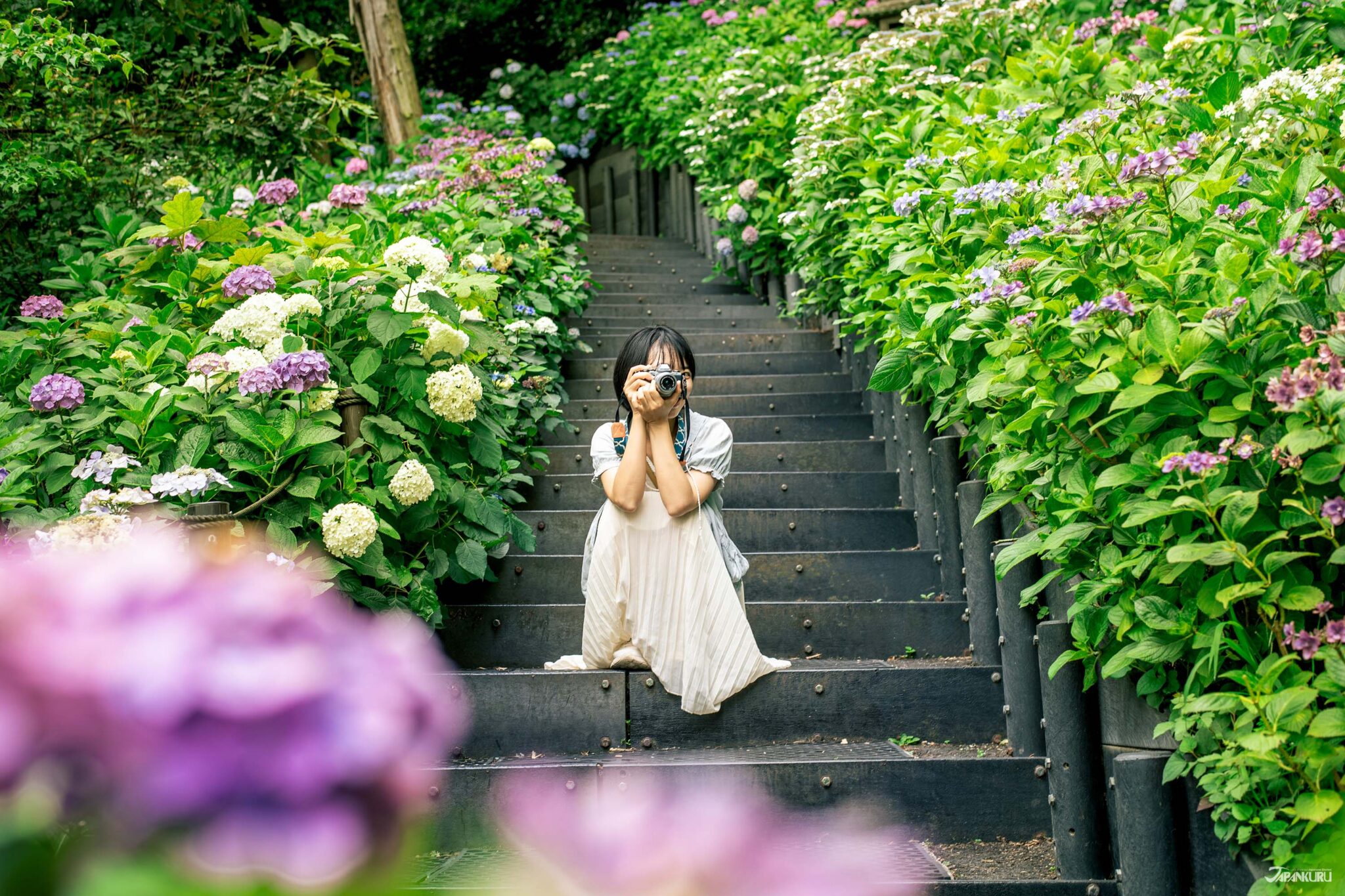
Guess what? You don't have to summit to feel close to Fuji. The Fuji Five Lakes area, known as 富士五湖 (Fujigoko, Fuji Five Lakes), offers lakes Kawaguchi, Yamanaka, Sai, Shoji and Motosu, all with shoreline viewpoints and boat rentals. Speaking of which, 忍野八海 (Oshino Hakkai, Oshino Eight Ponds), a set of spring-fed ponds, shows volcanic groundwater clarity and makes for a relaxed half-day trip. Personally, I prefer the lakeside ryokan stays; you get onsen access and quiet views. Classic Japan, isn't it?
Hakone: Lakes, Onsen and Art
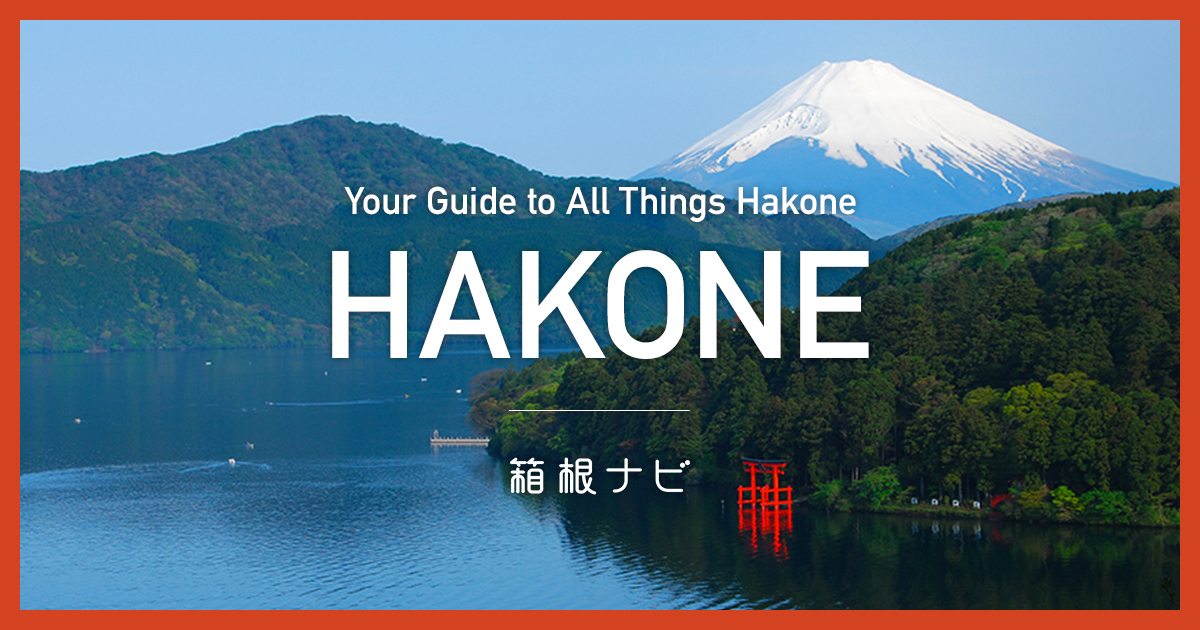
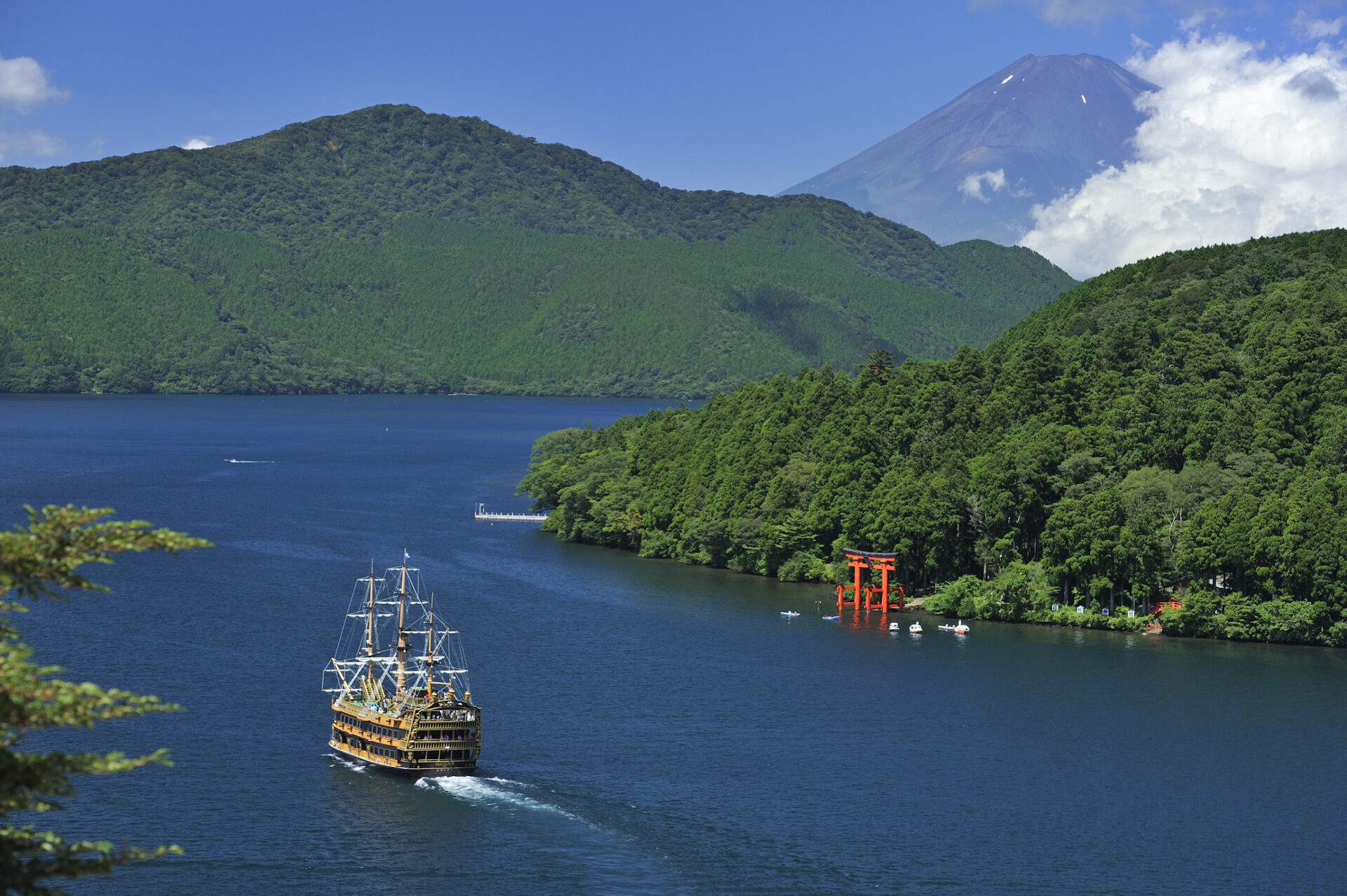
Here's the thing: 箱根 (Hakone, Hakone) sits in Kanagawa Prefecture inside Fuji-Hakone-Izu National Park, about 80 kilometres west of central Tokyo, and it mixes natural drama with man-made delights. No exaggeration: Hakone's Lake Ashi, or 芦ノ湖 (Ashinoko, Lake Ashi), gives one of the most cinematic reflections of Mount Fuji when the wind cooperates.
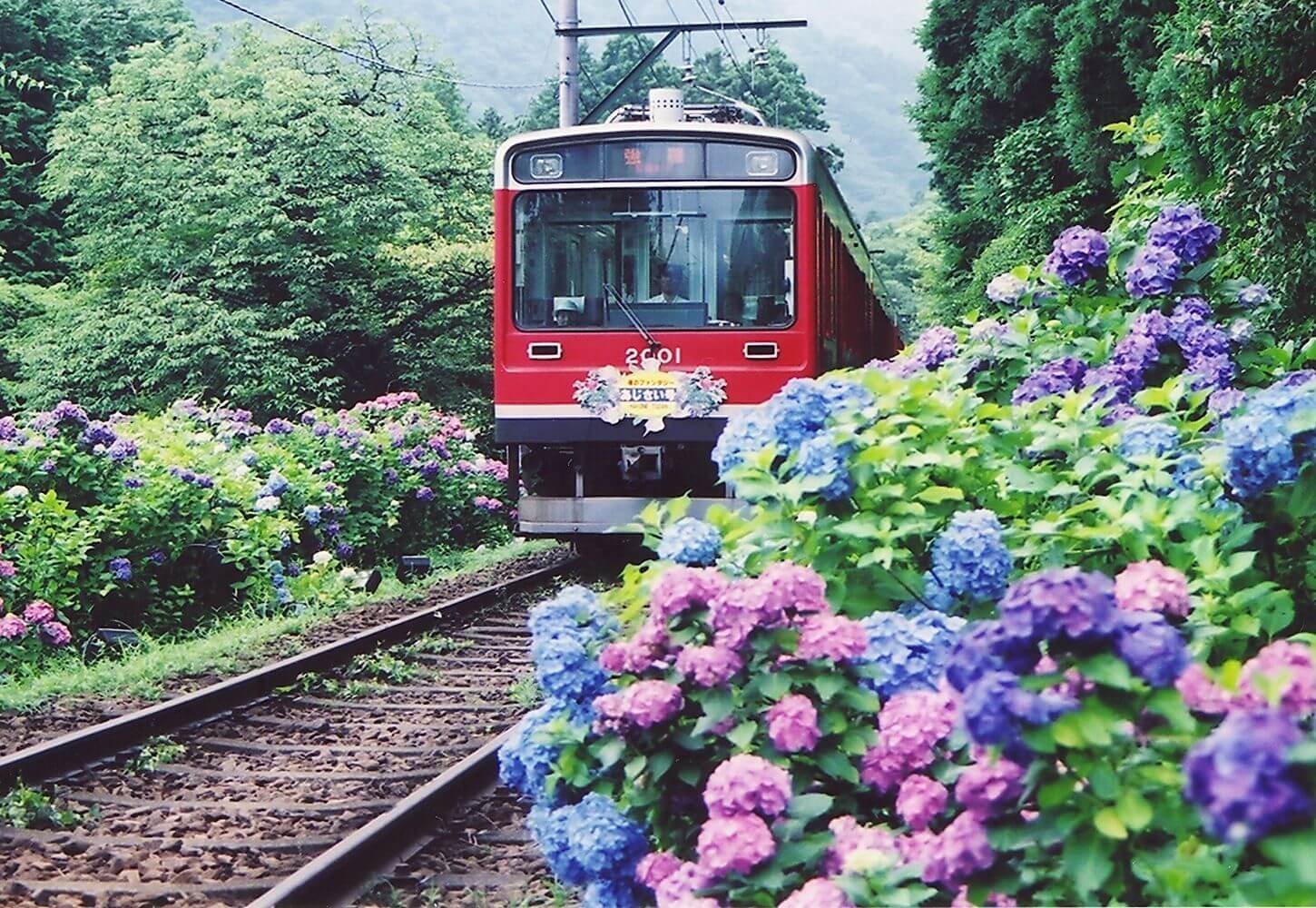
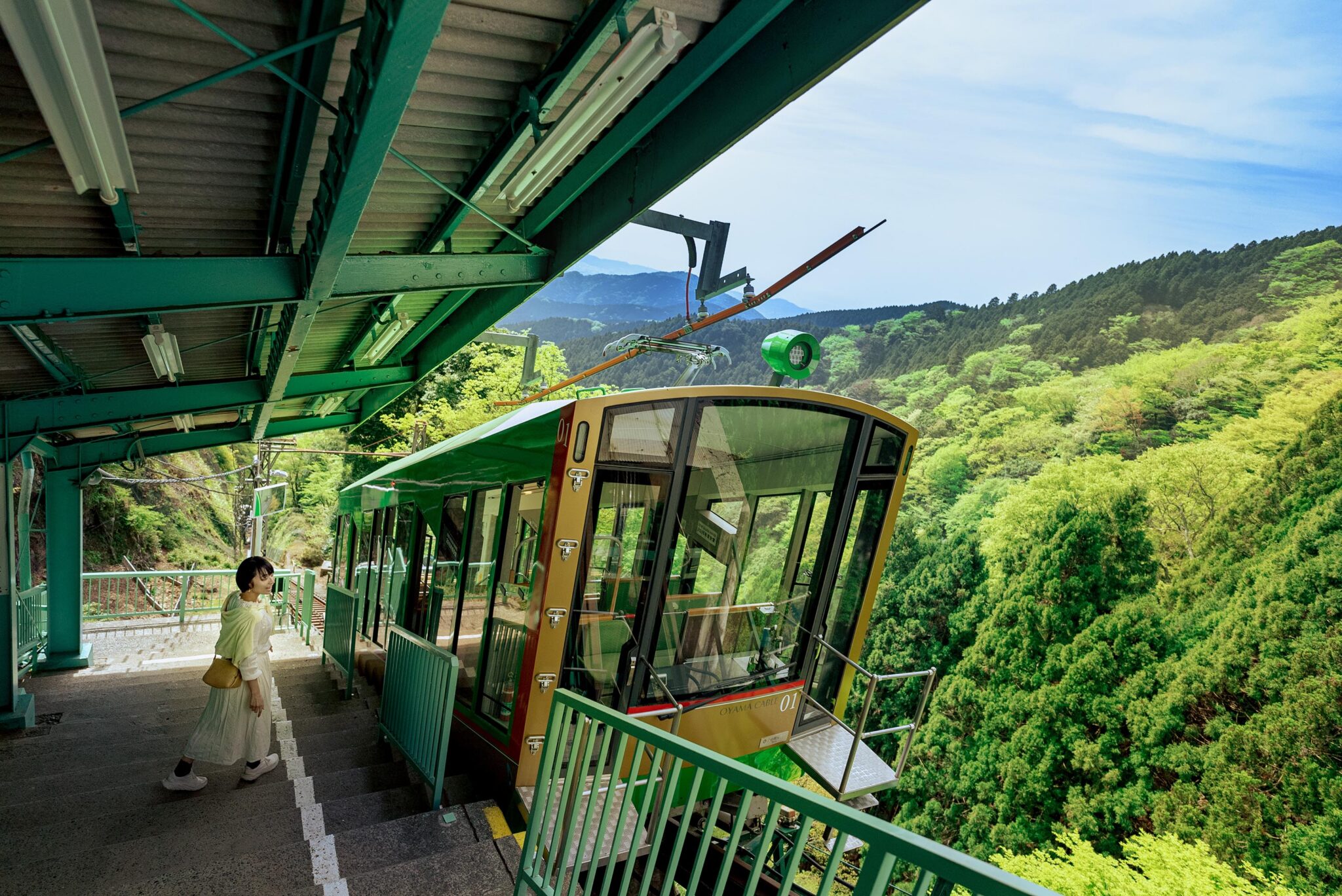
The first time I explored Hakone, I took the Hakone Tozan Railway, famous for its switchbacks between Odawara and Hakone-Yumoto. I remember the train slowing on steep curves so everyone could enjoy the mountain scenery. On a related note, the Hakone Open-Air Museum, founded in 1969, pairs sculpture with gardens and is a brilliant rainy-day option. What I especially like is that visiting the museum early lets you enjoy pieces by Picasso and modern sculptors before the crowds arrive.
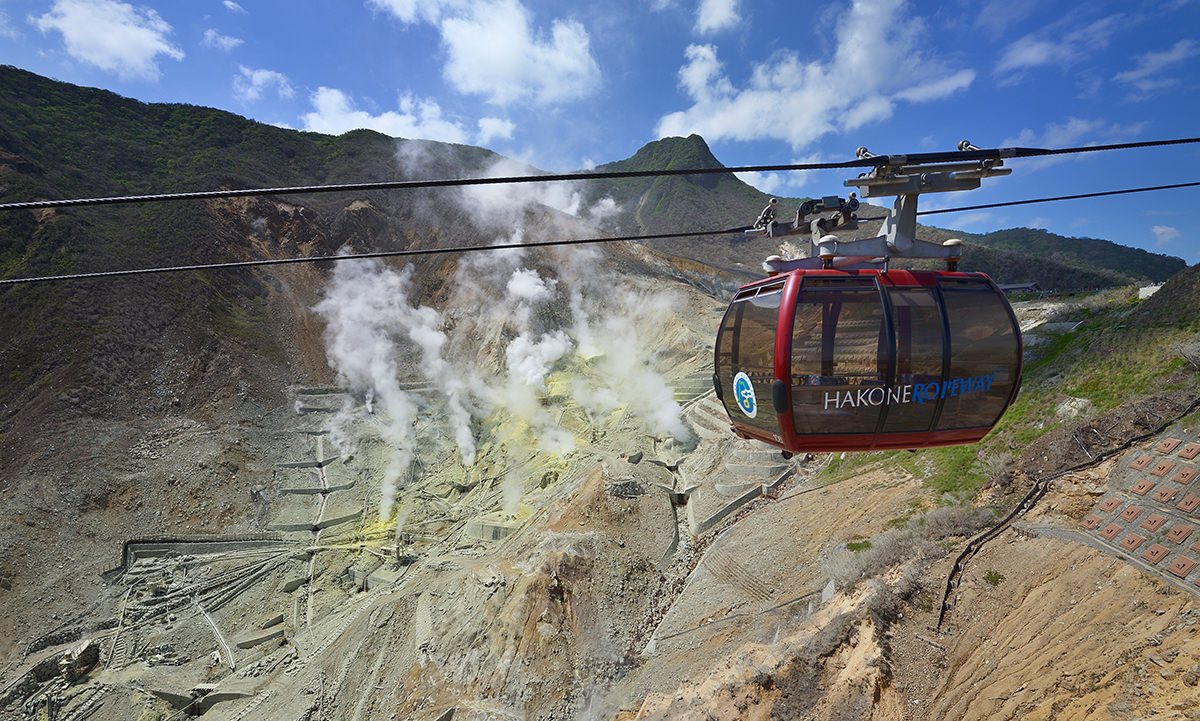
Did you know that Lake Ashi has a sightseeing cruise run by Hakone Sightseeing Boat that uses pirate-ship style vessels and takes about 30 minutes across the lake? While we're at it, try the Hakone Ropeway from Togendai over the volcanic valley 大涌谷 (Owakudani, Great Boiling Valley) for sulphur views and steamed black eggs as a quirky local treat. Sounds good, right?
Plan Like a Travel and Cruise Specialist
Want to keep logistics simple and efficient? Start at Shinjuku, Tokyo, and take the Odakyu Romancecar to Hakone-Yumoto. The limited express cuts travel time to roughly 85 minutes and drops you in the heart of Hakone access. Speaking of which, combining Hakone with a Fuji viewpoint is easiest from the Fuji Five Lakes side or from the Hakone-Togendai area on Lake Ashi, depending on weather forecasts that morning.



Train, Bus and Passes
The first time I relied on the Hakone Free Pass, I appreciated that it bundles Odakyu, local buses, the ropeway, the pirate ship cruise and Hakone Tozan Railway into a single ticket, making multiple transfers painless. My tip? Buy the pass at Odakyu Sightseeing Service Center in Shinjuku for convenience. Personally, I always check real-time train status on JR and Odakyu web pages before departure.
Lake Cruises and Scenic Ropeways
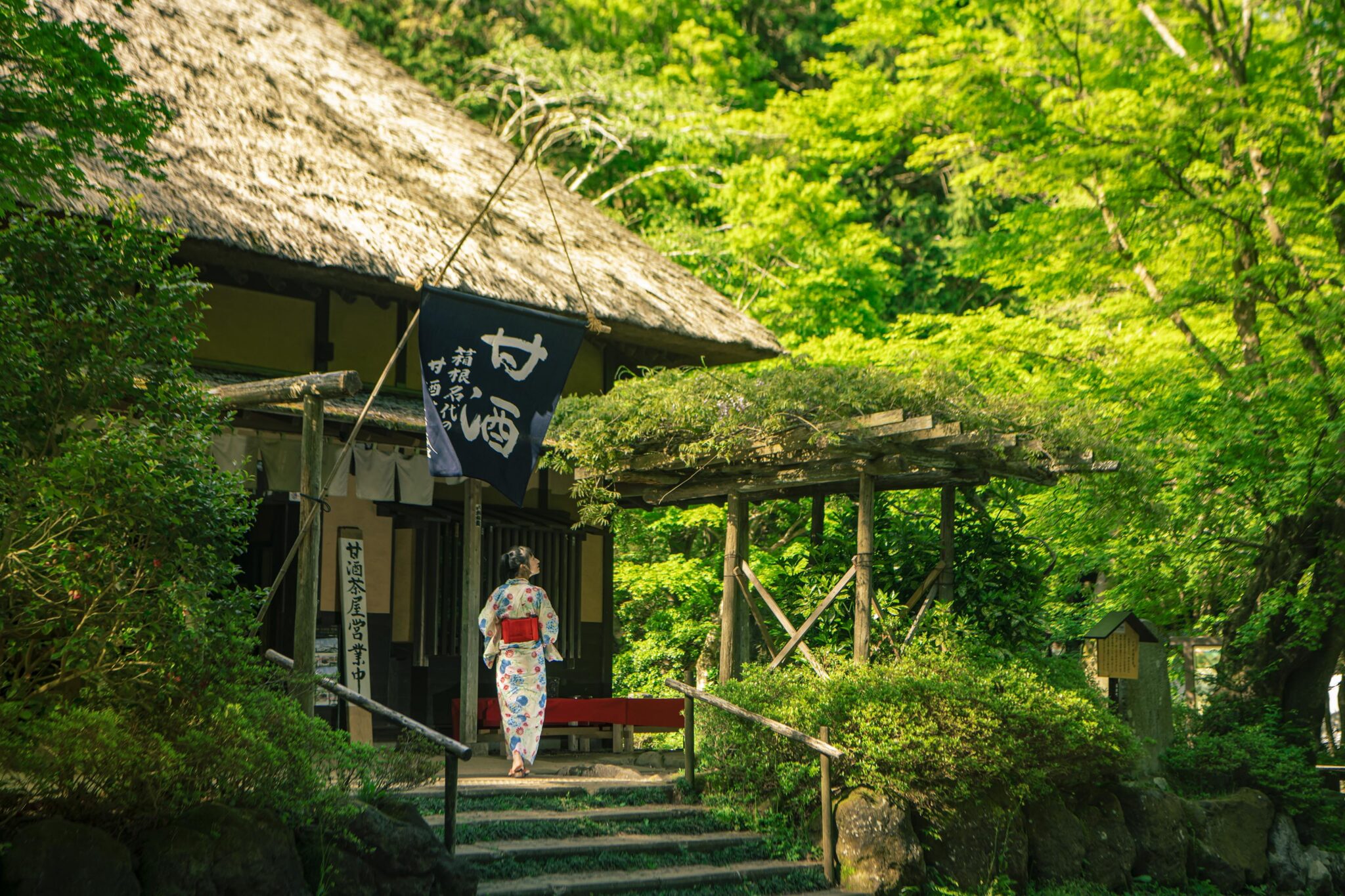
Did you know that the Hakone Sightseeing Cruise links Togendai and Moto-Hakone with 30-minute crossings, giving you different angles on the Owakudani steam vents and the torii at Hakone Shrine? Quick detour: combine a ropeway ride with a short hike to Motohakone for peaceful lakeside shrines and tea shops where matcha soft-serve is a common treat.
When to Go and What to Pack
Guess what? The best window for Fuji visibility tends to be in late autumn and early winter mornings, when the air is crisp and the sky clear, while the official Fuji climb season remains from July to early September. On a related note, Hakone's onsen scene is open year-round, but weekends get busy during cherry blossom and autumn foliage peaks.
Here's the thing: pack layered clothing for rapid weather shifts, a light waterproof jacket and proper shoes if you plan any hiking. My tip? Carry a compact translation app and a pocket phrasebook with basic romaji like arigato, sumimasen and onegaishimasu to smooth small interactions. This is especially helpful while checking into ryokan or ordering food. See what I mean?
Speaking of which, if you're booking a sightseeing cruise with a travel agent, ask about private charter options for photography groups. Small cruise companies sometimes accommodate specialised schedules. Personally, I love arranging an early morning cruise to catch Fuji reflected on Lake Ashi. Simply brilliant.
Oh, almost forgot: if you're researching itineraries, this Aeria Voyages post is a solid read for route ideas and photos. Not bad, right?
more Japan news on jpnerd.comIn pictures
Frequently Asked Questions
Do I need to climb Mount Fuji to enjoy it?
No, you can enjoy excellent views from Fujigoko lakes, Chureito Pagoda and Hakone without climbing. Many visitors prefer viewing and photography options instead of the ascent.
How do I combine Hakone and Fuji in one trip?
Use Odakyu Romancecar to Hakone, spend a day on Lake Ashi and the ropeway, then head to Kawaguchiko or Togendai for Fuji viewpoints, depending on weather.