

Pragmata's Times Square is a set piece, not a postcard
Picture this: a hulking advertising screen, fog rolling down a street of shattered glass, and a lone figure looking up as a robot floats by. Pragmata's opening sections stage Times Square like a movie set, full of deliberate composition and uncanny lighting. Take the trailers, for instance; Capcom's official reveal and the 2023 gameplay teasers show locations that feel familiar, but they're arranged so they read as signs of a future city rather than a faithful recreation.
![Dragon Ball Z: Kakarot [Master Edition]](https://s.pacn.ws/1/p/1eh/dragon-ball-z-kakarot-master-edition-908785.1.jpg?v=t8ja8t&width=400)


Speaking of which, if you want to watch the trailers yourself, check out Capcom's Pragmata announcement on YouTube. Convinced yet?
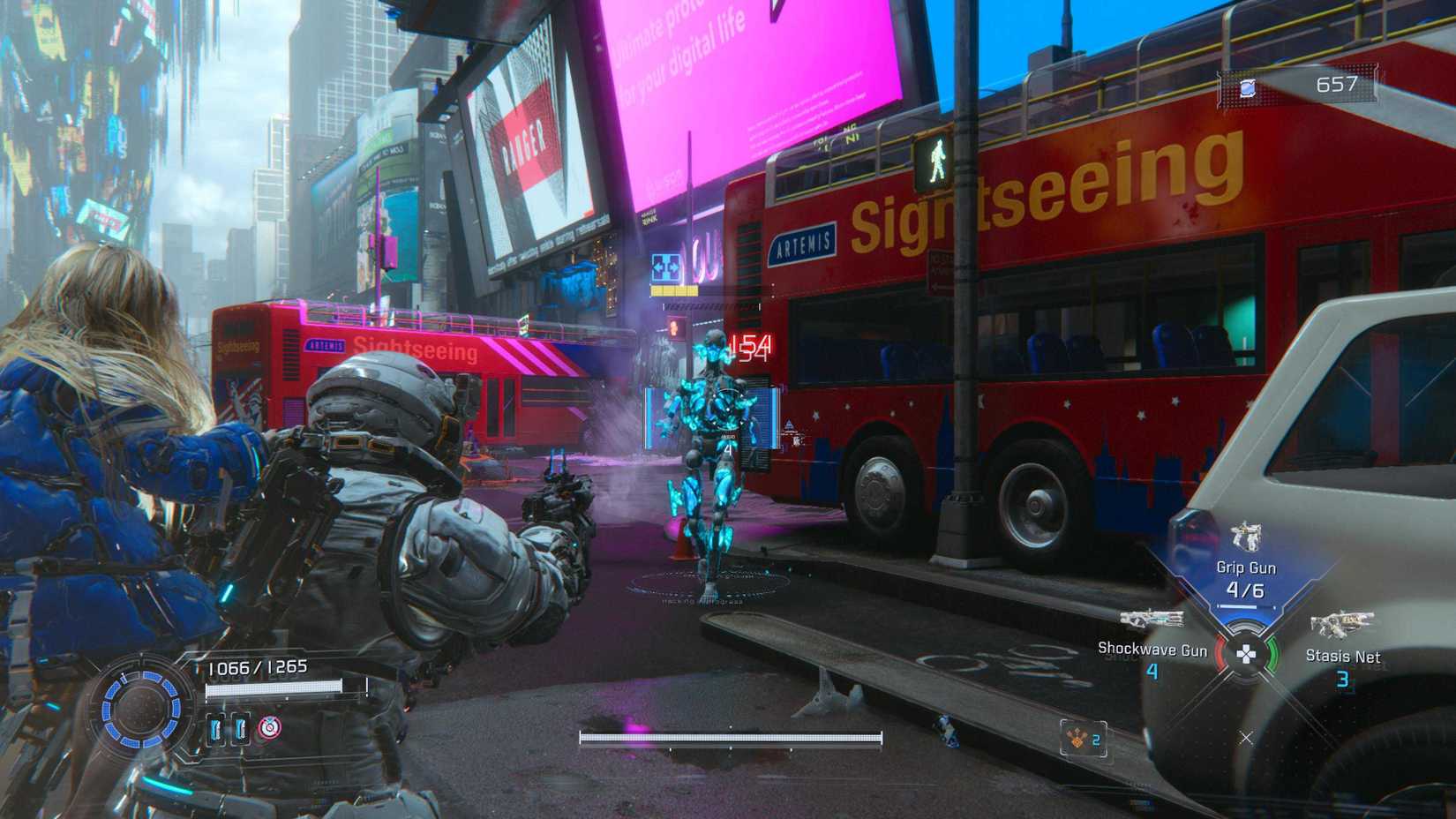
Real New York vs. Capcom's vision
Let's be honest: the real Times Square is a chaotic tangle of tourists, taxis, and layered history. Capcom trims that chaos down to dramatic lines and set dressing, emphasising scale and spectacle. The result is a version of New York that reads like a theme park ride, not a travel guide.
Details that tilt reality
No exaggeration: the small choices matter. Billboards are oversized, crowds are sparse, and the sewage of everyday life is missing. That emptiness amplifies the sci-fi elements, like the massive tethered satellites and the killer robots hinted at in the narrative. Trust me on this one; those absences tell you more about the game's mood than any explicit exposition.
Sound and lighting as narrative tools
Did you know that sound design often carries story beats when visuals are pared back? Pragmata pushes audio and neon to imply history, not explain it. That's why footsteps echo, announcements are clipped, and the music leans into a slow, pulsing rhythm. See what I mean?
What Capcom's design choices say about their approach
Question: why stage a future New York that feels stylised instead of realistic? Capcom wants players to focus on atmosphere and gameplay, not on map accuracy. The studio, founded in 1979 and famous for Resident Evil (1996) and Devil May Cry (2001), often prioritises dramatic framing over photorealism.
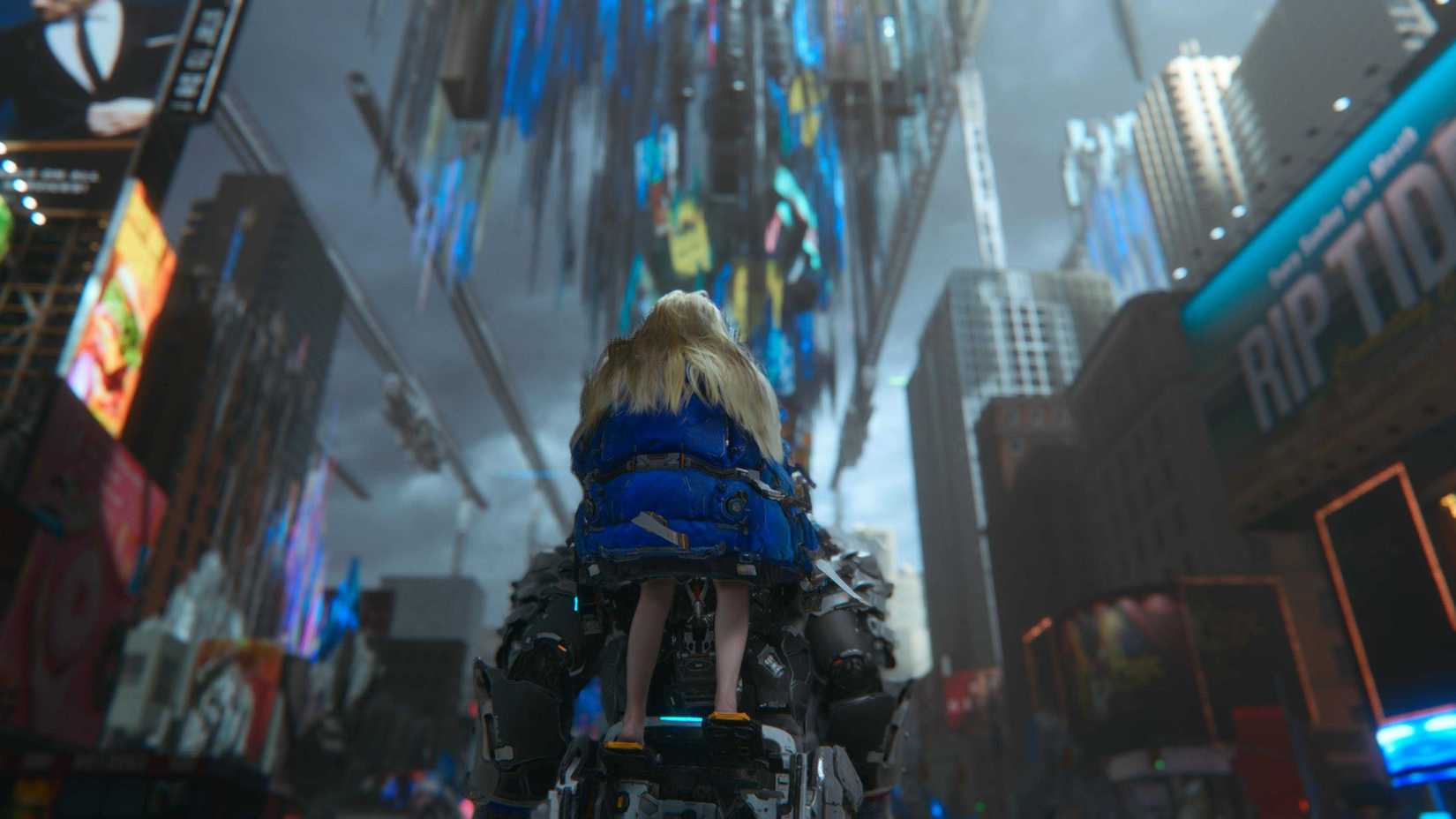
The first time I watched a Pragmata trailer, I thought of survival horror setups, where empty urban spaces become characters of their own. Here, the Times Square moment becomes a gameplay arena and a story beat, a place where narrative reveals and combat can both take centre stage. That's why composition matters so much in the early gameplay scenes.
How this helps Japanese learners and Japan fans spot design influences
Direct address: if you study Japanese game design or language through games, Pragmata is a good case study. Capcom's aesthetic borrows from tokusatsu staging and cinematic framing used in many Japanese films. Words like "atmosphere" and "mood" map onto Japanese terms you'll see in developer interviews, and learning those can enrich your vocabulary.
My tip: look up interviews from Capcom producers for vocabulary practice, and try jotting down key nouns and verbs in romaji. Speaking of which, coverage like Polygon and hands-on previews reveal the design intent, which is useful both for language learners and for fans tracing how Japanese studios export visual culture.
Practical learning angle
Trust me on this one; pause trailers and translate on-screen text. Even if Capcom uses fictional brands, the verbs and labels around doors or consoles are prime study material. Seriously though, breaking scenes into chunks of 15 seconds helps you pick up repeated terms and descriptive language faster.
Final take: a deliberate cityscape that tells a story
Take the fictional Times Square in Pragmata, for instance; it's not about accuracy, it's about mood. Capcom sculpts a recognizable New York, then strips it down to the elements that fuel intrigue and gameplay. Simply brilliant. What I especially like is how those choices make the setting immediately readable, even to players who haven't been to Manhattan.
Frequently Asked Questions
Is Pragmata actually set in New York?
The game stages scenes in a version of New York, including a stylised Times Square, but it's a fictionalised and futuristic interpretation, not a literal map of the city.
Who is developing Pragmata?
Pragmata is developed and published by Capcom, the Japanese studio known for Resident Evil and Devil May Cry. Several trailers were released between 2020 and 2023.
Can I use Pragmata to practice Japanese?
Yes, watching trailers, reading interviews, and translating UI elements can help with vocabulary and listening practice, especially if you focus on descriptive language.


