
Yokohama Chinatown: quick overview and why it matters
Ever wondered why Yokohama Chinatown, also known as Yokohama Chukagai (Yokohama Chukagai 横浜中華街), is so popular? Founded in the mid-19th century after Yokohama opened to foreign trade in 1859, the district grew as Chinese merchants and families settled near the port, creating a vibrant neighbourhood of food, shops and festivals.



Fun fact: it's home to over 500 restaurants and shops across roughly 0.2 square kilometres, making it the largest Chinatown in Japan by both area and number of establishments. The reason is simple: proximity to the port and waves of Chinese immigration shaped the neighbourhood's character. From my experience...

Essential food guide for foodies in Yokohama Chinatown
Question: what should you eat first when you arrive? Start with steamed buns, called nikuman in Japanese (nikuman 肉まん), sold at famous chains and family stalls throughout the main streets.
Street snacks and must-try dishes
Here's the thing: the lanes off Nankinmachi's main gates are snack heaven. Try xiaolongbao style soup dumplings, shumai, and sweet sesame buns. My tip: head to a shop with a queue, because that usually means fresh-made and excellent quality. Personally, I love grabbing a piping hot bao and walking while sampling other bites.
Restaurants for sit-down meals
The first time I went to Japan, I had a memorable meal at a long-standing Cantonese restaurant near the Kanteibyo temple. To be fair, not all famous places are expensive; you can find family-run diners serving set meals for under ¥1,000, and there are multi-course places where dinner can reach ¥6,000 or more. From my experience...
Cultural travellers: temples, festivals and language learning opportunities
Speaking of which, Yokohama Chinatown is more than food; it's a living cultural area with Chinese temples like Kanteibyo and Mazu Miao, which host colourful festivals during Lunar New Year and the Lantern Festival. The reason is simple: these community spaces preserved rituals and celebrations imported from various Chinese regions.
Plot twist: many shops display bilingual signs in Japanese and Chinese, which makes the area great for Japanese learners who want to compare scripts and pick up vocabulary. What I especially like is that vendors often write dish names in kanji, so learners can connect characters like 焼売 (shumai) with pronunciation. Personally...




Learning tips for Japanese students in the neighbourhood
Here's the thing: bring a small notebook and jot down words you see, especially cooking verbs and ingredients. Ever wondered why many menus use loanwords? You'll see katakana for foreign dishes and kanji for traditional ones, which is an excellent real-world study aid. From my experience...
Practical tips: getting there, best times and etiquette
Direct address: plan your visit around weekday mornings if you want smaller crowds, and evenings if you're chasing a neon-lit atmosphere and late-night eats. The area is a 5-10 minute walk from Motomachi-Chukagai Station on the Minatomirai Line, with exits that pop you almost directly into the main gates.
To be fair, weekends and national holidays get packed, and during Lunar New Year, the streets become extremely busy. On the flip side, festival days are visually stunning and worth the crowds if you like photography and ceremonies. My tip: wear comfortable shoes, carry cash as some tiny stalls are cash-only, and try to learn a few polite phrases in Japanese and some Chinese greetings to charm vendors. My verdict:

Etiquette and behaviour
Question: can you take photos freely? Mostly yes, but ask before photographing people during religious rituals or inside small shops. The general politeness code in Japan applies, so queue patiently, don't block narrow sidewalks, and avoid loud phone calls. From my experience...
Where to stay and combine with nearby sights
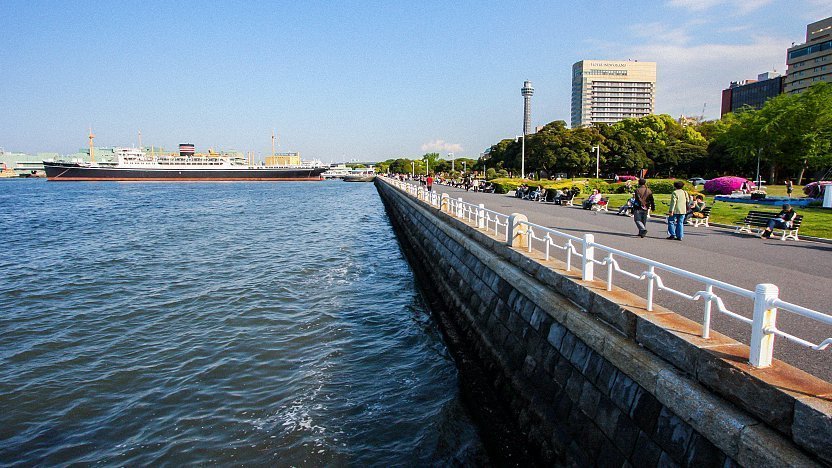
Fact: Yokohama Chinatown sits close to Yamashita Park, the CupNoodles Museum, and the Minato Mirai skyline, so it's easy to turn a Chinatown visit into a full-day itinerary. Highly recommended: combine an afternoon food crawl with an evening stroll along the harbour for contrasting vibes.
What I especially like is that staying in Kannai or Motomachi gives you walking access to all these spots, and trains from Yokohama to Tokyo take about 25–40 minutes depending on your line. Personally...
In pictures

Frequently Asked Questions
How do I get to Yokohama Chinatown from Tokyo?
Take the JR Tokaido or Yokosuka line to Yokohama, then transfer to the Minatomirai Line and get off at Motomachi-Chukagai Station. Total trip time is about 30–45 minutes depending on your starting station.
Are there vegetarian or halal options?
Yes, several restaurants in the area offer vegetarian dishes, and a few eateries provide halal-friendly menus. Look for restaurants that advertise those options or ask staff politely before ordering.
Is Chinatown open late?
Many stores close around 8–9pm, while some restaurants stay open later. Festival nights and certain restaurants may operate into the evening.


