Why Mount Fuji still matters in 2026
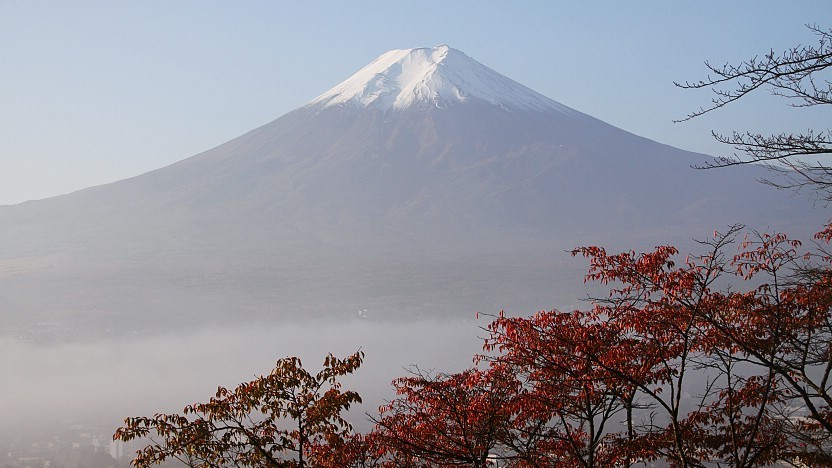
Ever wondered why Mount Fuji draws millions every year? It's 3,776 metres tall, a World Cultural Heritage site since 2013 and a potent symbol in Japanese art, from Hokusai's woodblocks to modern anime.



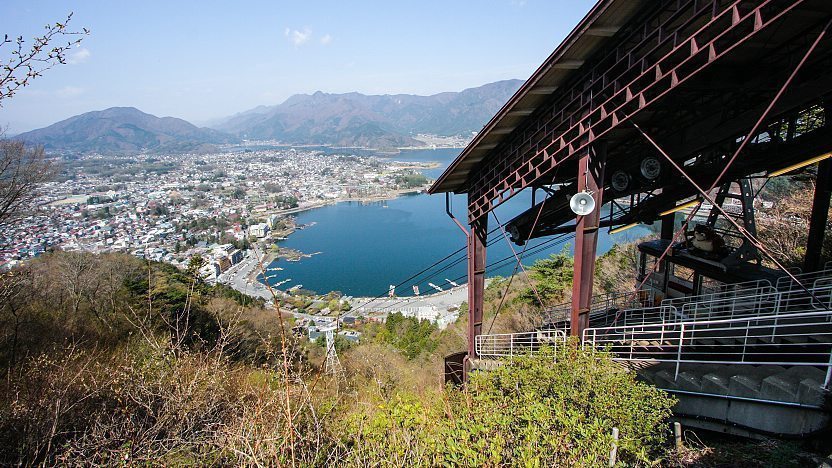
Trust me on this one: seeing Fuji-san from five different vantage points changes how you think about the mountain. One view from Lake Kawaguchi in the morning, another at sunset from Gotemba, and you'll understand why people plan entire trips around those shots. See what I mean?

Climbing Mount Fuji: routes, season and practicalities
Routes and timing
Question: planning to climb? The official climbing season usually runs from 1 July to early September, when most mountain huts and the Yoshida, Subashiri, Gotemba and Fujinomiya trails are staffed. That means ascent times typically range from about 5 to 10 hours depending on the route and fitness, with descents taking roughly 3 to 5 hours.
What most people don't know is that the Fuji Subaru Line 5th Station, the common start for the Yoshida Trail, sits at about 2,305 metres above sea level. Altitude sickness is real, so acclimatise, drink water and don't rush. Convinced yet?
Mountain huts, fees and etiquette
Here's the deal: huts are basic but life-saving for sunrise climbs, with sleeping spaces often costing 5,000 to 8,000 yen per person and meals extra. Book in advance for July and August weekends; many huts accept reservations via their websites and local travel agents.
My tip? Carry cash, wear layered clothing and pack a lightweight headlamp for summit approaches. And it gets better: hut staff expect quiet hours, so you should follow Japanese etiquette, like taking off your shoes where requested. Wait, there's more.
Hakone: your base for hot springs and Fuji views
Picture this: a short train ride from Odawara, you arrive in Hakone with mountain air and onsen steam mixing with lake views. Hakone is famous for the Hakone Open-Air Museum, which opened in 1969, and for Lake Ashi (Ashinoko), where sightseeing boats frame Fuji on clear days.
That brings us to transport tips: take the Tokaido Shinkansen to Odawara in about 30 to 40 minutes from Tokyo, then transfer to the Hakone Tozan Railway. For a convenient pass, the Odakyu Hakone Free Pass bundles round trips, local buses, the ropeway and pirate ships, saving both time and yen.
Best Hakone itineraries
Fact: a compact Hakone loop can fit into a weekend. Start with Hakone-Yumoto for ryokan choices, ride the Hakone Tozan Railway to Gora, visit the Open-Air Museum, then take the Hakone Ropeway toward Owakudani and descend to Togendai via the ropeway. Not bad, right?



What I especially like is spending an evening in a ryokan, soaking in an onsen while Fuji hides behind clouds, then waking up to a clear view. Insider tip: many ryokan request reservations well in advance for holiday weekends.
Owakudani: volcanic valley and kuro-tamago
Plot twist: Owakudani is both an attraction and a reminder that Japan is volcanically active. The valley formed about 3,000 years ago after Mount Hakone's eruption, and sulfur vents still steam today.
Here's the catch: access can change with volcanic alerts, and parts of the walking trail may close temporarily. For the latest status, check the Hakone Ropeway updates directly at Hakone Ropeway. See what I mean?
What to try at Owakudani
Ever wondered why Owakudani sells black eggs? Kuro-tamago are chicken eggs boiled in hot springs, the sulfur turning the shells black, and the local legend says eating one adds seven years to your life. Wild, isn't it?
Here's the deal: if the valley is open, ride the ropeway from Sounzan, take the short walk to the viewing platforms, and sample a kuro-tamago. That brings a neat cultural note to your Fuji day trip. Convinced yet?
2026 travel checklist and language tips
Direct address: planning now for 2026? Book summer huts and ryokan early, check trail conditions before you go, and keep flexible plans for Owakudani due to volcanic alerts. The Japan Meteorological Agency and local Hakone sites publish up-to-date notices.
Trust me on this one: learn a handful of phrases and vocabulary for smooth travel. Useful words include onsen (hot spring), eki (station) and mae (before), which helps with reading signs and talking to staff. That's why a little Japanese goes a long way.
My tip? Download offline maps, carry layered clothing and a small first-aid kit. And it gets better: mixing a climb or a Fuji-view day with Hakone's onsen makes a trip both active and restorative. See what I mean?
Frequently Asked Questions
When is the climbing season for Mount Fuji?
The main climbing season is usually from 1 July to early September, when most services and huts operate.
How do I get to Hakone from Tokyo?
Take the Tokaido Shinkansen to Odawara (about 30-40 minutes), then transfer to the Hakone Tozan Railway or local buses.
Is Owakudani always open?
No, Owakudani may close temporarily due to volcanic activity. Check the Hakone Ropeway or local authority updates before visiting.
Sources
- Ad-hoc-News: Fuji-san Ultimate Guide 2026
- Japan-Guide: Mount Fuji
- Odakyu: Hakone Free Pass
- Hakone Ropeway Official Site