
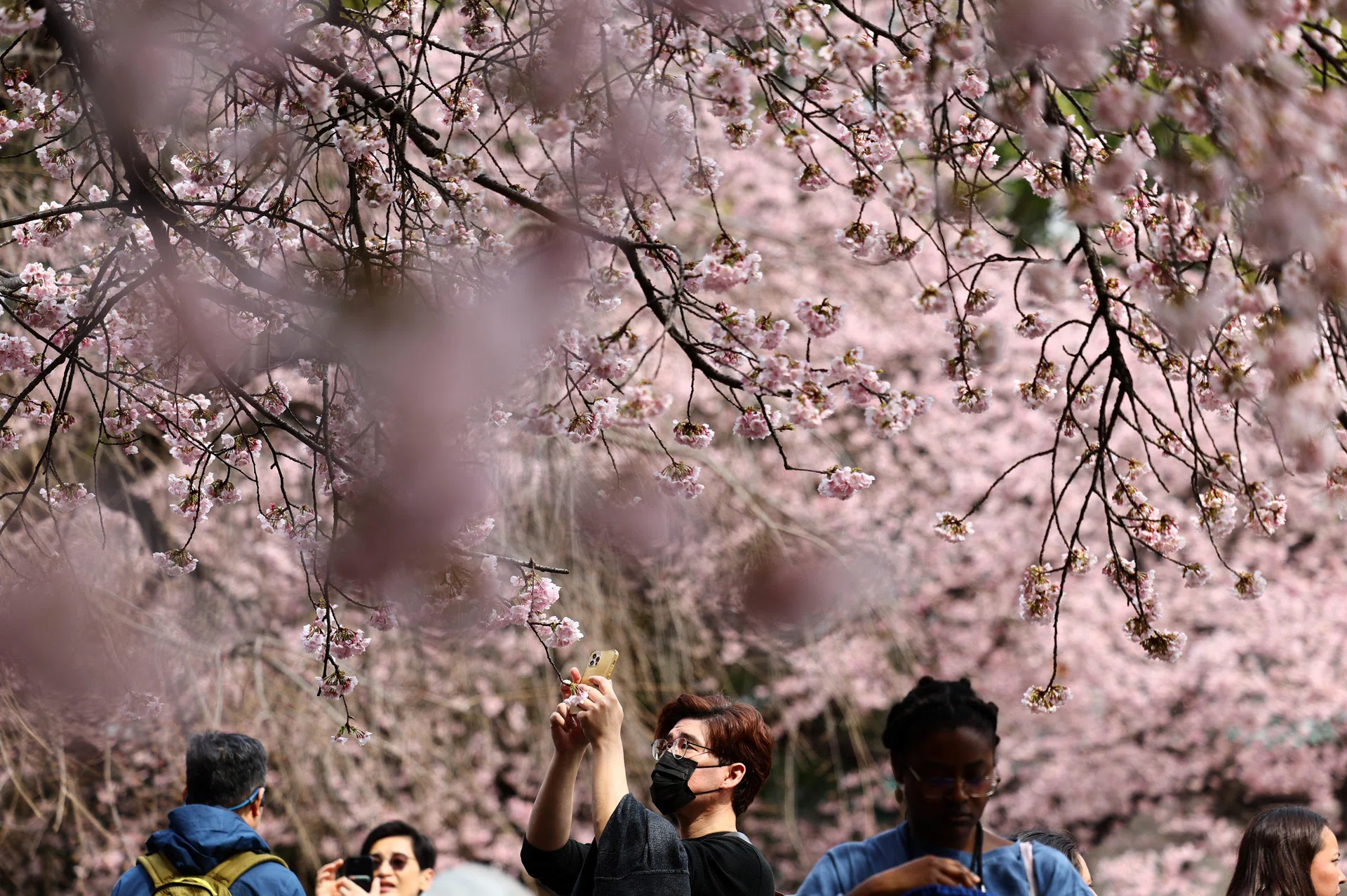
History of Japan's cherry blossom database
Fun fact: the oldest entries in the archive trace to roughly 812 AD, early in the Heian period, when court diaries and temple records began noting flowering dates. That's why historians treat these notes as one of Japan's longest continuous natural datasets, combining observations from Kyoto, Nara and other provincial centres. No exaggeration: those early lines, written by court nobles and monks, are still used by climatologists and cultural historians today.
I still remember exactly reading a facsimile of a Heian-era diary and spotting the phrase about blossoms opening in the third month. Speaking of which, those entries weren't written by scientists; they were written by people marking the passage of seasons and important festivals, including the proto-hanami gatherings that evolved into modern hanami. My verdict:
How the database was assembled and preserved
What most people don't know is that the archive isn't a single book. It was assembled from temple ledgers, imperial court diaries known as nikki, and later by municipal weather records from the 19th and 20th centuries. And it gets better: 19th-century Meiji-era officials and 20th-century meteorologists began standardising dates so researchers could compare centuries of data. But let's stick with the origin story for now.
Unlike what we're used to, preservation wasn't always professionalised. Local shrine keepers, amateur naturalists and provincial officials all added notes. The best part is that this patchwork is what gives the dataset depth, because it reflects both elite and popular perspectives on sakura.
The new keeper: role and responsibilities
Did you hear about the recent handover? A new keeper was appointed this spring to oversee curation, digitisation and public outreach for the database. That's why the appointment matters: custodianship now includes managing digital scans, liaising with universities and creating accessible timelines for the public.
Preservation and digitisation
Know that feeling when you find an old family album? Archivists feel the same, only with fragile scrolls from the 9th century. The keeper's team scans fragile entries at high resolution, records metadata like location and observer, and stores images in a secure digital repository. My tip: if you're into Japanese or climate history, check for newly released digitised collections from major institutions like the National Diet Library and university archives.
Public access and research
Speaking of which, the keeper also coordinates with researchers at universities such as Kyoto University and the University of Tokyo to allow scholarly access. The best part is that collaborative projects are using the dataset to study long-term flowering trends and link them to temperature records going back centuries. No exaggeration: these studies help trace the effects of modern warming against a millennium-scale background.
Why this archive matters for learners and fans of Japan
Know that seasonal words are central in Japanese language and aesthetics. The archive gives concrete dates and phrases you can use when studying seasonal vocab like sakura and hana. That's why language learners can benefit: you can compare historical descriptions to modern captions and learn nuanced seasonal grammar.
What most people don't know is that many classical poems in the Man'yoshu and later waka reference bloom timing. Using the database, learners can see when certain metaphors made sense historically. Speaking of which, if you're practising reading, try comparing a Heian-era diary entry with a modern haiku about cherry blossoms and spot the vocabulary shifts. See what I mean?
My tip: keep a notebook of verbs and adjectives that describe bloom states, like budding and full bloom, then check real dates from the archive to connect language with seasonal reality. Highly recommended: pairing this with field trips to famous spots like Maruyama Park in Kyoto enhances memory.
Cultural continuity and modern relevance
I still remember exactly how moved I was standing under full-bloom cherry trees in Ueno Park, knowing observers have done the same for over a thousand years. Classic Japan, isn't it? The archive shows continuity of practice and how hanami has been layered with social change, from aristocratic rituals to public festivals after the Edo period.
But that's not all. Climate scientists use the dataset to model historical phenology, city planners use it for tourism planning, and cultural groups use it to organise centennial celebrations. My verdict is that a living archive like this connects language, history and everyday life in a rare way.
And it gets better: the new keeper's emphasis on open data and teaching programmes makes the archive more useful to students of Japanese, historians and casual fans alike. Simply brilliant.
Frequently Asked Questions
What is the cherry blossom database?
It's an archive compiling records of cherry blossom bloom dates in Japan, with entries that reach back around 1,200 years.
Who manages the records now?
A newly appointed keeper and a team of archivists and researchers oversee preservation, digitisation and public access.
Can learners access the records?
Yes, many parts are being digitised and released for research and public viewing through university and national archives.


