
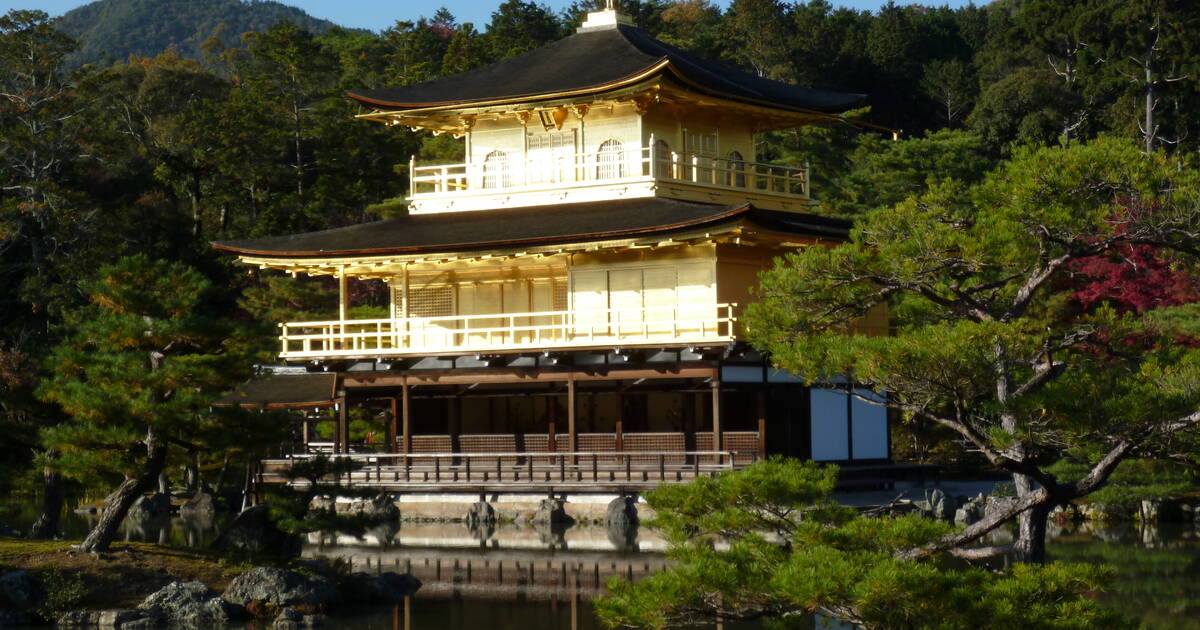
Zen temples in Kyoto off the beaten path
Did you know Kyoto has over 1,600 Buddhist temples and around 400 Shinto shrines? Quiet corners are never far away.



Fact: Kennin-ji, founded in 1202 by Eisai, is Kyoto's oldest Zen temple and sits in eastern Kyoto's Gion district. It often feels less crowded than Kiyomizu-dera.

I still remember the hush in a small courtyard at Daitoku-ji, a temple complex in Kita-ku with several subtemples, each offering a different take on Zen practice and garden design.
You should visit early, before the tour buses arrive, and practice moving slowly between moss patches and teahouses. Trust me on this one, mornings are magic. Wait, there's more.
Rock gardens to slow down: how to read a karesansui
Take Ryoan-ji, for instance. It's the classic dry landscape garden famous for its 15 stones, located in northwest Kyoto's Ukyo Ward and part of the UNESCO listing "Historic Monuments of Ancient Kyoto" since 1994.
Let's be honest: the arrangement of stones in a karesansui garden isn't meant to be 'solved'. The empty space is the point, and that's where wabi-sabi shows up.
Guess what? Ginkaku-ji, on the Philosopher's Path, offers a different rhythm with the Sea of Silver Sand and layered moss beds, giving you a calmer walk than the Golden Pavilion area.
Pro tip: sit, breathe and count your out-breaths. My tip: pick one stone or one tree and watch how the light changes. Personally, see what I mean?
Matcha as your culinary anchor in Kyoto
Imagine a narrow alley in Kyoto and a tiny tea shop where scooped green tea smells like meadow and rain.
Fact: Uji, just 15–30 minutes by train from Kyoto Station on the JR Nara Line, has been a major tea-producing area since the 13th century. Brands like Ippodo started in Kyoto long ago, with Ippodo tracing its tea trade back to 1717.



Compared to back home, matcha experiences here range from quick iced lattes to formal chanoyu tea ceremonies where they serve thick koicha or thin usucha.
Here's the catch: a matcha parfait at a popular cafe is delightful, but a quiet tea tasting at a long-established shop teaches you vocabulary and etiquette at the same time. Trust me on this one, ask for a small tasting set and take notes. Wait, there's more.
Stylish short itinerary: a slow day in Kyoto
Morning: Gion and a quiet temple
Question: Want to start slow? Walk from Gion Shirakawa into Kennin-ji, feel the wooden beams and light, then head north by bus or taxi to the Silver Pavilion area.
Afternoon: Philosopher's Path and Ginkaku-ji
Fact: The Philosopher's Path is about 2 kilometres long and links Ginkaku-ji to Nanzen-ji. It's best in cherry blossom season but peaceful year-round if you avoid noon.
Late afternoon: matcha in Uji or a neighborhood chaya
Anecdote: I once hopped the JR Nara Line to Uji in 25 minutes, sampled a powdered tea set, and wrote new vocabulary in my notebook while the shop owner explained grade differences. Not bad, right?
On the flip side, if you don't want the train, small teahouses near the Kamo River are excellent and easier to reach. Pro tip: try a small bowl of koicha for a true Kyoto experience. Personally, wait, there's more.
Learning Japanese through temples and tea
Direct address: If you're studying Japanese, bring a tiny notebook and write down words you hear at tea shops and temples, like omotenashi for hospitality or za for sitting style terms.
Trust me on this one, temple plaques, guidebook captions and tea-shop menus are full of kanji practice, often with easy grammar you can parse on the spot, especially in Kyoto's museums and temple information boards.
Oh, almost forgot: many temple websites post English and Japanese descriptions. Read both and compare sentence structures. See what I mean?
Frequently Asked Questions
When is the best time to visit Kyoto for quieter temples?
Early morning on weekdays is best; aim for 8:00–9:00 am to avoid tour groups.
How long does it take to see Ryoan-ji and Ginkaku-ji properly?
Plan at least 1 hour for Ryoan-ji and 1.5 hours for Ginkaku-ji, including a stroll on the Philosopher's Path.


