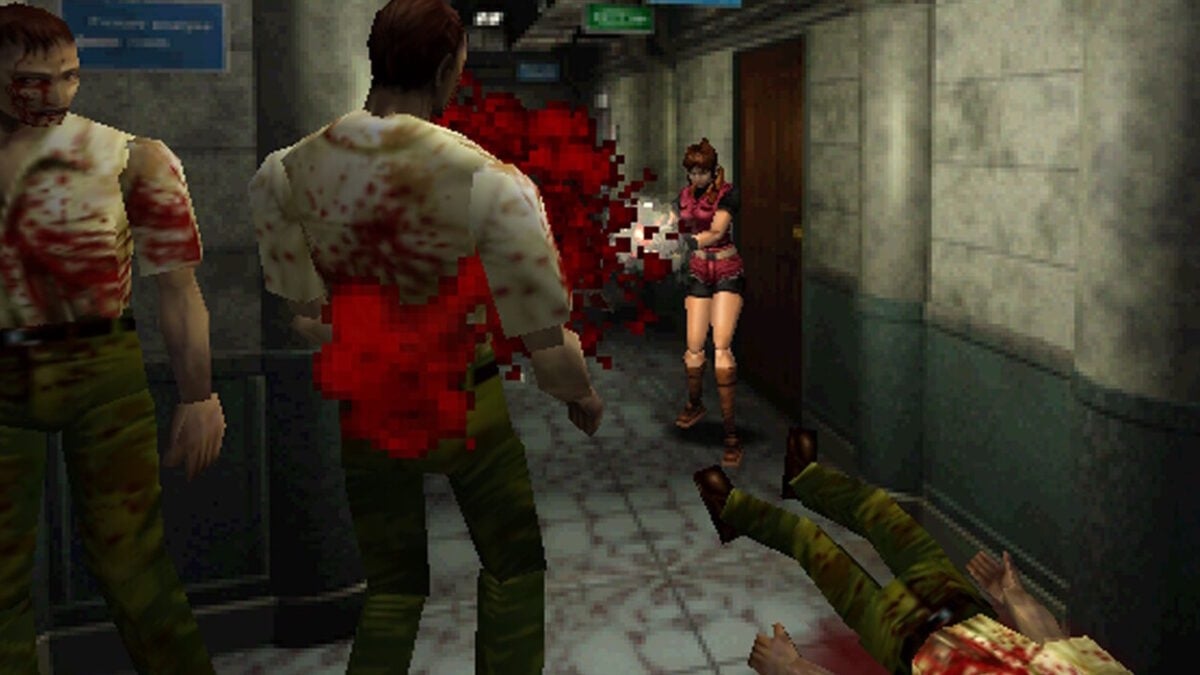
Why the Capcom DRM issue matters for Resident Evil fans
Know that feeling when a beloved childhood game gets a rough remake? Fans expected nostalgia, not a DRM headache.
![Dragon Ball Z: Kakarot [Master Edition]](https://s.pacn.ws/1/p/1eh/dragon-ball-z-kakarot-master-edition-908785.1.jpg?v=t8ja8t&width=400)


Here's the thing: Capcom, the Osaka-based developer and publisher founded in 1979, has a strong legacy with the original Resident Evil trilogy, first released as Resident Evil in 1996, Resident Evil 2 in 1998, and Resident Evil 3: Nemesis in 1999. Recent Steam re-releases of those classics have drawn criticism because of leftover or intrusive DRM files found in the builds, according to reporting by Kotaku. My verdict? That tarnishes more than just a download page.
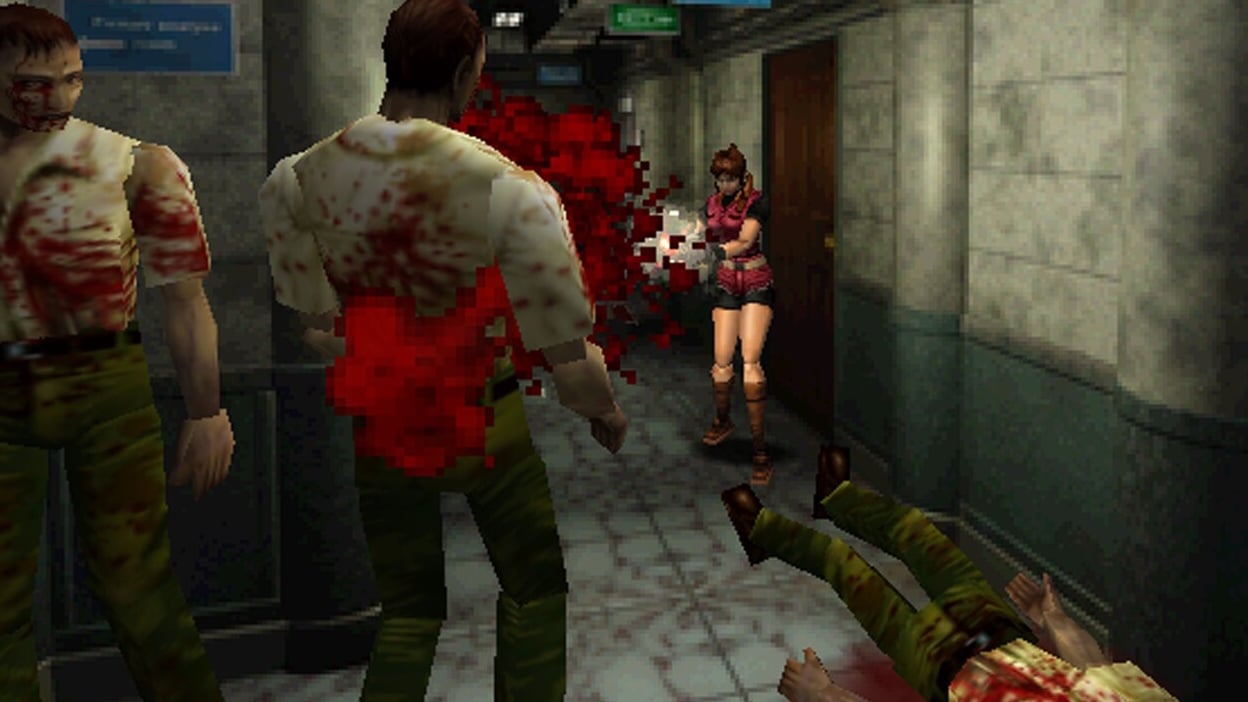
What went wrong in the Steam re-releases of the first three Resident Evil games
Imagine a narrow alley in Tokyo. You turn a corner and expect a quiet shrine, but you get a construction site instead.
Concrete examples of the DRM problems
To be fair, players discovered files and identifiers related to anti-tamper measures in the Steam packages. These traces suggested leftover development DRM remnants were shipped with the retail builds. Kotaku flagged files associated with an "enigma" DRM element inside the builds, and users on Steam forums and social feeds posted screenshots and CRC logs. Trust me on this one: files like that in a classic game's folder make collectors and preservationists nervous.
Why this hurts retro releases more than modern titles
Compared to back home, where retro cartridges are stored in shoeboxes, digital re-releases become the canonical version for many players. DRM that prevents clean archival or requires contact with external validation servers threatens the long-term accessibility of 1990s games. Pro tip: preservation-minded fans check file manifests, and any sign of proprietary DRM triggers alarm bells.
Fan reaction and the broader DRM debate
Question: why did fans react so strongly? Because Resident Evil isn't just a product; it's cultural memory.
That reminds me: on r/gaming and other communities, users debated what this means for game collecting. Some argued Capcom should remove any unnecessary DRM from legacy content. Others pointed to the company's past use of Denuvo on PC titles as context for distrust. To be fair, Capcom has defended anti-tamper tech in the past as protection against piracy and revenue loss, but many players say that shouldn't come at the cost of long-term access.
On the flip side, Capcom's modern releases, like 2019's Resident Evil 2 remake and the 2023 Resident Evil 4 remake, are separate projects with different technical needs. Still, shipping classic 1996-1999-era games with modern DRM traces feels sloppy. From my experience, that sloppy feeling spreads faster online than a broken save file. My tip? If you buy a retro re-release, check community threads for reports before launching the game.
What this means for Japanese culture fans and language learners
Here's an angle you don't expect: these releases matter to learners of Japanese and fans of Japanese culture because classic games are cultural texts, not just entertainment.
Imagine studying keigo levels while playing a 1996 horror game translated into English, or following atmosphere cues that teach you cultural context. When a re-release is hampered by DRM, students and researchers lose easy access. Insider tip: collectors often extract subtitles and scripts to study language use across eras, and DRM can block those efforts.
Let's be honest: Capcom's reputation matters for how Japanese game history is shared outside Japan. Removing obstacles to preservation helps both gaming culture and learners who rely on archives. Convinced yet?
My opinion? Capcom should treat classic titles with the same care as museum artifacts. Shipping leftover DRM files in the builds of Resident Evil (1996), Resident Evil 2 (1998), and Resident Evil 3 (1999) is avoidable, and fixing it would restore trust. My tip: if you care about preservation, back up your installers and follow trusted community guides for archiving.
more Japan news on jpnerd.comFrequently Asked Questions
Did Capcom intentionally add DRM to the classic Resident Evil games?
Short answer: Reports indicate leftover anti-tamper files were included in Steam builds, but Capcom hasn't framed those files as a deliberate long-term DRM strategy for the classics.
Will DRM stop me from playing the re-releases offline?
Short answer: Most players can run their games, but DRM can complicate long-term access or archival, and it may require online verification in some cases.