Why duty-free sales are rebounding in Japanese department stores
Did you know that major department store chains like Isetan Mitsukoshi Holdings and Takashimaya were among those reporting renewed strength in duty-free, or 免税, sales in early 2026? The Japan Times article from April 1, 2026, highlighted a measurable uptick after a notable downturn that started in 2023, when Chinese outbound spending slowed sharply. Sounds good, right?
Picture this: shoppers queuing at counters for cosmetics, watches and high-end fashion, while staff handle tax-free paperwork with practiced speed. No exaggeration here, stores in Ginza, Shibuya and Umeda are feeling that pickup, with some specialty floors returning to near pre-pandemic foot traffic. Personally, I find the bustle a reassuring sign for retail jobs and the city's small businesses.
How China’s absence shaped the slump and what its return means
Trust me on this one: the earlier collapse of duty-free receipts wasn't just seasonal noise. China had been the single biggest driver of luxury and cosmetics spending in central Tokyo and major regional department stores in 2019 and 2018, before the pandemic. When Chinese spending cooled, the numbers dropped significantly, particularly in downtown areas popular with group tours.
To be fair, China hasn't simply disappeared or reappeared overnight. What changed recently is more nuanced. A mix of resumed outbound travel, targeted marketing by Japanese retailers and renewed flight connections is leading to a gradual restoration of spending power. That brings us to the next point.
Which nationalities are leading the rebound, and what they buy
South Korea and the United States
I still remember exactly the spring of 2019, when Korean shoppers were everywhere, snapping up skincare and snacks. February 2026 inbound figures, cited in the Japan Times piece, show a rebound carried in part by South Korea and the United States, replacing some of the spending left by slower Chinese demand. For example, Korean visitors often target cosmetics and food gifts, while US visitors tend to spend more on electronics and luxury brands.
China’s gradual return
What most people don't know is that even when headline numbers lag, Chinese tourists can still account for very high per-capita purchases. Retailers are watching conversion rates rather than just counting heads. My tip? If a shop has staff fluent in Mandarin and a streamlined payment process, it's more likely to turn cross-border visitors into big buyers.



Where shopping tourism is clustering in Japan
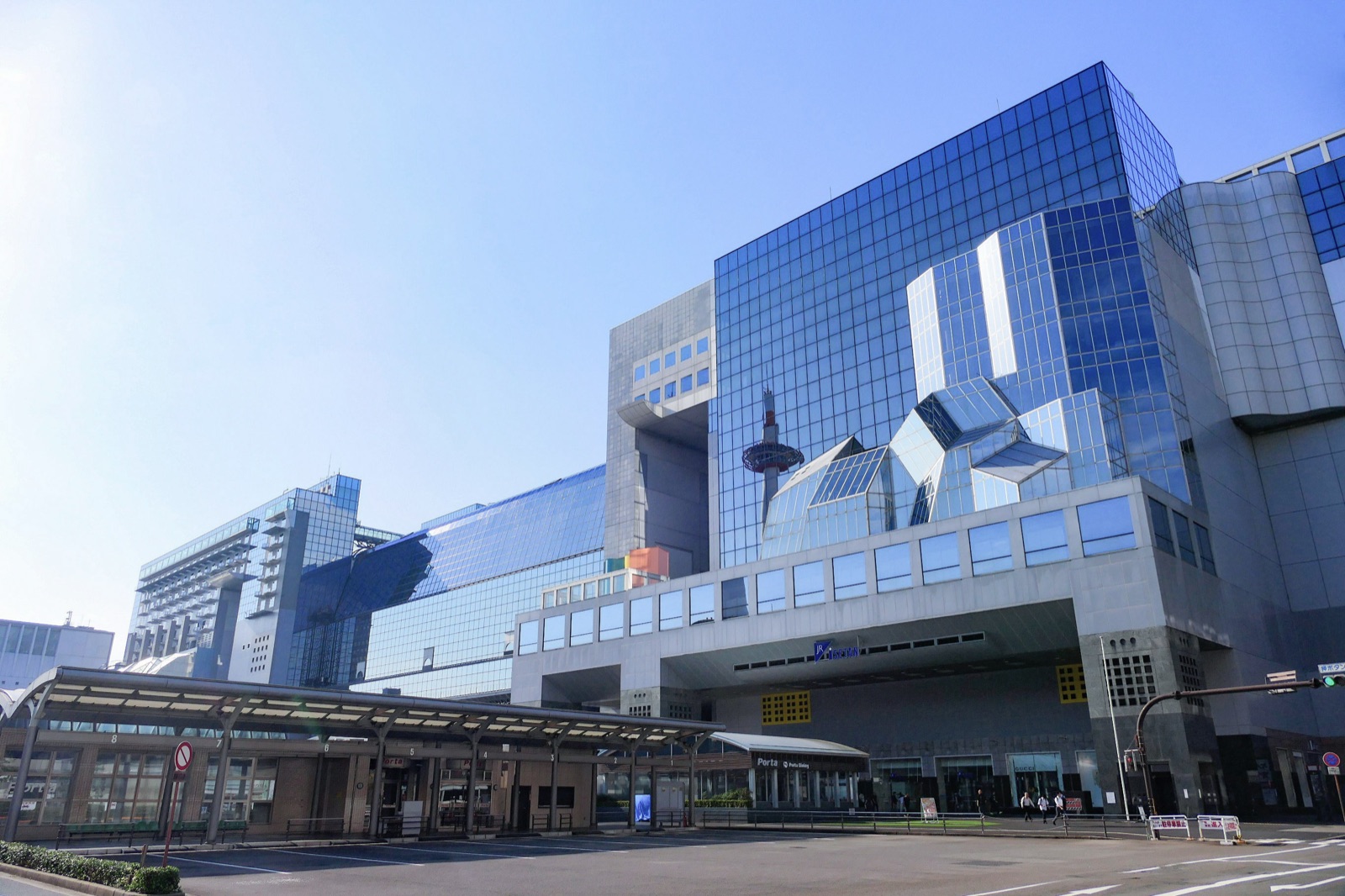
Question: where should you go if you want to study this rebound with your own eyes? Tokyo remains the epicentre, especially the department store districts of Ginza, Nihonbashi and Shinjuku. Osaka's Umeda and Namba areas are also strong. A great example is Isetan in Shinjuku and Mitsukoshi in Nihonbashi, which reported duty-free counters filling up again on weekends, according to on-the-ground retail reports and local business updates.
No exaggeration: regional department stores in Sapporo and Fukuoka are seeing visitors extend their stays to shop local food items and regional crafts. That shift hints at a longer trend, where travel itineraries mix urban shopping with local experiences, what some industry folks call shopping tourism or 買い物観光. See what I mean?
Language and learning angle for Japan fans
Trust me on this one: watching duty-free counters is a fun, practical way to practice Japanese. Learn phrases around 免税 and payment, or pick up product names and packaging kanji on the fly. Insider tip: ask staff how a product is used; you'll get natural speech and useful vocabulary. Highly recommended: bring a small phrase list or use a language app for quick confirmations at the counter.
And it gets better: for learners interested in business vocabulary, departmental sales reports, receipts and store announcements are great reading material. What I especially like is that real receipts often list tax-exempt items, giving you real examples of product categories and price formats.
Frequently Asked Questions
Are duty-free counters open everywhere in Japan?
Not everywhere, but most major department stores in big cities and airports offer duty-free services. Check store websites for details.
Do I need to show a passport to shop duty-free?
Yes, you typically need to present a passport and follow the store's tax-exemption procedures at purchase.
Sources
- Japan Times, "Duty-free sales rebound" (April 1, 2026)
- Japan National Tourism Organization, visitor statistics and tourism resources