
Why Mount Fuji photos go viral
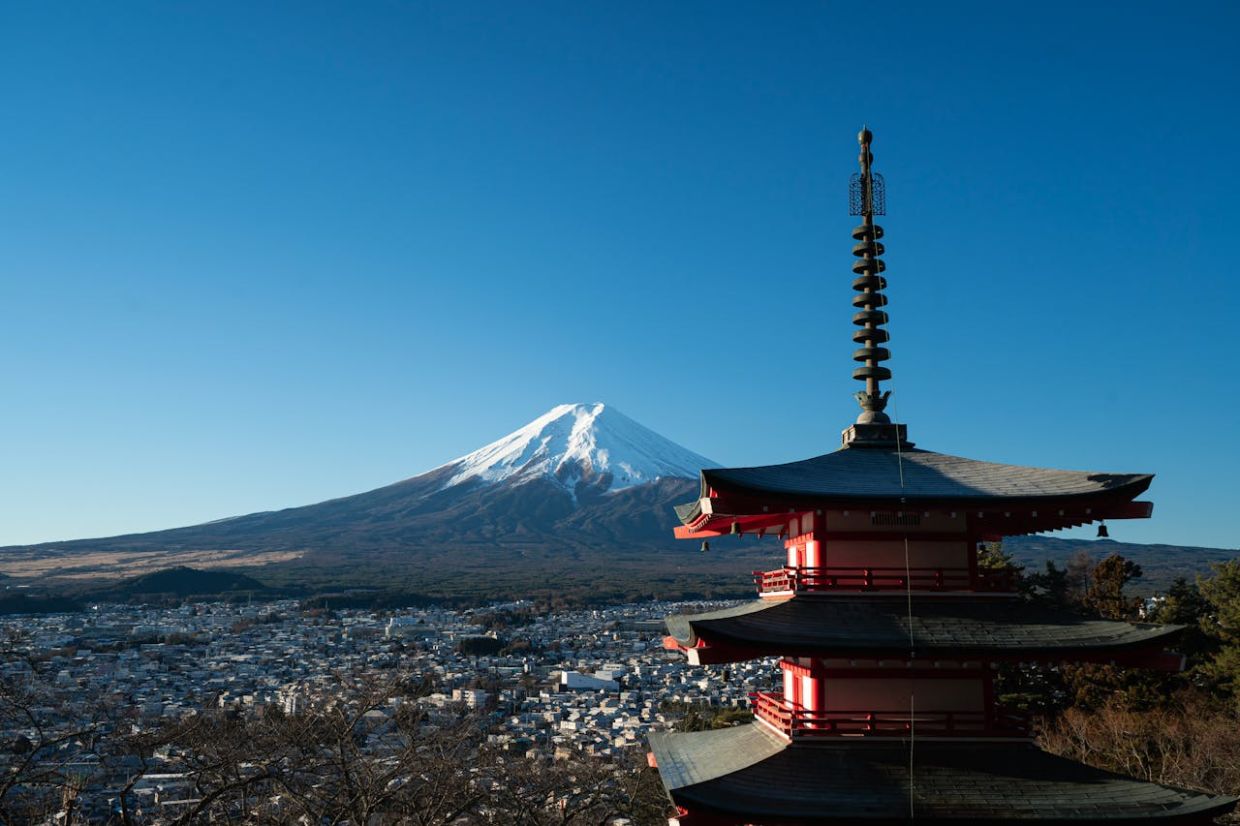
No joke: Mount Fuji is an iconic motif for a reason. It's 3,776 meters tall and appears in countless ukiyo-e prints and travel guides. Here's the deal: a single striking photo posted to social platforms can spread worldwide in hours. Because Mt Fuji is instantly recognisable, people start planning trips just to recreate that shot. The best part? That image often shows the mountain with a local landmark in the foreground, which makes it feel achievable and irresistible to visitors. Wait, there's more.
Fujiyoshida: the town behind the shot
Compared to back home, Fujiyoshida feels small. It's a city of about 45,000 people in Yamanashi Prefecture near the base of Mt Fuji. The most famous viewpoint is Arakurayama Sengen Park, home to Chureito Pagoda, a five-story pagoda built in 1963 as a peace memorial. What most people don't know is that the park and its steps are managed with local customs and shrine etiquette since the pagoda sits near Sengen shrines that honour the mountain.
How a viral image points to a real place
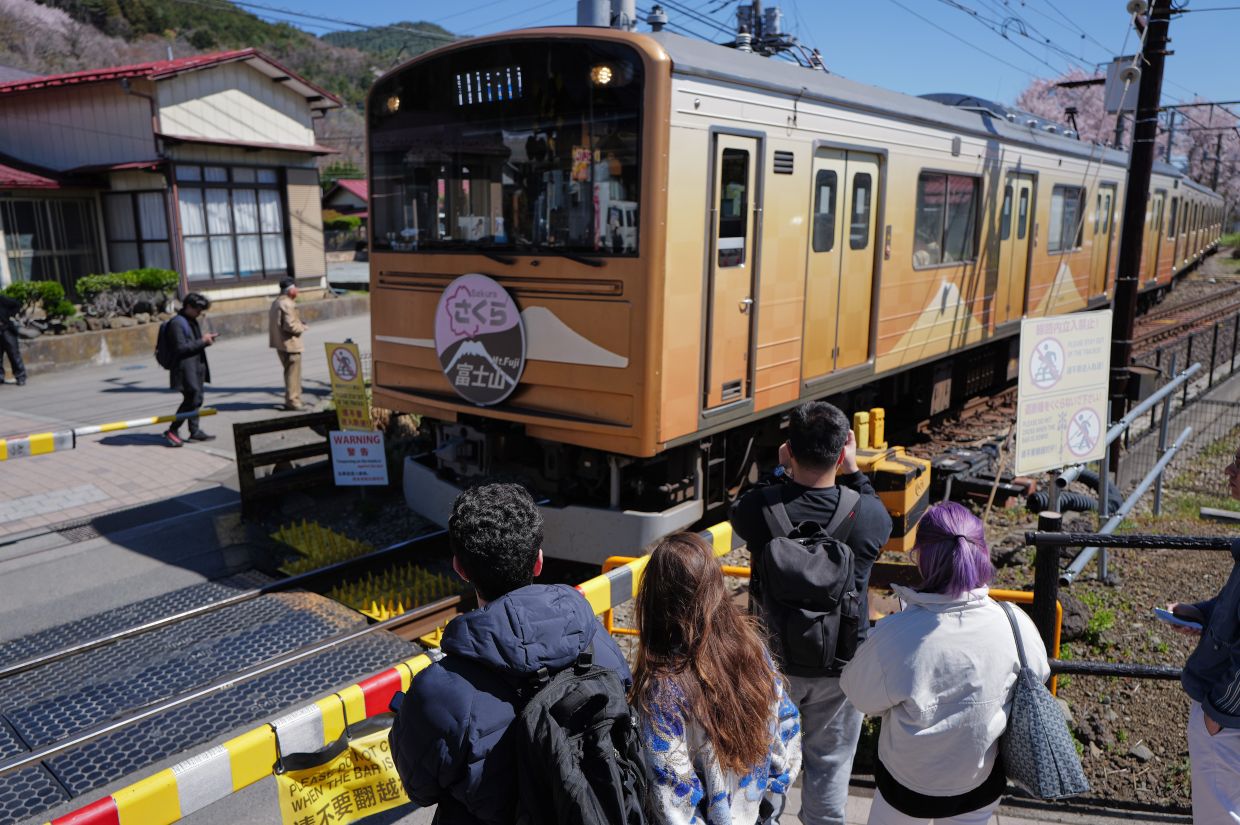
Here's the kicker: once a photo goes viral, travel itineraries copy one another, and that single vantage point gets saturated. By the way, the viral picture that local media highlighted in April 2026 made headlines for exactly this pattern, and national attention keeps bringing waves of repeat visitors. See what I mean?
Annual tourist surge and its effects on roads and hotspots
Question: what happens when thousands want the same selfie? Roads get clogged, parking overflows, public transport sees spikes, and narrow streets in Fujiyoshida aren't built for continuous weekend surges. To be fair, local businesses welcome tourists; they boost income for ryokan and shops. But residents report noise and crowding around festivals and the sakura season when views are at their peak. Classic Japan, isn't it?
Numbers and local impact
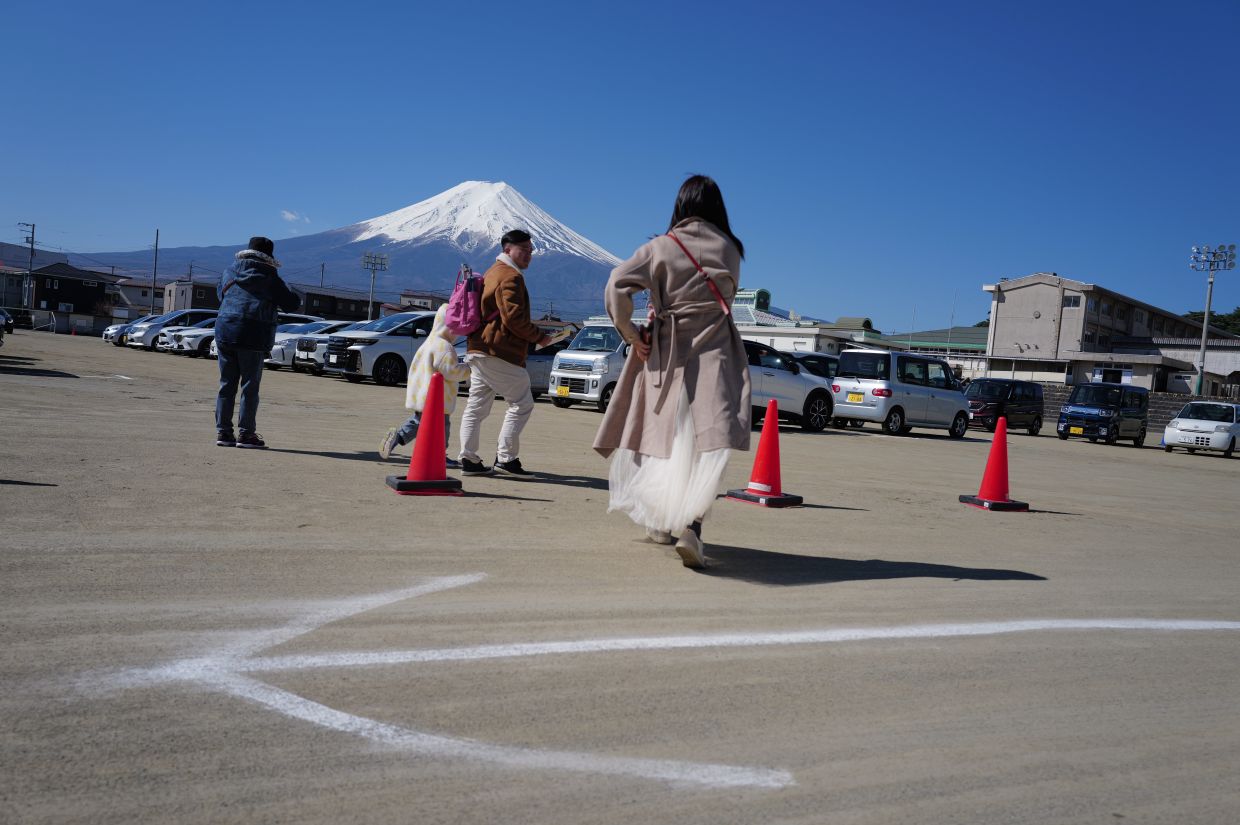
Fact: municipal reports and news coverage have documented repeated spikes during cherry blossom season and weekends in April and November, when weather produces the clearest views of Mt Fuji. The town's emergency parking and traffic control measures get activated, and temporary policing increases near Arakurayama Sengen Park. Personally, I think the visual reward is great, but the trade-offs are visible on the ground.



How visitors change routines and neighborhoods
The first time I went to Japan, I remember narrow lanes being full of tourists with tripods. Now imagine that every weekend. What many overlook is that tourists often stay for only a few hours; they use local convenience stores and sometimes litter or misplace themselves in residential areas. The result? Wear on sidewalks, localized trash issues, and residents altering morning walks to avoid crowds. See what I mean?
Local reactions and measures
By the way, Fujiyoshida city and local volunteers have experimented with visitor guidance, timed entry suggestions, and clearer signage in English and other languages. The best part is that some businesses use the surge well, offering local omotenashi style hospitality, special onsen packages, and cultural talks, so the economic upside is genuine. My tip? Visit on weekdays, go early in the morning, and learn a few basic etiquette phrases to keep the peace.
How to visit responsibly and still get your shot
Direct advice: don't block steps, avoid tripods during peak times, and respect shrine areas. Here's the deal: a small change in behaviour by visitors can massively reduce impact. Try taking a photo from another angle or from the nearby streets to spread foot traffic. What I especially like is exploring Fujiyoshida beyond the postcard. Try local soba restaurants and smaller shrines to get a fuller experience. Not bad, right?
The best part is that you can still see the classic view without overwhelming the town. Choose off-peak hours, support local shops, and treat the area like you would any neighbourhood. Personally, these measures keep Fujiyoshida livable for residents and enjoyable for visitors. See what I mean?
Frequently Asked Questions
Why does a single photo bring so many tourists?
Short answer: a viral image creates a clear, shareable goal for travellers, and everyone wants the same iconic shot of Mt Fuji with local landmarks.
Is Arakurayama Sengen Park open year-round?
Short answer: yes, the park is generally open all year, but access conditions and crowds vary by season and weather.


