
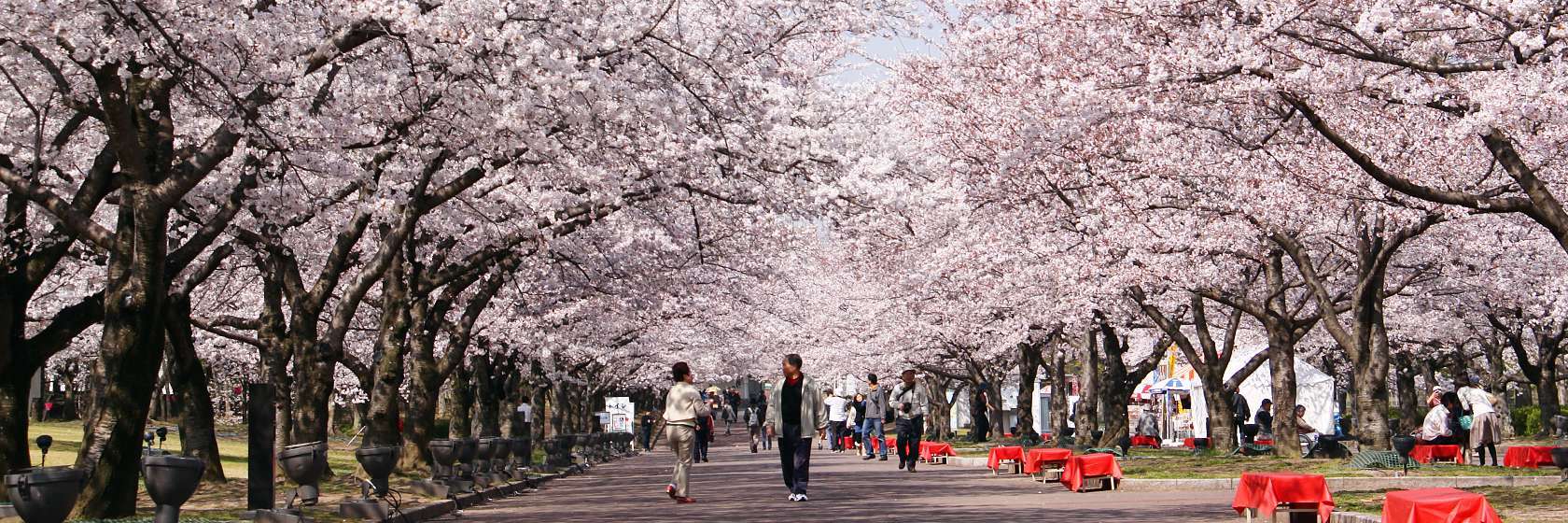
Chidorigafuchi live camera: what you can see
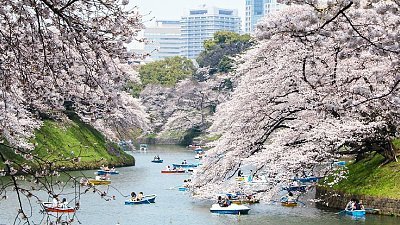
Guess what? The Chidorigafuchi live camera overlooks one of Tokyo's most photographed cherry blossom corridors near the Imperial Palace moat.



What most people don't know is that the live feed often shows subtle differences in bloom from the northern to the southern parts of the moat, because tree age and sunlight exposure vary along the path. Personally, I love watching how passing boats reflect the petals at golden hour.
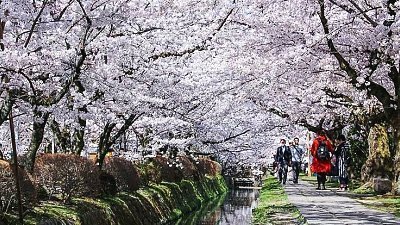
Live camera links and how to watch
By the way, the primary live stream I'm referencing runs on YouTube. It's updated in real time and commonly tagged as a "Chidorigafuchi live" feed. You can find the source stream here: Chidorigafuchi live stream on YouTube.
Oh, almost forgot! If you plan to stream for long periods, choose 720p or 1080p depending on your connection. Higher resolution makes reading subtle colour shifts easier without eating bandwidth. The reason is simple: colour fidelity matters when you're tracking full bloom progress.
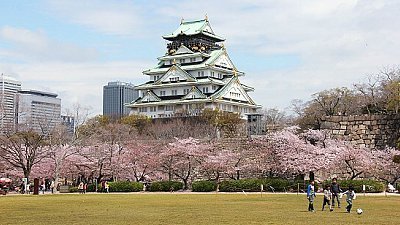
Planning your hanami trip to Tokyo in 2026
Do you know that feeling when you want to be on the ground the moment the trees peak? For Tokyo, sakura usually peak in late March to early April, and live cams like Chidorigafuchi help you time your trip with minimal guesswork.
It's early morning in Kyoto. That might sound unrelated, but cross-checking multiple cams from Tokyo, Kyoto, and other regions gives you a practical picture of the sakura front moving north. On a related note, the Japan Meteorological Agency and sites like Japan Guide publish seasonal forecasts that complement live footage.
How to get there and what to expect
Chidorigafuchi is a short walk from Kudanshita Station on the Tozai, Hanzomon, and Shinjuku lines. Expect crowds on weekends, and early morning or late evening visits reduce jostling for photos.
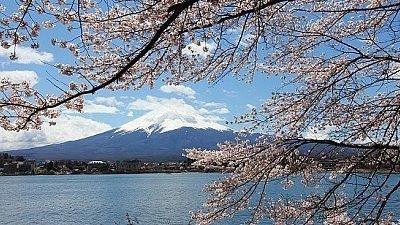



My tip? Bring a lightweight waterproof jacket in case of spring showers, and try renting a boat at the nearby Chidorigafuchi Rowing Center for a classic view from the water. Insider tip: book early; boats are limited during peak season. Sounds good, right?
Learning Japanese with sakura: vocabulary and cultural notes
Here's the kicker: you can practice real Japanese listening and vocabulary while watching the live cam. Pause the stream and jot down words you hear from local announcements or tourist videos, then look them up later.
Insider tip: mix visual learning with flashcards. Add 桜 (sakura) and 花見 (hanami) to your deck, and write sample sentences like "I watched sakura at Chidorigafuchi" in Japanese once you know basic grammar. What I especially like is seeing how single kanji like 桜 carries seasonal weight in newspapers and train announcements during spring.
It sounds weird, but it's true. Even small phrases used by vendors or signage near the moat can teach polite forms and practical phrases for travellers. The reason is simple: real-world repetition sticks better than isolated drills.
Etiquette and cultural context
Guess what? Despite the party atmosphere, hanami at Chidorigafuchi tends to be more picture-focused than picnic-focused because space is limited near the moat. Classic Japan, isn't it?
Before I forget, be mindful of trash rules. Most public hanami spots have limited trash collection, so carry out what you carry in. Personally, I always carry a small trash bag and offer to help neighbours when the crowd thins.
In pictures
Frequently Asked Questions
Can I watch the sakura live from outside Japan?
Yes. The Chidorigafuchi live camera streams globally on YouTube, accessible with a standard internet connection.
When is the best time to visit Chidorigafuchi for 2026?
The best time is usually late March to early April, but check live cams and official forecasts for precise timing in 2026.
Sources
- Chidorigafuchi live stream on YouTube
- Japan Guide: Cherry Blossom Forecasts and Viewing
- Japan Meteorological Agency: Cherry Blossom Information
- Japan Guide


