Hakone Nanamagari: the real-world touge every racer knows
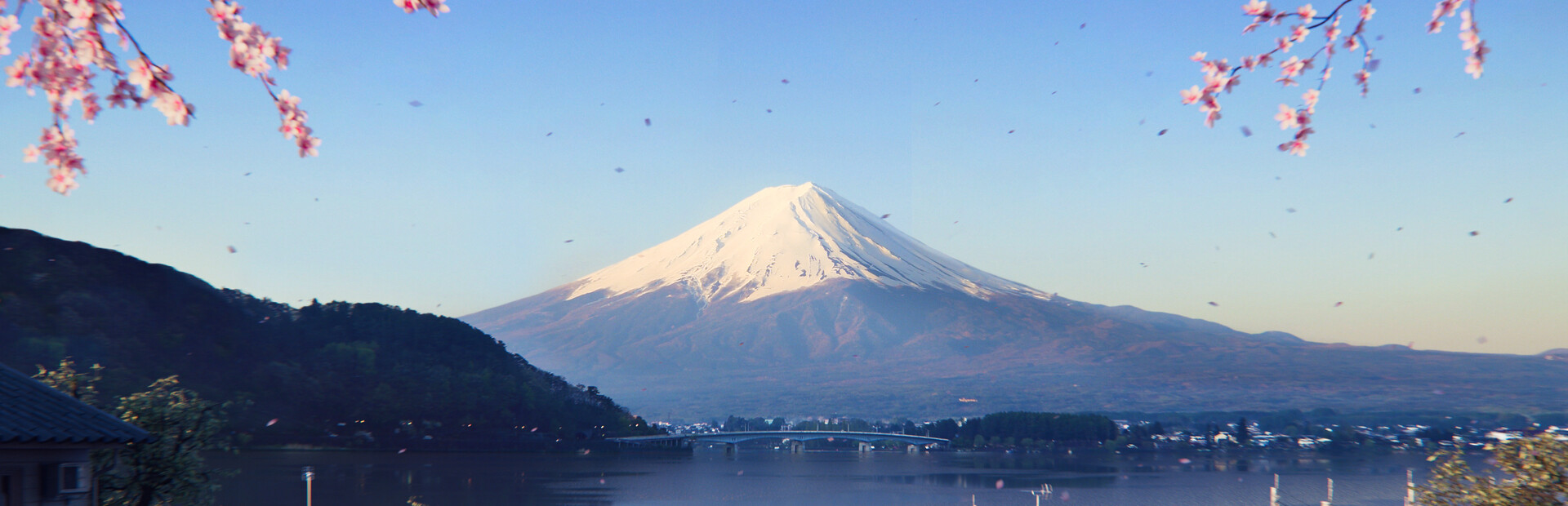
Have you ever seen photos of Hakone's tight, forested hairpins and thought they belonged in a movie? Hakone in Kanagawa Prefecture has long been a pilgrimage for touge fans, especially the famous stretch locals call Nanamagari, which literally means seven bends. This nickname captures its rhythm and challenge. What many overlook is the road's proximity to Odawara, the Tokaido Highway history, and views towards Mount Fuji on clear days, these are all things that make in-game lighting and geography matter.
![Dragon Ball Z: Kakarot [Master Edition]](https://s.pacn.ws/1/p/1eh/dragon-ball-z-kakarot-master-edition-908785.1.jpg?v=t8ja8t&width=400)
![Startup Company [Console Edition] (Limited Edition)](https://s.pacn.ws/1/p/157/startup-company-console-edition-limited-edition-741799.16.jpg?v=ry4mm8&width=400)
![Startup Company [Console Edition]](https://s.pacn.ws/1/p/157/startup-company-console-edition-741779.10.jpg?v=ry4ngq&width=400)
No joke, Nanamagari isn't just about aesthetics; it's a study ground for line choice, braking points, and weight transfer on rear-wheel-drive cars. Personally, when I practice in simulator setups, I mimic that sequence of corners to train heel-and-toe and countersteer timing. Wait, there's more.

Initial D touge routes: myth, manga, and measurable influence
Did you know Initial D, the manga by Shuichi Shigeno first published in 1995, turned specific touge routes into pop culture icons? The franchise popularised cars like the Toyota AE86, Mazda RX-7, and Nissan Skyline in real-life drifting scenes across Japan. On a related note, many of the locations that inspired Initial D are in Gunma and Tochigi, but the style and technique portrayed in those chapters are instantly transferable to Hakone-like roads.
From panels to asphalt
Here's the thing: Initial D didn't just show racing; it taught viewers terminology and technique. The manga and anime introduced audiences to terms like touge (mountain pass), oversteer, and the idea of weight transfer in engaging, visual ways. My tip? If you're learning Japanese, follow the series' vocabulary for driving terms and practice them with flashcards, it's surprisingly memorable. Personally...

Forza Horizon 6 map rumours and evidence
Let's be honest: the Forza community thrives on leaks and map speculation, and Polygon's recent piece kicked the hornet's nest by pointing out Initial D-style hints in alleged map reveals. Playground Games, the studio behind Forza Horizon 4 (2018) and Forza Horizon 5 (2021), has collaborated with Xbox Game Studios on open-world car playgrounds, so a Japan-set Horizon would be a logical next step for global appeal.
What the leaks actually show
Unlike what we're used to in vague rumour threads, some leaks show road geometry that looks like touge sections, with narrow mountain passes and switchback-heavy topography. No exaggeration here: if the map places a region in Kanagawa-style terrain, that opens doors for recreating Hakone Nanamagari lines, roadside shrines, and even service stations inspired by real locations. On a related note, community modders on Reddit and YouTube have already started mapping out potential coordinates. Check out the Polygon article and popular threads on r/Forza for visual breakdowns.

Japanese drift culture: from touge to circuit
It's early morning in Kyoto when many drivers head to closed circuits or authorised events, which shows how drift culture blends tradition and modern motorsport. Hand on heart, Japanese drift culture isn't just about illegal touge runs; it's also grassroots motorsport, with organised clubs, circuit days at places like Ebisu Circuit in Fukushima, and a serious aftermarket scene centred on brands such as HKS and Trust.
How that translates to game design
Let me show you why drift mechanics, weather, and car tuning will matter for a convincing Hakone area in Forza Horizon 6. Cars need realistic weight shift models, suspension tuning options, and tyre wear to make downforce and throttle control meaningful on tight mountain roads. What I especially like is when games include cultural details like convenience store layouts, vending machines, and roadside tea houses, they add texture that rewards players who know Japan's driving culture. See what I mean?

What players should watch for in an official reveal
Question: will Playground Games include authentic signage, kanji on billboards, and correct prefecture names? No joke, localisation teams often miss small details, so look for correct use of place names like Hakone and Odawara, and for car lists that include JDM legends. But let's stick with map design for now, because a believable touge requires accurate elevation change, guardrails, narrow shoulders, and vegetation that affects sightlines.
No exaggeration: if Forza Horizon 6 includes a Hakone-inspired region, it could reshape how Western players experience Japanese driving culture, from touge technique to the popularity of drift meets. Sounds weird, but it's true. Not bad, right?
In pictures

Frequently Asked Questions
Will Forza Horizon 6 definitely include Hakone?
Short answer: No confirmed announcement yet, only strong rumours and map leaks discussed by gaming outlets like Polygon.
What is Nanamagari?
Short answer: It refers to a tight sequence of bends often associated with Hakone; the name suggests multiple sharp turns and is popular with touge drivers.
How can I learn Japanese terms related to driving?
Short answer: Study vocabulary from Initial D and automotive glossaries, practice with flashcards, and watch Japan-based racing content with subtitles.