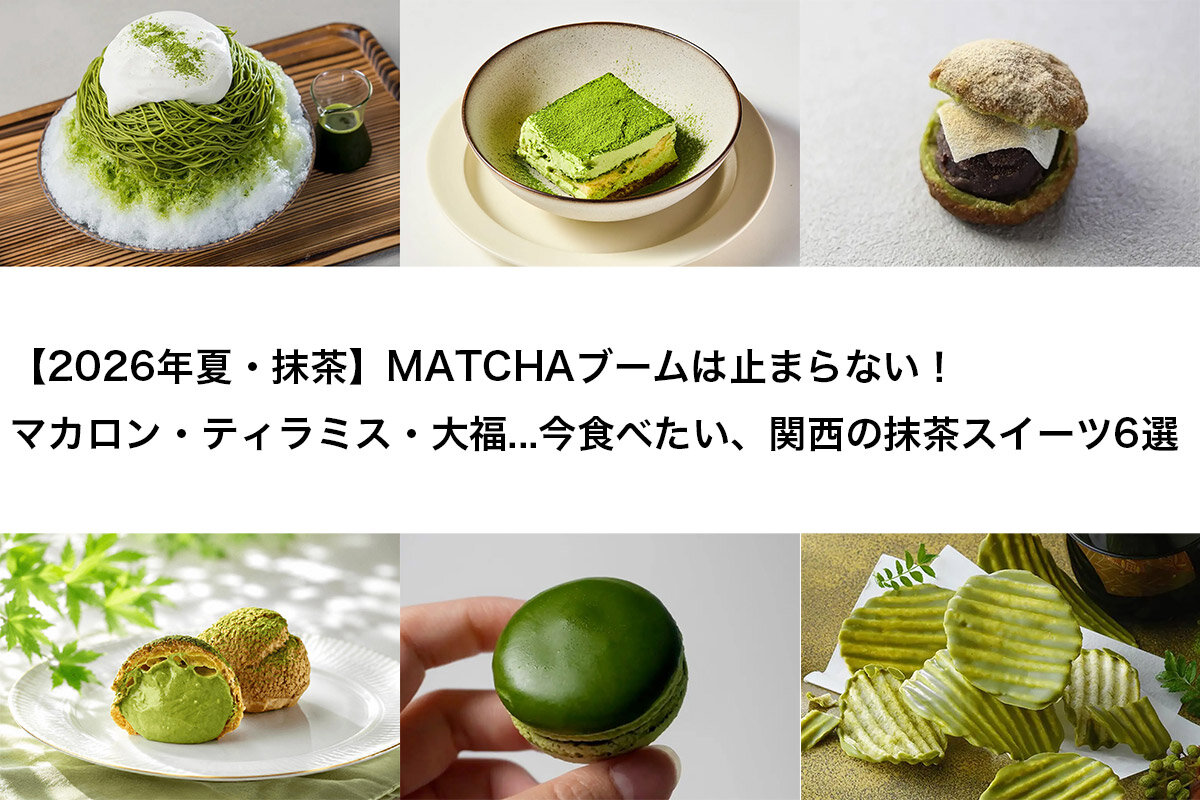
Quiet Moments with Matcha
It's early morning in Kyoto. You can imagine steam rising from a chawan as someone whisks 抹茶 by hand, the rhythm steady and strangely meditative. The reason is simple: preparing matcha this way focuses attention on aroma and texture, everything that makes the tea ceremony so tactile.
Unlike what we're used to with instant drinks, authentic matcha is stone-ground from tencha leaves. Uji, a city about 20 km south of Kyoto, has been famous for tea production since medieval times, and many specialty producers still mill tea there. See what I mean?

Matcha and Wagashi: The Perfect Pairing
Ever wondered why wagashi complement matcha so well? The sugar and texture of wagashi balance the bitterness of matcha, while their seasonal shapes and colours add visual poetry to a tea moment. The most common building blocks are 餅 (mochi), 餡子 (anko, red bean paste) and kanten, each offering a contrast to powdered green tea.
Types of Wagashi and What to Try
No joke: names like namagashi and nerikiri sound fancy, and they are. Namagashi are fresh, often highly seasonal sweets, while nerikiri is a kneaded bean paste used by artisans to sculpt tiny floral or seasonal motifs. My tip? Try a spring sakura-shaped nerikiri with matcha, then compare that to a winter yokan for contrast. Not bad, right?
On a related note, many small wagashi shops in Kyoto and Tokyo display the day's designs in the window, which is a simple way to learn seasonal vocabulary and practice reading labels. Personally, I keep a photo log and jot a two-word note in Japanese after each tasting; it's helped my memory more than flashcards alone.

Chizuko Mitsumori and Everyday Elegance
Speaking of which, I came across a quiet photo recently posted by Chizuko Mitsumori on LinkedIn that captures this exact mood. She photographed a humble pairing of matcha and a single wagashi, a reminder that beauty in Japan often lives in small, attentive moments. You can view the post here: Chizuko Mitsumori's LinkedIn post. Personally, moments like that help me remember vocabulary and cultural nuance better than a textbook example. See what I mean?
Let's be honest: not every matcha moment has to follow the full tea ceremony protocol of schools like Urasenke or Omotesenke. On the flip side, knowing some ceremony basics helps you appreciate why wagashi are shaped and served a certain way, even in a casual café.
Learning Japanese Through Taste
Plot twist: your taste buds can be a study aid. If you're learning Japanese, use tastings to anchor new words. Write the kanji and romaji for 抹茶|matcha and 和菓子|wagashi, and note the seasonal adjective used by the shop, like spring haru or autumn aki. The reason is simple: sensory memory sticks.

Insider tip: keep a tiny notebook for each tasting with three columns: taste, texture, vocabulary. What I especially like is pairing a brief audio note with the shop name; it helps with pronunciation, and you'll remember the shop next time you travel.
On a related note, if you visit Uji or Kyoto, many tea houses offer short experiences where they'll explain the utensils, the order of serving and common phrases you'll hear. These micro-lessons are great for learners because they give concrete context to grammar and polite forms.
Before I forget, try matcha straight first, then with wagashi, so you can taste how the sweet softens the bitterness. Personally, that contrast taught me more about flavour balance than any single explanation.
Frequently Asked Questions
What's the difference between matcha and regular green tea?
Matcha is powdered tea made from stone-ground tencha leaves and is whisked with water. Regular green tea is steeped from whole leaves and not consumed as powder.
Are wagashi always sweet?
Most wagashi are sweet, but sweetness levels and textures vary, from soft mochi to firm yokan.
Can beginners try a tea experience without dressing formally?
Yes, many tea houses offer casual sessions for tourists and learners where formal kimono or etiquette is not required.
Sources
- Chizuko Mitsumori LinkedIn post
- Urasenke Global Tea Culture Center - basic tea ceremony information
- Japan Guide - Uji and green tea overview