
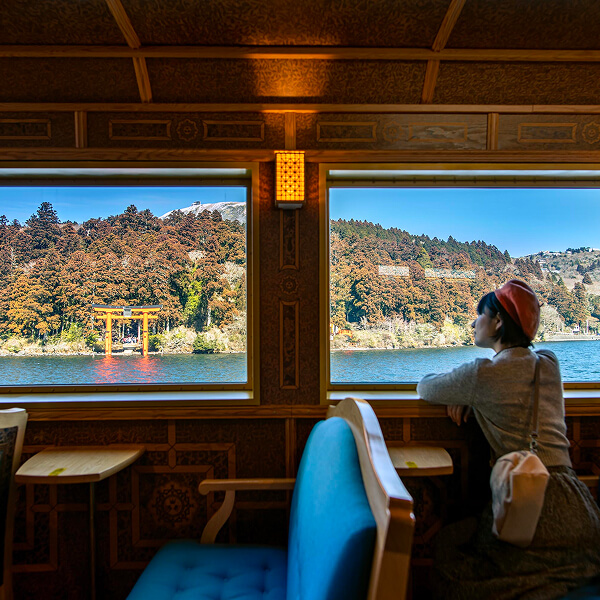
Route and practical details of the Hakone Ropeway
Fact: the official ropeway route links Sounzan and Togendai across roughly 4 kilometres, with stops at Owakudani and Ubako along the way. The reason is simple: the distance covers the volcanic valley of 大涌谷 and the shores above 芦ノ湖. Personally, I time the whole trip to take about 30 minutes one way, counting transfers and photo stops.



Stations, timings and transfers
Question: how do you actually ride it? You start at Sounzan, hop on for the first section to Owakudani, then continue to Ubako before ending at Togendai on Lake Ashi. To be fair, volcanic activity can close the Owakudani station, so check current conditions before you go on the Odakyu site. Odakyu Hakone Trip
Fares, passes and practical tips
Anecdote: I once tried to buy single tickets during Golden Week and queued for forty minutes. So, my tip is to bring a Hakone Free Pass if you're planning to explore Hakone for two days; it saves time and cash. Pro tip: start at Sounzan in the morning to avoid the crowds heading up from Togendai. My verdict? It's worth the small premium for stress-free travel.
Panorama, volcano views and Mt. Fuji
Direct address: look out of the right-hand cabin on clear days for the best Mt. Fuji views; you won't regret it. For example, when visibility is excellent, Mount Fuji sits framed over the lake, a classic photo that shows why this route is world famous. What I especially like is the way the landscape changes from dense forest to a raw, steaming volcanic valley as you approach Owakudani.
Owakudani's volcanic landscape
Fact: Owakudani formed around 3,000 years ago after Mount Hakone's eruption, and active sulfur vents still steam today. Speaking of which, the ropeway actually flies above fumaroles, so you get a unique aerial perspective of volcanic geology without having to hike. Wild, isn't it?



Seeing Mount Fuji from the ropeway
Here's the thing: visibility matters more than timing. Compared to back home, mountain weather in Japan changes fast, so cloud cover can hide Fuji even at midday. Pro tip: clear skies are most common in late autumn and winter mornings, so plan accordingly if Fuji is your main target. Personally, the early winter light gave me the best silhouette shots.
Language notes, culture and photography tips
Ever wondered why signs mix English and Japanese in Hakone? It's a tourist hub, so station signs show both languages and sometimes ロープウェイ next to 'Ropeway', making it a great place to pick up travel vocabulary. My tip is to learn station names like Sounzan, Owakudani and Togendai out loud; the slightly different rhythm helps when asking staff for directions. Personally, I repeat them on the ride to make them stick.
Photography and where to sit
Question: where should you sit for photos? Sit on the right heading from Sounzan to Togendai for Fuji, and switch to the left for better Ashi views on the return. Oh, almost forgot: bring a polariser to cut glare on sunny days. My verdict? Small gear tweaks make a big difference.
Safety, closures and etiquette
Anecdote: once the ropeway paused above Owakudani for ten minutes during a light closure, and the staff's calm announcements in English and Japanese kept everyone in good spirits. To be fair, volcanic alert levels sometimes limit access to Owakudani itself, but the ropeway often still runs partially. Highly recommended: check the Hakone Ropeway status before you leave, and respect queue lines and cabin limits.
Frequently Asked Questions
How long does the Hakone Ropeway take end to end?
Roughly 30 minutes one way, including the short transfer at Owakudani. Exact times depend on closures and waiting times.
Can I always see Mount Fuji from the ropeway?
No, visibility depends on weather. Clear autumn and winter mornings give the best chances.
Is Owakudani always open to visitors?
No, the volcanic area can close for safety when sulfur emissions rise. Check local notices before visiting.


