Kazuma Kaneko: the artist and his legacy
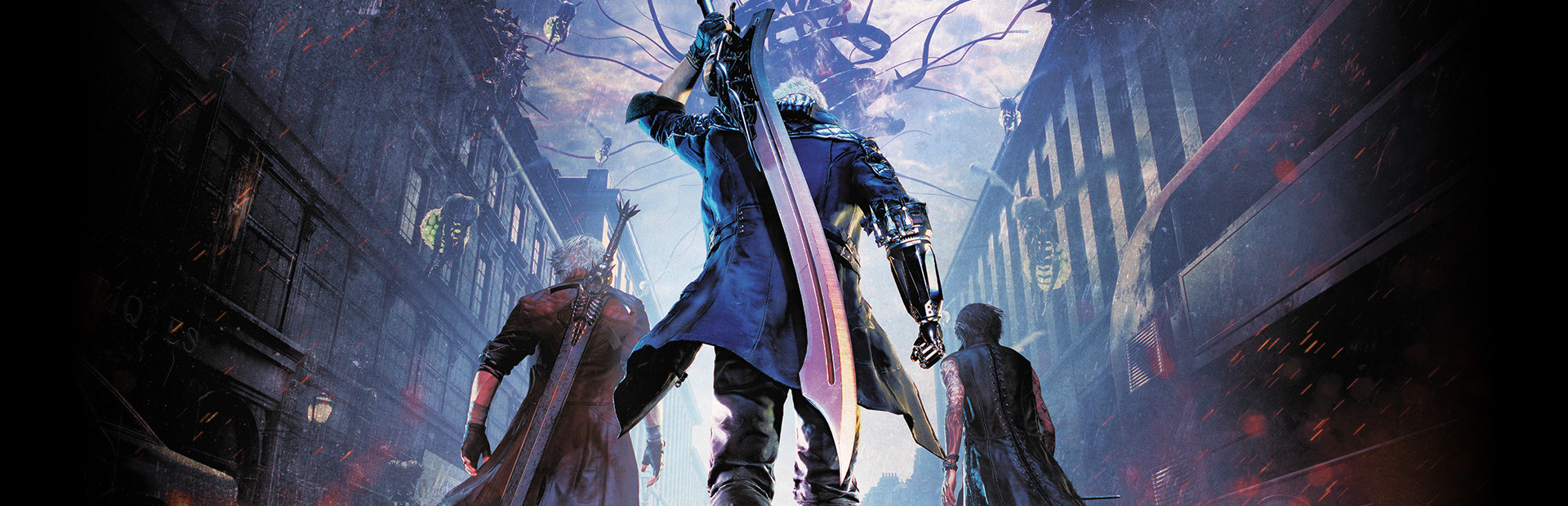
Question: who else could bring a distinct Atlus flavour to Capcom's gothic action series? Kazuma Kaneko has been a lead artist at Atlus since the late 1980s, famous for designing demons and characters in Shin Megami Tensei and contributing stylistic work to Persona titles. Trust me on this one: his line work, surreal demon motifs, and urban myth influences are instantly recognisable to anyone who follows Japanese RPG art. From my experience, seeing Kaneko take on Dante and Vergil feels like watching a famous ukiyo-e master sketch a modern samurai; it's simply brilliant.

![Startup Company [Console Edition] (Limited Edition)](https://s.pacn.ws/1/p/157/startup-company-console-edition-limited-edition-741799.16.jpg?v=ry4mm8&width=400)
![Startup Company [Console Edition]](https://s.pacn.ws/1/p/157/startup-company-console-edition-741779.10.jpg?v=ry4ngq&width=400)
What changed: Devil May Cry characters redesigned
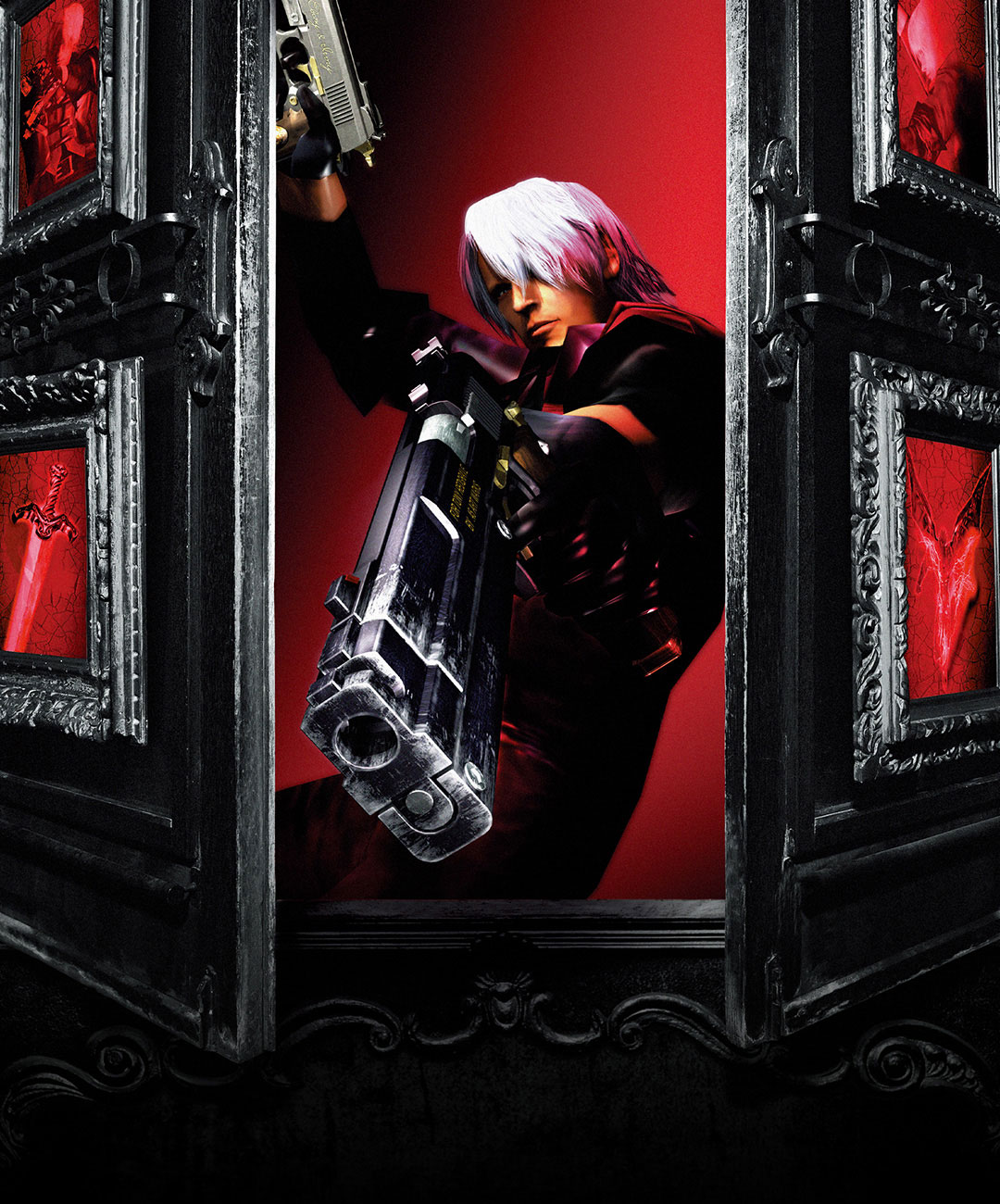
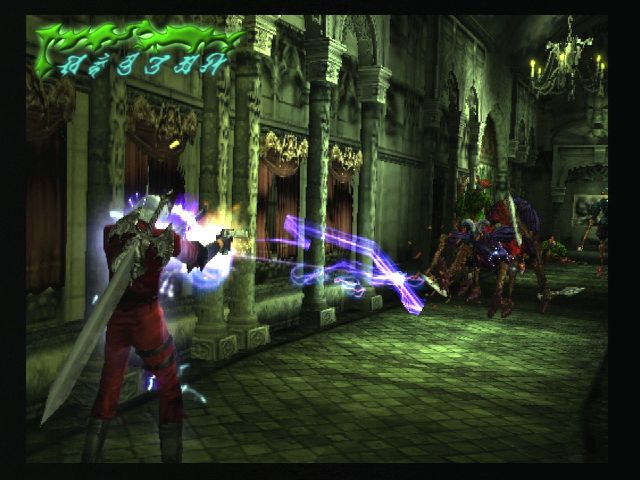
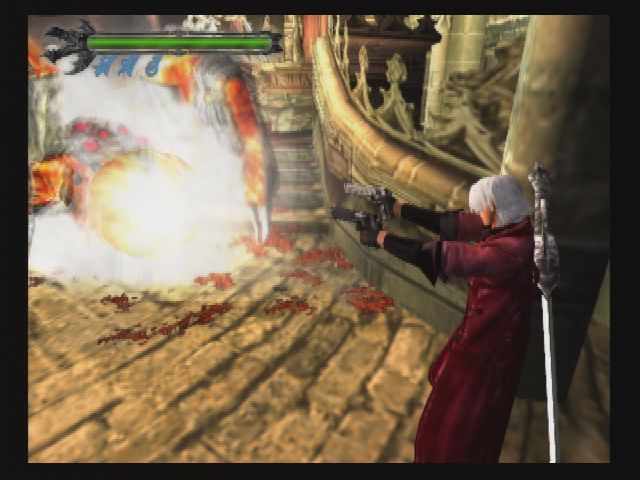
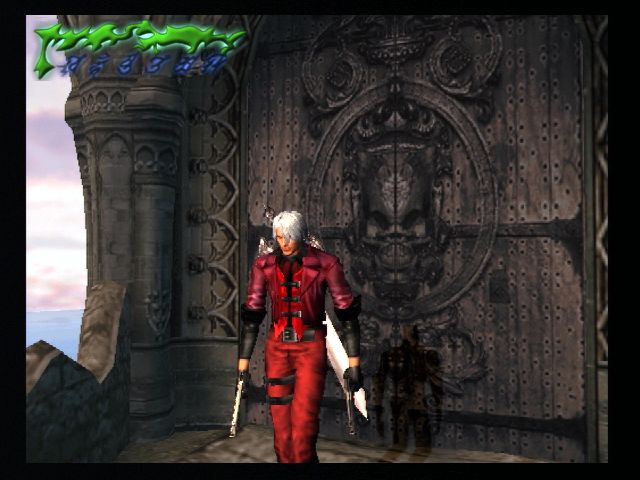
Here's the kicker: Kaneko's redesigns push Devil May Cry away from glossy Hollywood style and toward angular, myth-infused character art. Picture this: Dante with sharper silhouettes, layered clothing that hints at yokai themes, and colour palettes that echo Shin Megami Tensei's darker tones. A great example is Vergil's new look, which leans on ceremonial motifs rather than pure aristocracy, giving him a ritualistic presence. My tip? Compare the original 2001 Dante concept to Kaneko's version to really appreciate the artistic pivot. Convinced yet?

Specific design notes
Quick detour: Kaneko often uses mythological references, so expect demon-like accessories and symbolic patterns. The new art reportedly adjusts weapon designs too, making them look like relics rather than factory-made tools. The reason is simple: Kaneko layers cultural imagery into modern forms, so the visuals feel like a bridge between folklore and urban noir. Sounds good, right?
New Nintendo Switch game: what we know
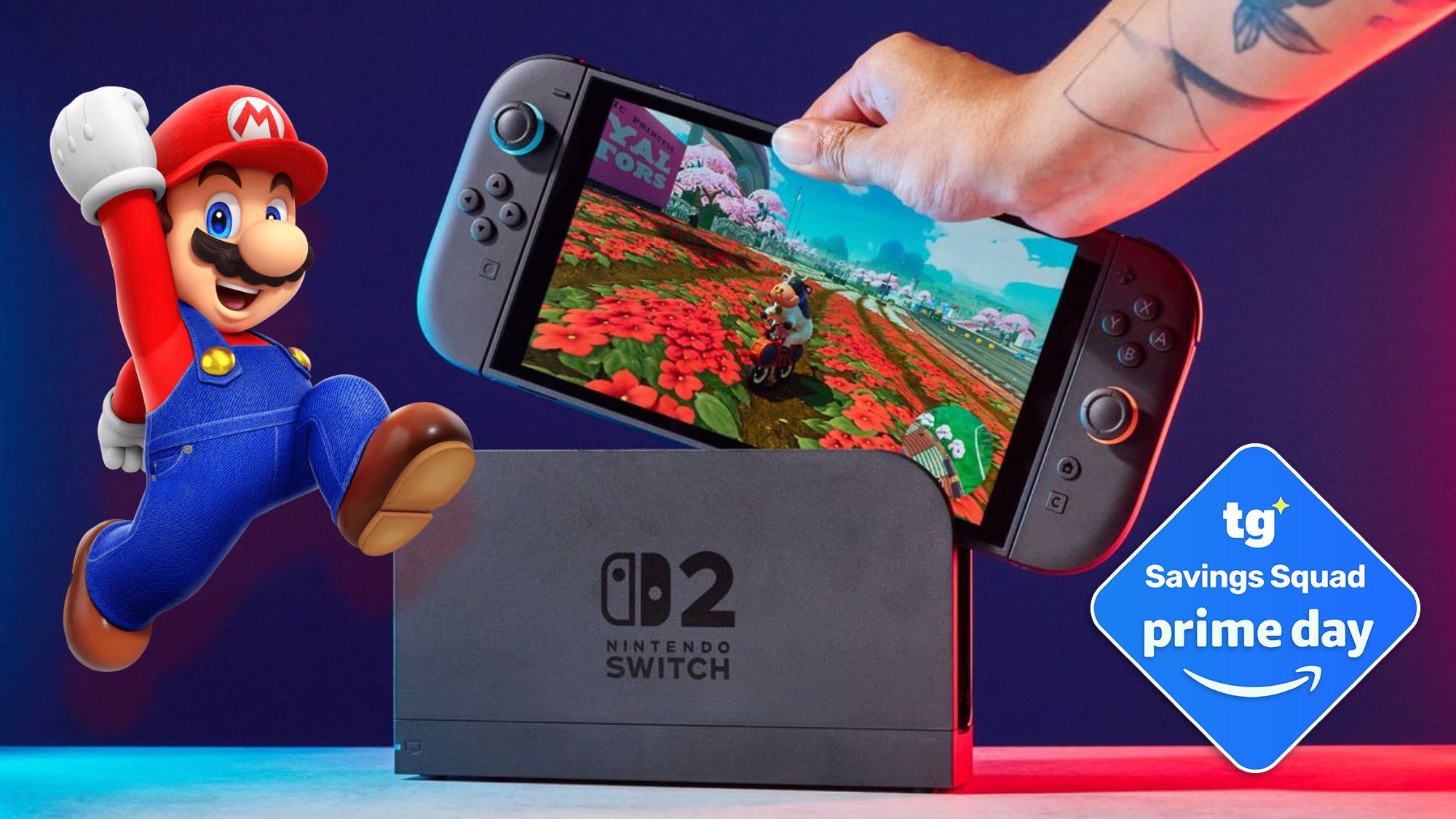
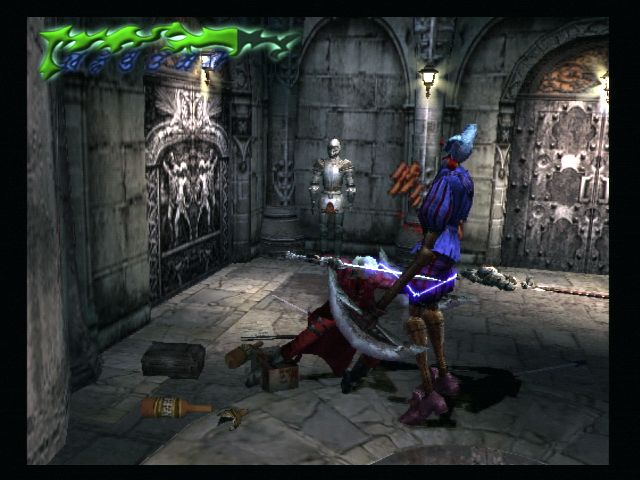
Fact: the redesigns surfaced in relation to a Nintendo Switch release that reworks classic Devil May Cry visuals for handheld play. The Nintendo Switch hardware launched in March 2017, and Capcom has ported or remastered many of its franchises to the platform. That reminds me: Capcom officially developed the original Devil May Cry in 2001, and a collaboration with a freelance or guest artist like Kaneko is unusual but not unheard of. Here's the deal: whether this is an official Capcom-sanctioned project or a creative collaboration promoted through an indie studio, the Switch audience is likely to react strongly because fans on the platform love both action games and stylistic remasters. From my experience, Switch players often celebrate unique art direction as much as gameplay.
Technical and release expectations
Ever wondered why a Switch rework matters artistically? The Switch's audience often prefers updated visuals alongside optimised performance. If the release targets 30 to 60 frames per second in docked mode, Kaneko's art will shine on both TV and handheld screens. Trust me on this one: art-driven ports can sell to collectors, and special editions with prints or art books are common in Japan and overseas, especially when an artist of Kaneko's stature is involved.
Persona and Shin Megami Tensei connections for Japan fans
It's early morning in Kyoto. You walk past a manga shop window and notice posters that blend modern pop culture and traditional imagery. That aesthetic is what Kaneko brings, and Persona and Shin Megami Tensei fans will feel at home. What I especially like is that Kaneko's palette and demon-inspired ornamentation add cultural depth, which also makes for great vocabulary practice if you're studying Japanese art terms. For example, words like yokai, oni, and kami appear often in discussions of his style, and learning them can enhance your appreciation of the designs.
Learning Japanese through game art
Here's the kicker: following a crossover like this is a fun way to learn Japanese vocabulary and cultural references. Look up terms such as otaku オタク and matsuri 祭り when the community starts discussing motifs, and you'll pick up context alongside visual cues. My tip? Write down new words in kanji 漢字 with romaji and a short English definition to remember them quicker.
Trust me on this one: the Kaneko x Devil May Cry mash-up is a cultural gateway for language learners and Japan fans, and it adds a fresh reason to study game-related vocabulary. From my experience...
In pictures

Frequently Asked Questions
Is this an official Capcom collaboration?
Short answer: reports link the redesigns to a Switch release, but check Capcom's official channels for confirmation.
Will the redesigns affect gameplay?
Short answer: art changes usually don't alter core mechanics, but special editions can include visual modes and new cutscenes.