

What many overlook is that TGS is rarely only about what gets shown, but about what gets framed together. Put these two titles beside a new Nintendo platform and you get a very clear message, one that Japanese game companies love to deliver without ever spelling it out. Very efficient. Slightly smug. Very Tokyo Game Show.
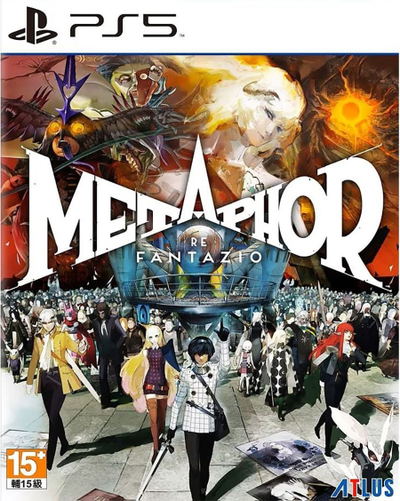

Persona 4 Revival is the headline here, but the real story is the pairing. Atlus bringing both Persona 4 Revival and Metaphor: ReFantazio to the Nintendo Switch 2 conversation at Tokyo Game Show 2026 tells you exactly how seriously the publisher is treating the platform. This isn’t random booth decoration. This is positioning.
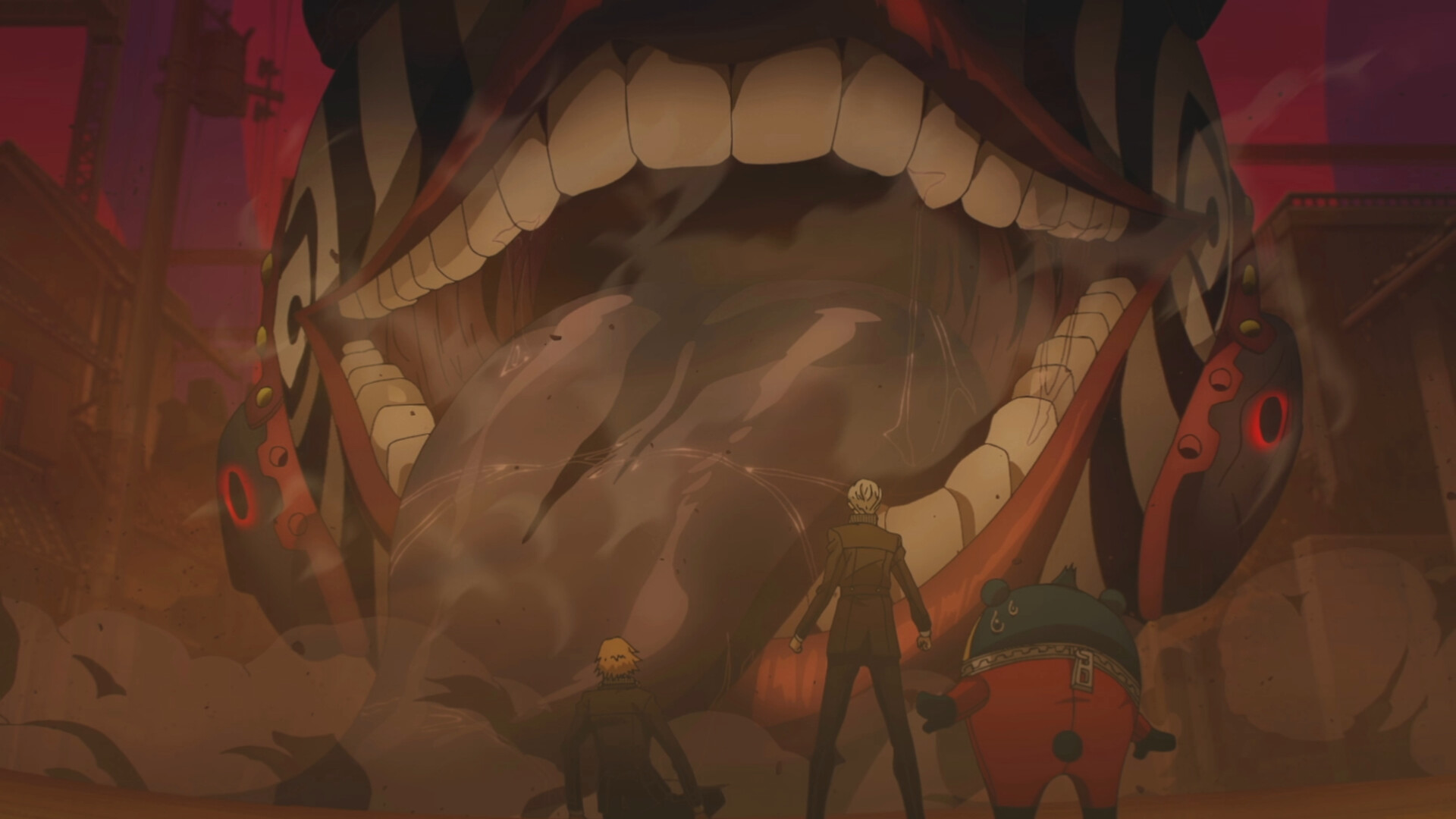
And it gets better: TGS is the perfect stage for that kind of move. The event has always been where Japanese publishers show domestic confidence first, then let the wider industry catch up. If you’re a Japanese learner, that’s worth noticing too, because the language around these announcements is often packed with terms like 新着 (shinchaku, new information) (new information), taito (lineup), and ブログ (burogu, blog) style hype that sounds grander in Japanese than it does in English. The structure matters. The wording matters. The context absolutely matters, too. Sounds good, right?
Persona 4 Revival: the obvious crowd-puller
Persona 4 Revival is the easy anchor because Persona is still one of Atlus’s most recognisable brands, even now. The original Persona 4 launched on PlayStation 2 in 2008 in Japan, and its later versions kept the game alive long past the usual shelf life for a JRPG. That matters at TGS, where nostalgia isn’t treated as a dirty word. It’s treated as a business model.

Here’s the kicker: a revival project lives or dies on audience memory. If the audience remembers Inaba, the cast, and the tone, Atlus doesn’t need to explain much. It only needs to show that the remake or remaster, depending on how the project is framed publicly, can stand up in practice, not just on paper. The reason is simple: Persona fans will forgive a lot if the pacing, art direction, and social-simulation rhythm feel right. They won’t forgive a muddy presentation or a hollow visual facelift. That part is never mysterious.
What I especially like is that Persona 4’s identity is strong enough to make a TGS reveal feel like an event instead of a checkbox. That’s rare. A lot of revivals are sold as if the title alone is the pitch. This one isn’t. It has to prove that the old structure still works in the present tense, with modern hardware expectations and a player base that has become much less patient with clumsy legacy design. From my experience... well, let’s keep it honest: franchises don’t get extra points for being beloved. They get judged harder.
Metaphor: ReFantazio is the smarter half of the package
Compared to back home, where announcements often get treated like isolated product drops, Japanese trade-show programming tends to work like a conversation between brands. Metaphor: ReFantazio is the intelligent second move here because it reinforces Atlus’s current creative identity, not just its nostalgic one. That game, developed by Studio Zero and released in 2024, already showed that Atlus can build a new fantasy RPG language without stapling Persona’s structure onto a different coat of paint.

To be fair: putting Metaphor beside Persona 4 Revival also helps Atlus avoid looking trapped by its own history. One title says, “We remember what people love.” The other says, “We can still build something new.” That balance is the whole trick. If you only lean on legacy, you look tired. If you only push new IP, you lose the audience that made the publisher valuable in the first place. Japanese game companies are usually better at this balancing act than they get credit for, and TGS is where you can see the method instead of just the marketing.
Why this matters for Japanese learners
Basically: if you follow Japanese game news, this is a useful example of how publishers frame intent. You’ll see words like 確定 (kakutei, confirmed) (confirmed) used very carefully, and you’ll notice how often official copy avoids overexplaining. That’s not emptiness. It’s deliberate control of tone. Pro tip: when you’re reading Japanese game announcements, pay attention to what isn’t said. Which platforms are named first? Which title leads the press image? Which game gets the bigger visual space? Those details tell you how the company wants the story read. See what I mean?
Nintendo Switch 2 and Tokyo Game Show 2026
No joke: the Nintendo Switch 2 angle is doing a lot of heavy lifting here. Even without every technical detail spelled out in the public framing, the platform name alone changes the stakes. Publishers are already thinking in terms of early adoption, install base, and whether a major JRPG can become part of the console’s identity instead of merely visiting it. That’s especially true for Atlus, which has spent years gradually widening its hardware reach beyond the old “one ecosystem only” pattern.
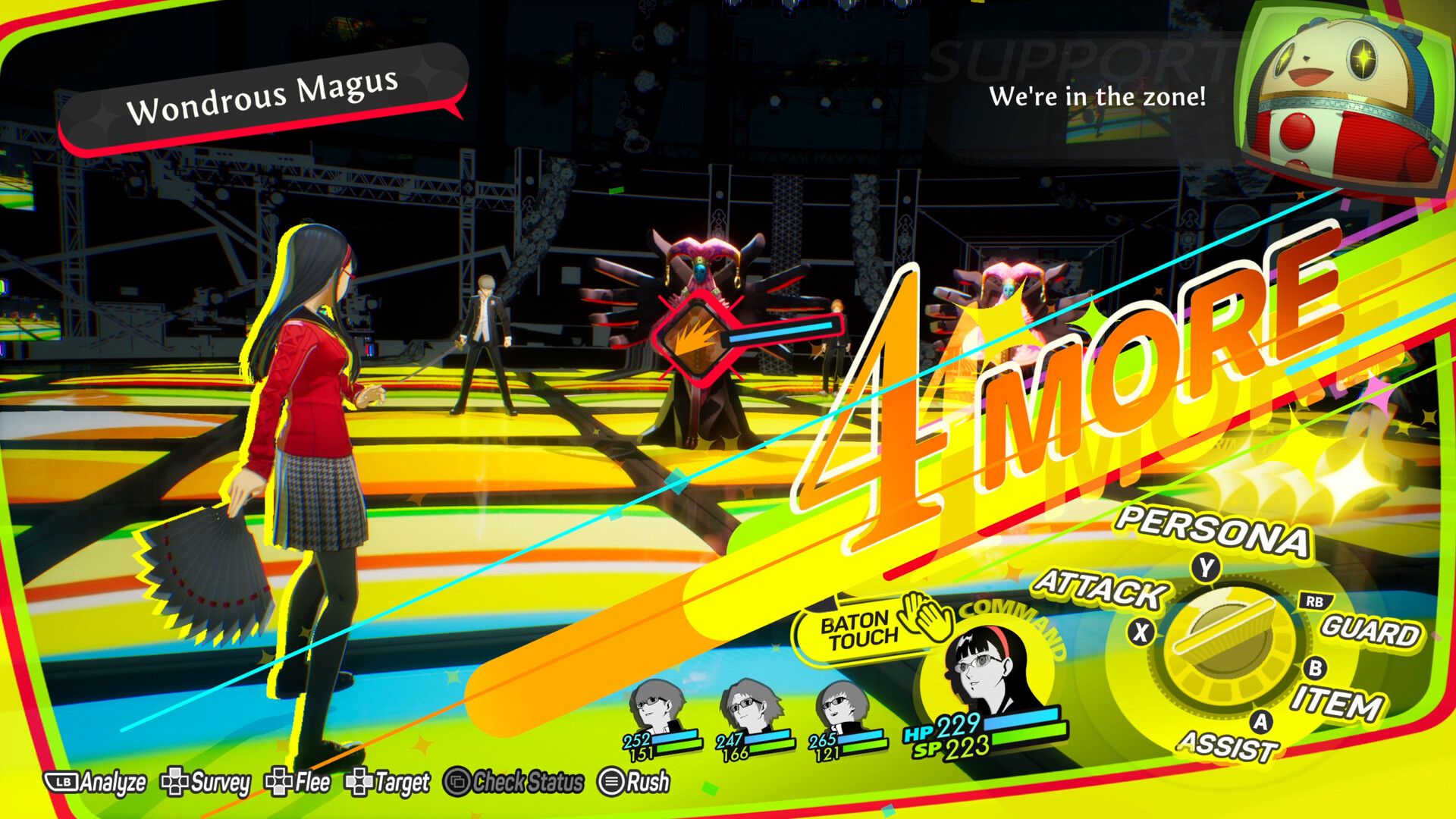
Tokyo Game Show 2026 gives that strategy a public stage with the right audience density. You get press, industry people, fans, and the whole theatrical machinery of Japanese game expos, where a single trailer can carry more weight than five corporate blog posts. And yes, the venue matters too. TGS is still one of the few places where a publisher can make a hardware and software statement at the same time without sounding awkward about it.
My tip: watch the order of announcements, not just the titles themselves. If Persona 4 Revival is used as the familiar hook and Metaphor: ReFantazio as the proof of forward motion, then Atlus is building a very deliberate narrative around Switch 2. It’s not subtle, which is fine. Subtlety is overrated when the audience already knows what you’re trying to do. Sounds weird, but it's true.
Which is why Persona 4 Revival and Metaphor on Nintendo Switch 2 at Tokyo Game Show 2026 feels bigger than a normal platform note, and now you know exactly why that is. more Japan news on jpnerd.com
Frequently Asked Questions
What is the main news here?
Atlus is using Tokyo Game Show 2026 to spotlight Persona 4 Revival and Metaphor: ReFantazio with Nintendo Switch 2 visibility.
Why does the platform matter?
Nintendo Switch 2 changes the audience expectation. It suggests Atlus is planning for a new hardware cycle, not just old-console loyalty.
Why are these two games being discussed together?
One title sells nostalgia, the other sells the present and future. That combination gives Atlus a stronger public message.


