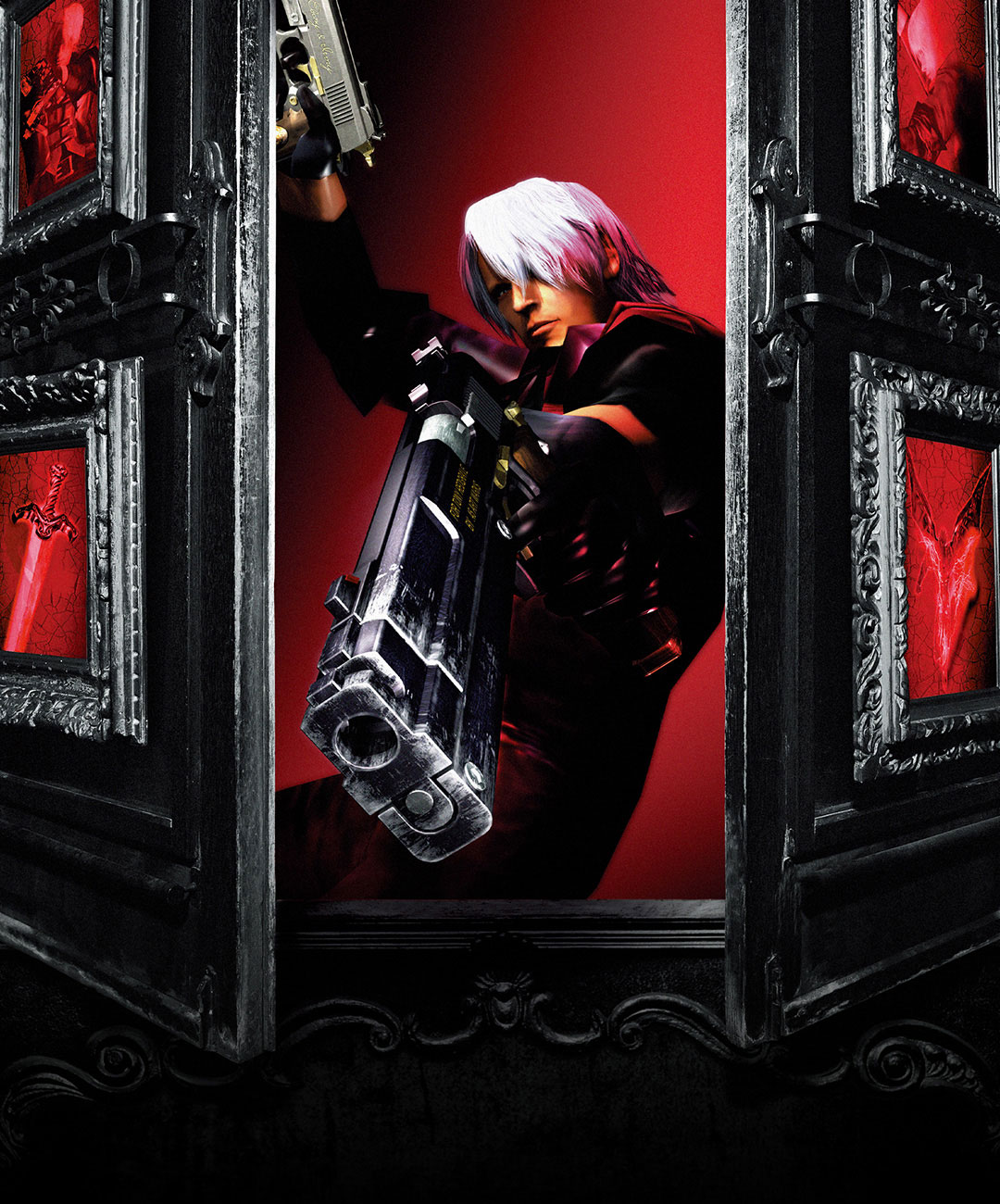
With ex-Capcom talent, Sega in the publishing mix, and a fresh role-playing project on the table, this is one to keep on your radar. And if you like Japanese game slang, the vibe here is pure 研究 (kenkyu, research / study) material.
![Dragon Ball Z: Kakarot [Master Edition]](https://s.pacn.ws/1/p/1eh/dragon-ball-z-kakarot-master-edition-908785.1.jpg?v=t8ja8t&width=400)


GPTRACK50 Brings Ex-Capcom Energy to a New RPG
Picture this: a new studio, a familiar creative pedigree, and a project that already has genre fans leaning in. GPTRACK50 is led by Hiroyuki Kobayashi, a name many players will know from Capcom, where he helped shape action-heavy series with big personality and sharp pacing.
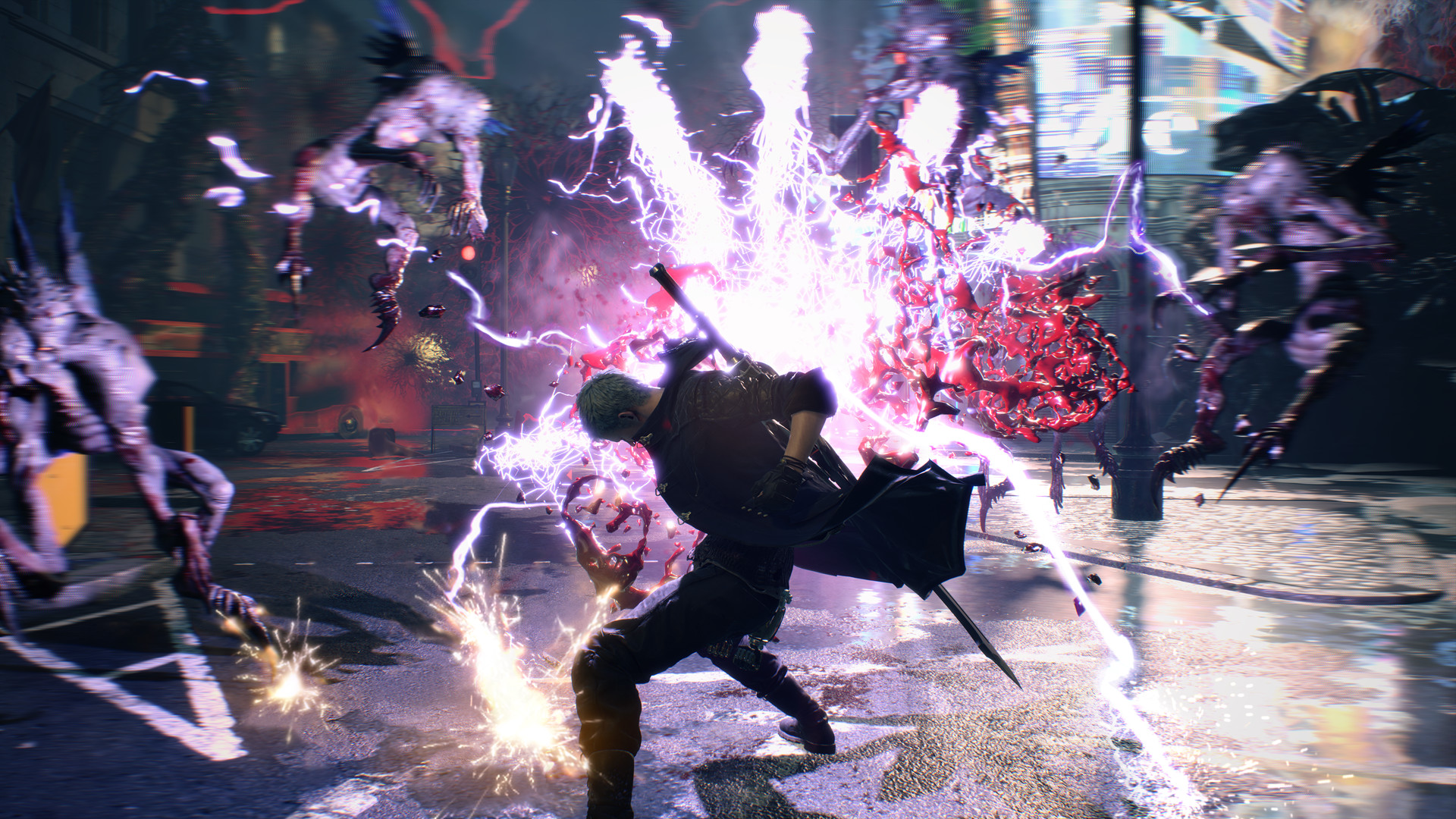
What makes this especially interesting is the team makeup. Kobayashi isn’t building from scratch with random hires, he’s working with ex-Capcom developers who know how to handle combat feel, timing, and stylish presentation. That matters a lot, because Japan's best action RPGs live or die on the tiny details, the hit pause, the animation lock, the way a skill lands.
Insider tip: if you follow Japanese game interviews, watch for words like 戦略 (senryaku, strategy), action, and RPG system. They often signal how the studio thinks about a project, and GPTRACK50 clearly wants something with structure, flair, and replay value. Personally, that already makes this far more interesting than a generic announcement.
Why Sega's Role Changes the Picture
Ever wondered why some projects suddenly feel more real once Sega’s involved? Here, Sega is listed as co-publisher, and that’s a meaningful detail. It suggests the game isn’t just a passion pitch, it has commercial backing, marketing muscle, and a clearer path towards release.
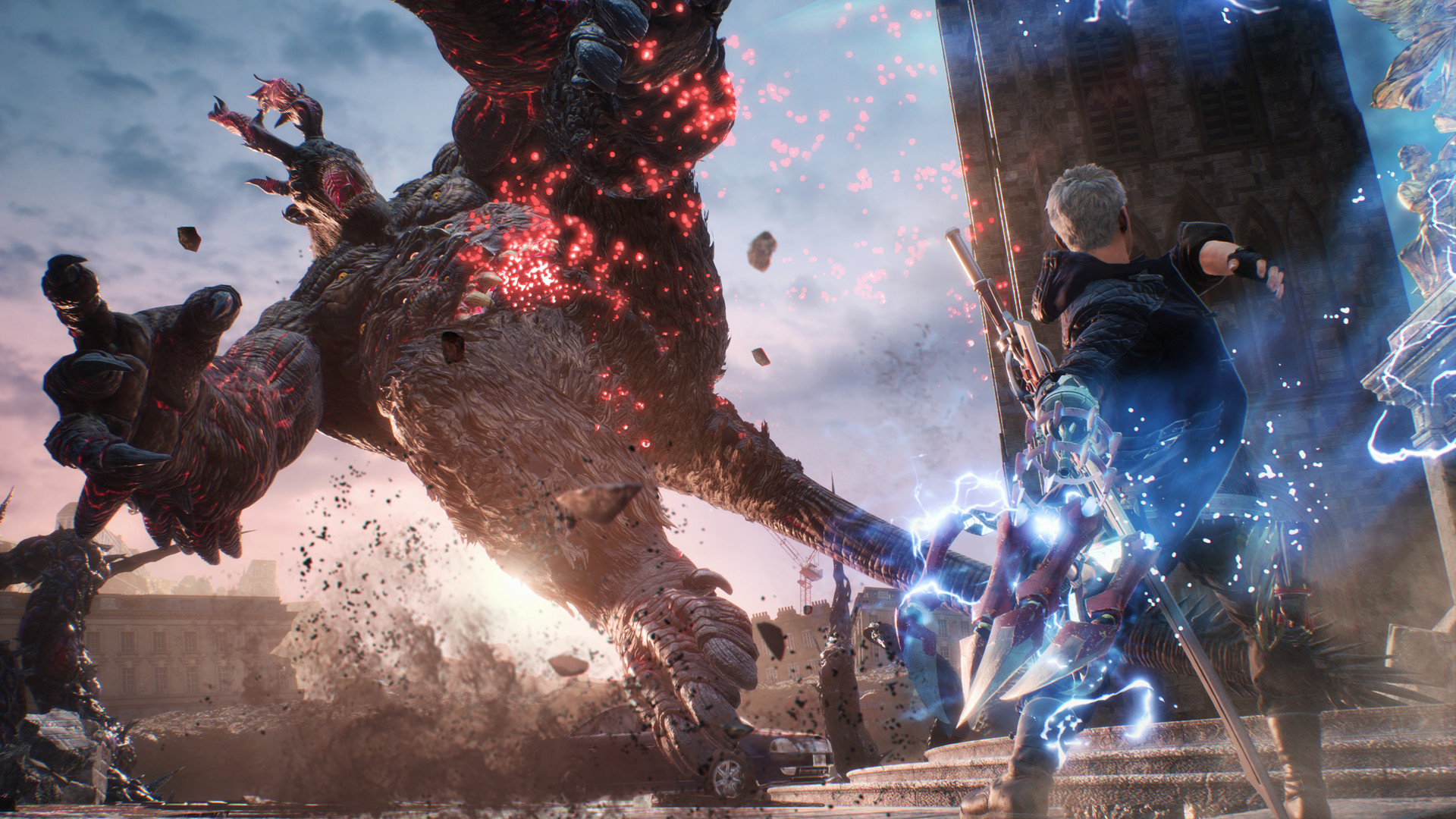
And it gets better: Sega has a long history with bold Japanese games that don’t play it safe. From Jet Set Radio to Persona's modern publishing home under Atlus, Sega-linked projects often carry a strong identity. So when Sega steps in, fans tend to expect something stylish, a little edgy, and confident enough to stand apart.
What many overlook: co-publishing can also shape how a project is positioned outside Japan. If Sega helps steer the release, that can mean better visibility in Western markets, stronger localisation, and more people discovering the game through trailers, showcases, and social media buzz. My tip: keep an eye on future events like Tokyo Game Show, because Japanese publishers often save their juiciest footage for the stage.
Why People Keep Saying Devil May Cry x Persona
Here’s the kicker: the comparison makes sense because it points to two different strengths. Devil May Cry brings fast, stylish action, while Persona brings modern Japanese RPG structure, character bonding, and an urban cool that feels very specific to Tokyo pop culture. Put those together, and you get a game idea that sounds like it was built for fans of both spectacle and systems.
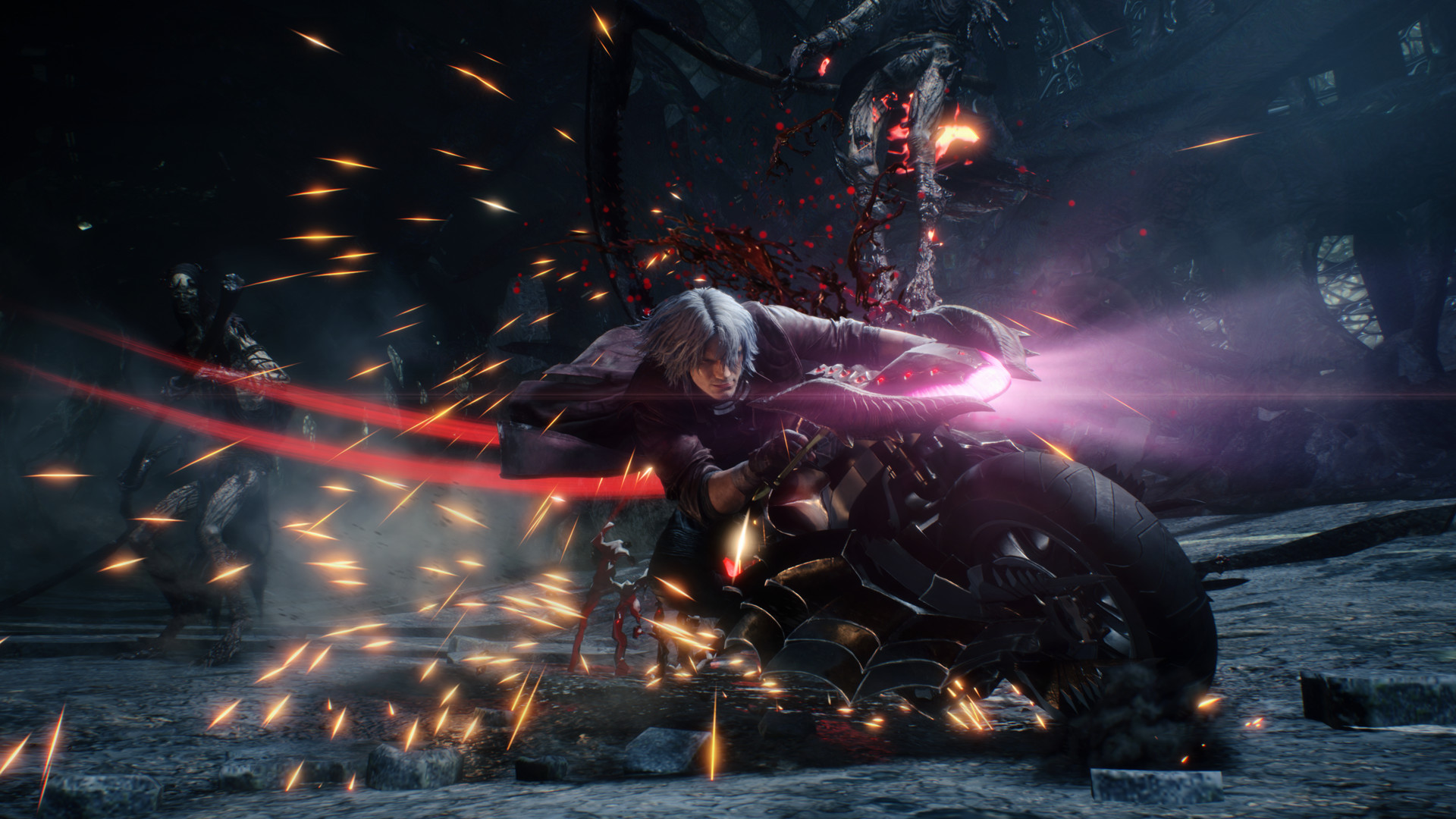
Action on one side, social flavour on the other
Imagine a narrow alley in Tokyo. Neon signs glow above you, combat bursts out in flashes, and then the story slows down for conversations, party dynamics, and the kind of everyday detail that makes a Japanese RPG feel lived-in. That balance is what makes the comparison so sticky.
It also helps that both series are known for highly readable style. Devil May Cry is all about cool, aggressive momentum. Persona leans into calendars, school life, and emotional character arcs. A new RPG that borrows from both could appeal to players who want a little 少年 (shonen, boy / young boy) energy, a little slice-of-life rhythm, and a lot of polish. My verdict: if GPTRACK50 nails that mix, the result could be brilliant.
What Japan Fans Should Watch For Next
Speaking of which... the most important question is not just what the game looks like, but what kind of RPG it actually is. Action RPG? Character-driven story game? Something with progression systems borrowed from Japanese dungeon design? We don’t know yet, but the ex-Capcom DNA points towards tight mechanics rather than loose experimentation.
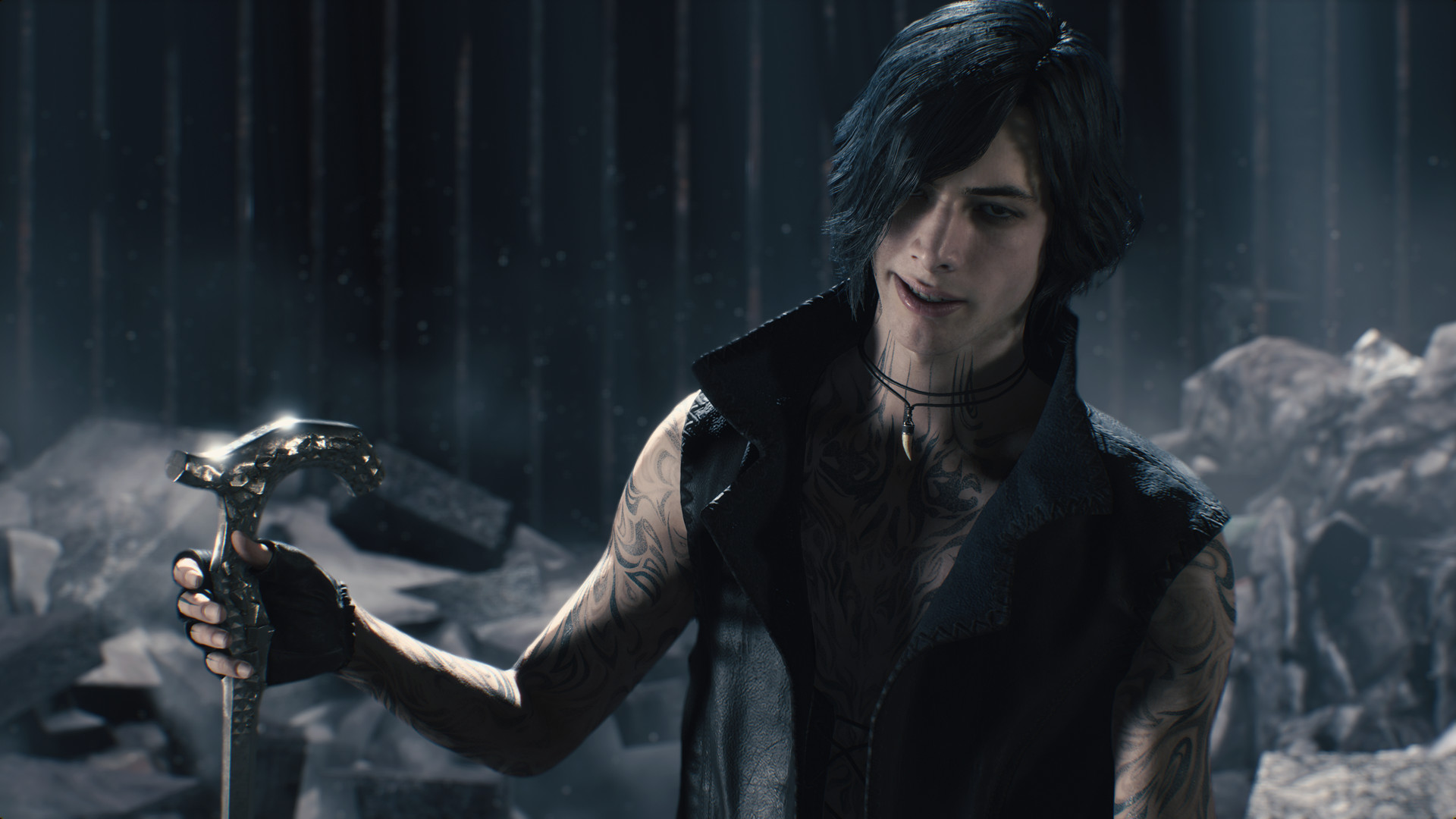
Oh, almost forgot: this is exactly the kind of project that can teach Japanese learners a few useful words too. Try listening for 連鎖 (rensa, chain / combo), which often refers to combos, and システム (shisutemu, system), which shows up constantly in game talk. If a future trailer drops with Japanese subtitles, it could be a great mini-study session, especially for fans who already know terms like ライト (raito, light), 闇 (yami, darkness), or キャラ (kyara, character) from game discussions.
But let’s stick with the big picture for now. GPTRACK50 has talent, Sega has reach, and the Devil May Cry x Persona comparison gives the project instant identity. That’s a strong start. From my experience, that kind of first impression matters a lot in Japan's crowded game market, where dozens of RPGs fight for attention every year.
For jpnerd.com readers, this is the sort of announcement that hits both sides of the hobby. You get a real Japan-game story, and you get a chance to spot how modern Japanese game culture keeps remixing familiar ideas into something new. Personally, I’m watching this one closely, and I suspect a lot of other fans will too. Highly recommended.
Frequently Asked Questions
What is GPTRACK50?
It is a game studio led by Hiroyuki Kobayashi, built with former Capcom developers.
Why are people comparing the game to Devil May Cry and Persona?
Because it seems to combine stylish action with character-driven RPG elements.
Who is publishing the game?
Sega is involved as co-publisher.