For Japan fans, this is the kind of seasonal event that also teaches a bit of food vocabulary, from 牡蠣 (kaki) for oyster to pop-up-style fair wording that appears often in Japanese news releases. The location matters too, because HAT Kobe is an easy reference point for anyone exploring Kobe beyond the usual Sannomiya and harbour-area stops.
East Japan oysters arrive in Kobe for a limited run
An East Japan oyster hut will open in Kobe from November 28 to December 23, and the pop-up is set at HAT Kobe, according to the official announcement. The headline number is the price: selected raw oysters are offered at 390 yen, which makes this a very direct, event-style food promotion rather than a general restaurant opening.
That kind of temporary setup is common in Japan, especially for seasonal seafood campaigns. Here, the focus is on East Japan oysters, so the appeal is both regional and practical, a short-term chance to try oysters with a clearly stated price and a fixed address.
Why HAT Kobe is a smart location
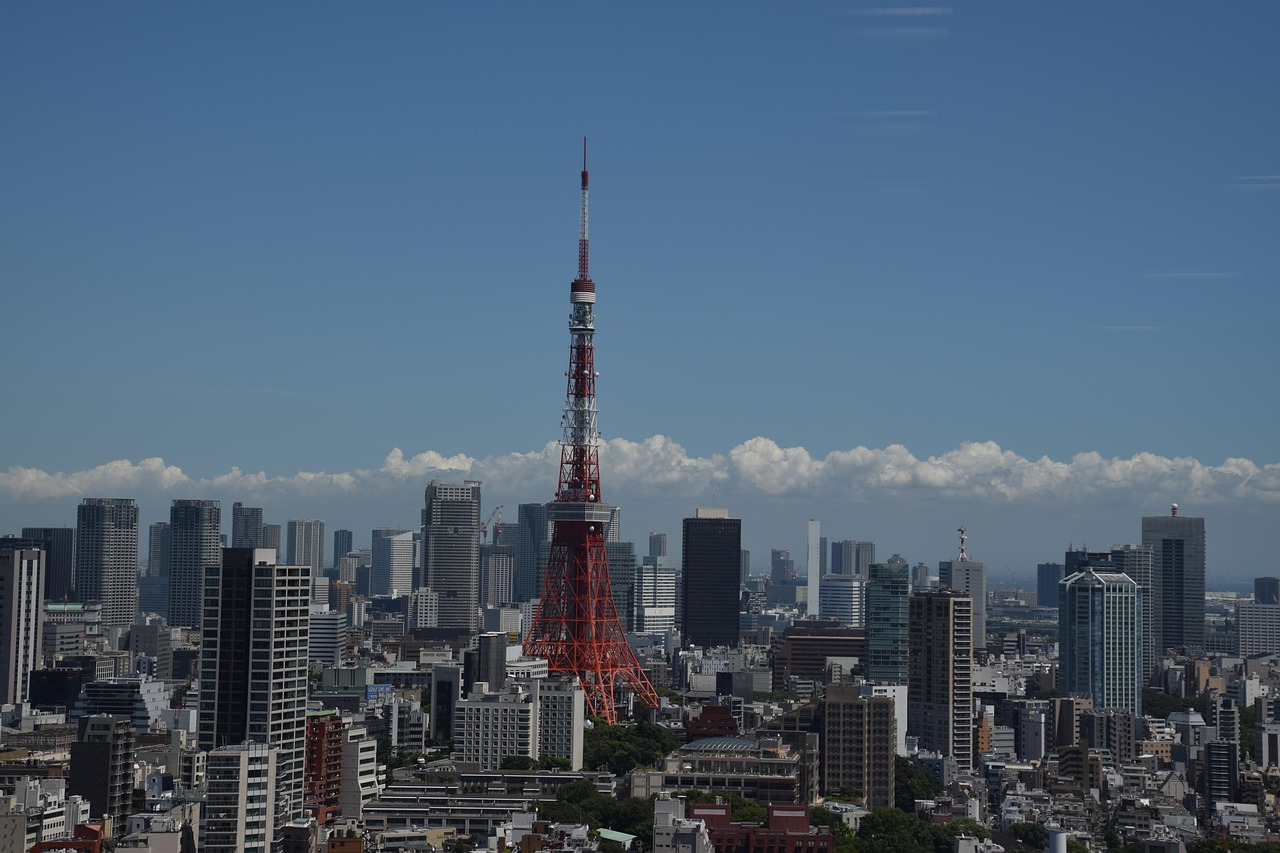
HAT Kobe is a waterfront area in Kobe, and it works well for a pop-up because it is easy to reach, open in feel, and tied to the city’s port identity. Kobe itself already has a strong food-and-sea image, so an oyster hut fits naturally into the local setting.
For visitors, HAT Kobe also gives the event a clear destination. You're not looking for a hidden alley stall or a one-day market corner, you're going to a named district in a city that many Japan fans already know for its harbour atmosphere, night views, and easy access from central Kobe.
What the event means for Japanese learners
Events like this are handy for language learners because the wording is simple and useful. The key term is kaki, which means oyster, and you’ll see it often in restaurant menus, fair notices, and seasonal promotions. Temporary pop-ups are also a good reminder that Japanese event language tends to be compact, with dates, place names, and product details placed up front.
There’s also a nice cultural pattern here. Japan's food campaigns often highlight origin, season, and a clear price in one line, so even a short press release gives you several useful reading clues at once. If you’re practising Japanese, this is exactly the kind of real-world text that helps you connect vocabulary to everyday dining culture.
Should you go if you are in Kobe
What I especially like is the clarity of the offer. You know the location, you know the dates, and you know the starting price, so there’s no guessing about whether this is a broad seafood festival or a tightly focused oyster event. That makes planning easy, especially if you’re already spending time in Kobe.
If you enjoy regional food events, this one is worth noting because it’s short and specific, not a vague seasonal recommendation. The limited schedule, from November 28 to December 23, also means it sits neatly in the late-autumn to early-winter eating season, when oyster promotions tend to get extra attention.
Frequently Asked Questions
Where is the East Japan oyster pop-up in Kobe?
It is at HAT Kobe, a waterfront area in Kobe.
When does the event run?
It runs from November 28 to December 23.
How much are the oysters?
Selected raw oysters are priced at 390 yen according to the official release.