What matters most is pacing. School-age children can handle a fair amount of distance, but their attention and mood often run out before their legs do, so a mid-afternoon break is part of the plan rather than an optional extra.
Why southern Tohoku works well for a family drive
Southern 東北 (Tohoku, northeast Japan) gives you a rare mix: enough space to feel like a proper road trip, but not so much driving that the day turns into a long endurance test. The main appeal is that you can link cities, hot spring areas, mountains and the Pacific coast without constant backtracking, which keeps the trip practical for families.
According to japan-guide.com, the recent family road trip report focused on southern Tohoku as a place where the road network and sightseeing rhythm suit kids better than a packed urban itinerary. That lines up with what family travel writers often point out about Japan: school-age children usually cope with the kilometres, but not with too many consecutive activities. My tip: plan each day around one anchor stop, then treat everything else as bonus scenery.
For Japanese learners, this region is useful vocabulary territory too. You’ll see words like onsen for hot springs, 山 (yama, mountain) for mountains and 海 (umi, sea) for sea in local place descriptions, menus and tourist signs. Those simple words help a lot when you’re navigating family travel in Japan, because the landscape itself often tells you what kind of stop is coming next.
Build the day around breaks, not just destinations
The biggest practical lesson from family road trips in Japan is timing. Lunitravels, in its guide to Japan with school-age kids, makes a sharp point: the cognitive budget of a child often disappears faster than physical energy, and families who find the trip manageable usually protect the mid-afternoon rest block instead of treating it as optional. That advice fits southern Tohoku especially well, where scenic drives can make it tempting to push on to one more viewpoint.
On a family route, a simple pattern works best. Drive in the morning, stop for lunch, slow down in the afternoon, then arrive at your ryokan or hotel early enough that everyone can reset before dinner. If you’re travelling with kids, that calm landing matters more than squeezing in one extra attraction. Japan’s family-friendly stays often support this rhythm with bigger rooms, baths and dinner plans that remove decision fatigue for adults.
What many overlook is that road trips in Japan aren’t just about famous sights, they’re also about convenience culture. Service areas, roadside stations and compact town centres make it easier to get snacks, bathrooms and quick stretches without turning the day into a logistical puzzle. That’s especially helpful when a child’s energy drops suddenly and you need a fast reset rather than a perfect plan.


Places and landscapes that fit a slower pace
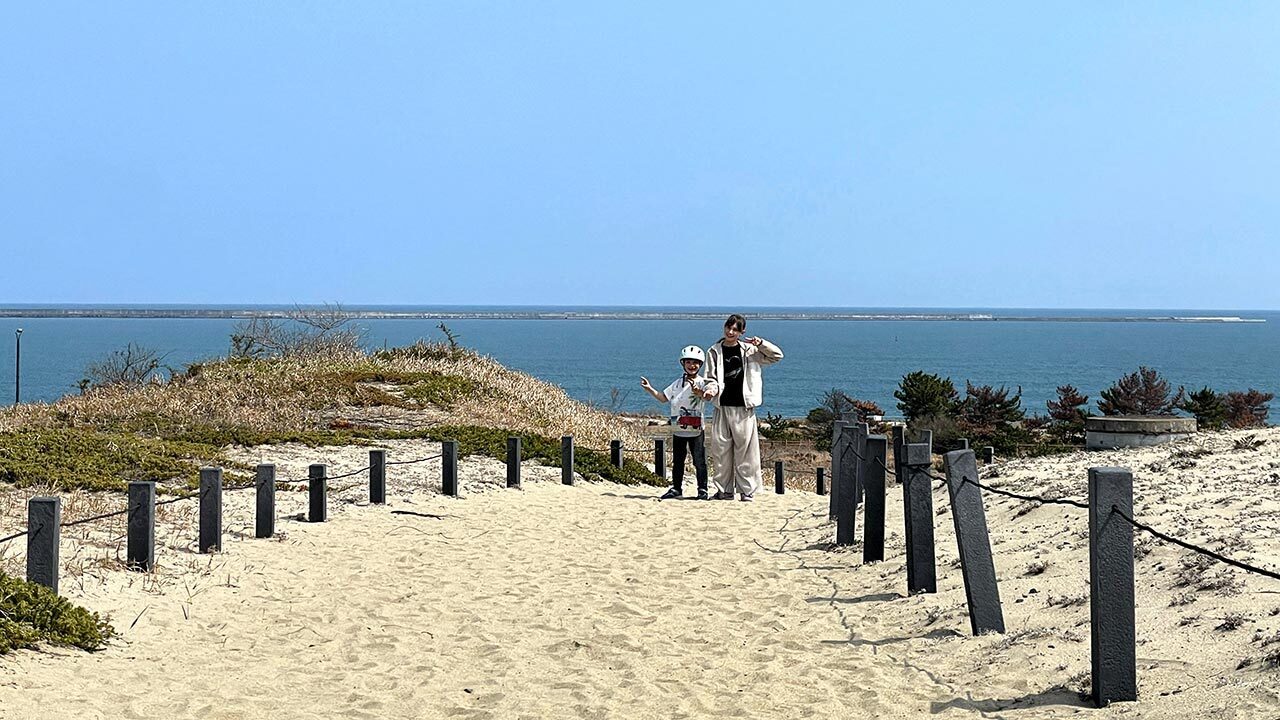
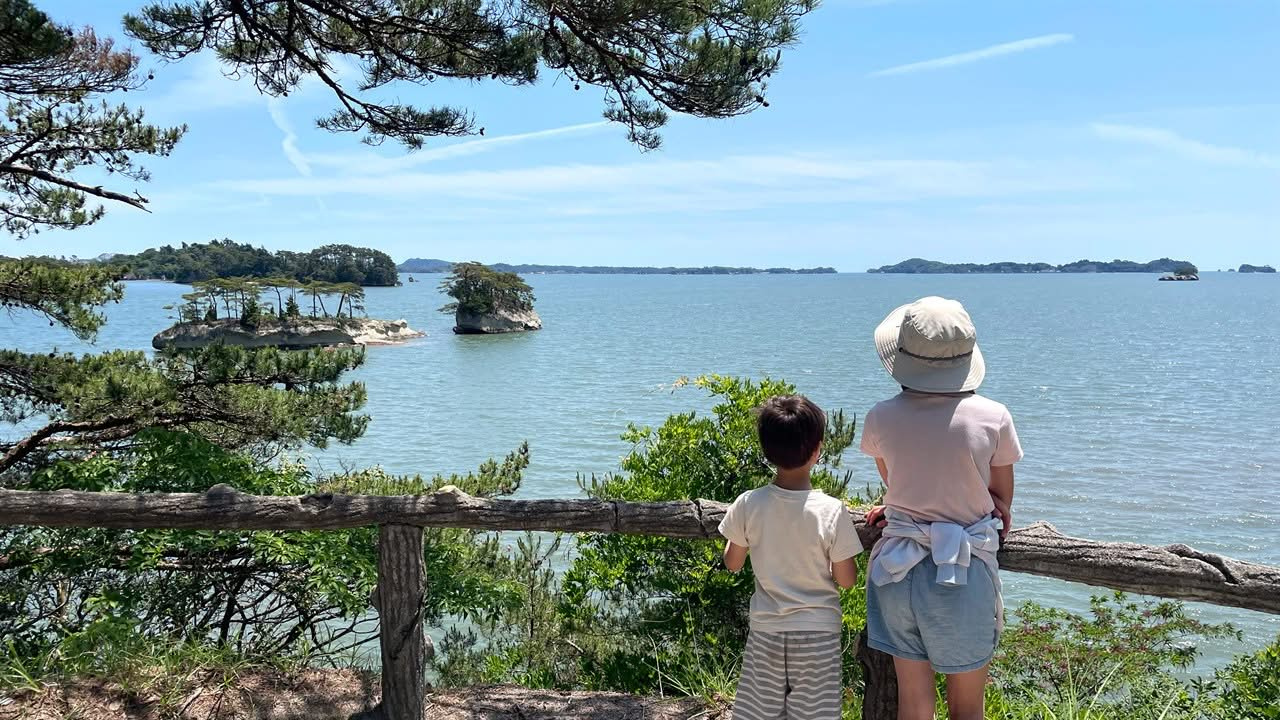
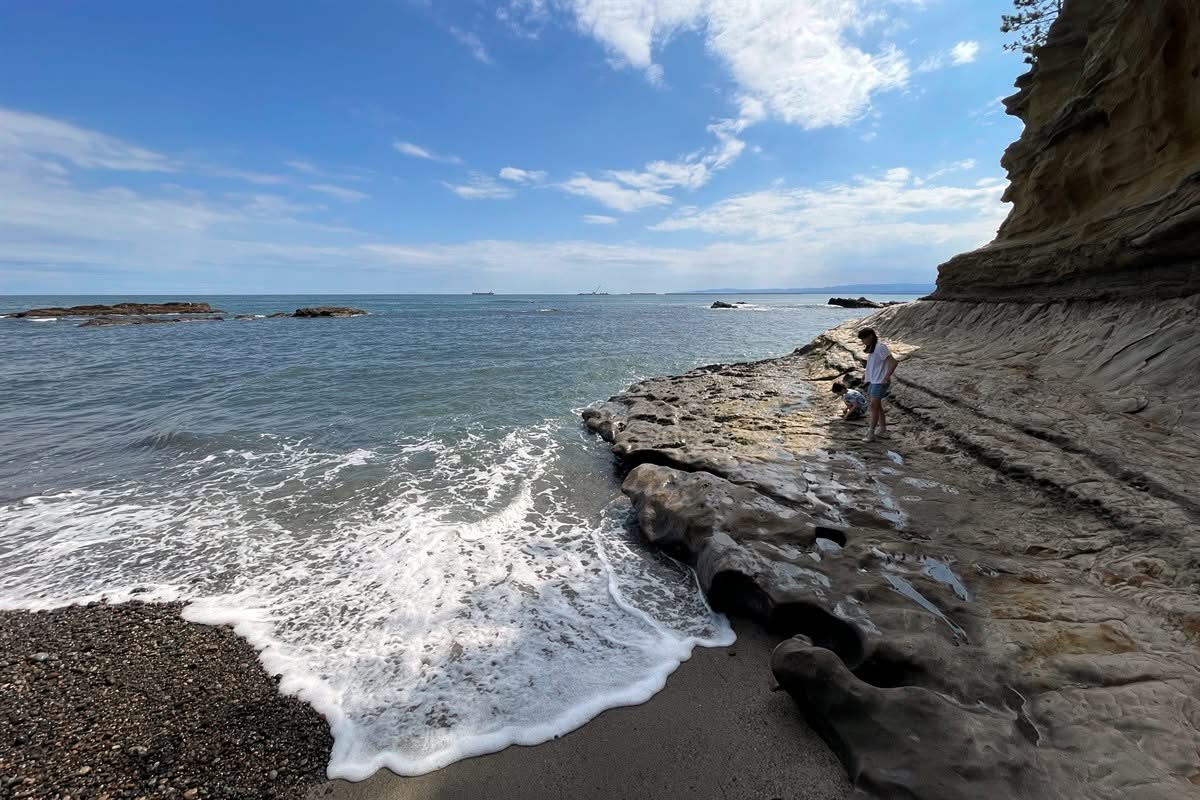
Southern Tohoku is strongest when the route includes a mix of coast and inland scenery. The Pacific edge of the region is closely tied to the Michinoku Coastal Trail, which Lonely Planet highlighted for its dramatic natural beauty and warm welcomes. Even if your family isn’t hiking long stretches, the coastline helps break up mountain driving and gives kids a clear visual contrast between sea cliffs, fishing towns and open horizons.
Inland, Yamagata and neighbouring areas bring a different kind of reward. Autumn foliage, high cliffs and broad valleys can make even a short stop feel memorable. Stripes Japan, in its Tokyo autumn hiking guide, points to Mount Tanigawa’s Ichinokurasawa as a place where the rocky mountains alone are worth the visit, and the beech trees turn vivid under a steep cliff. While that specific trail is more serious than most family outings, it shows the kind of dramatic terrain that makes the wider region worth a road trip detour.
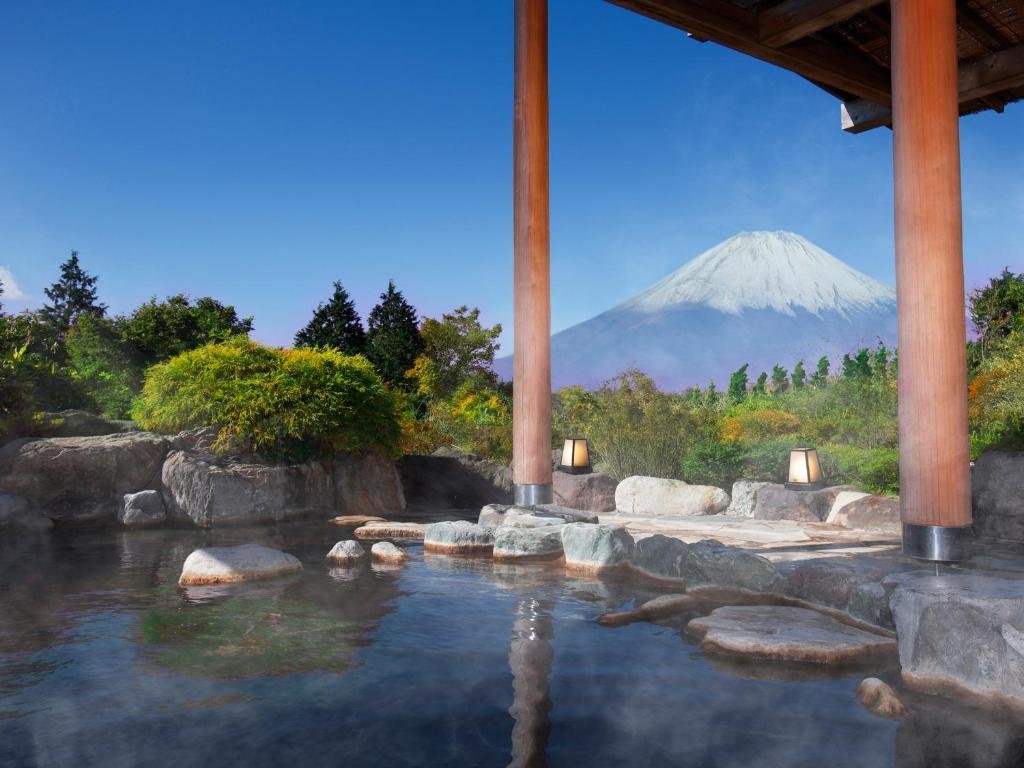
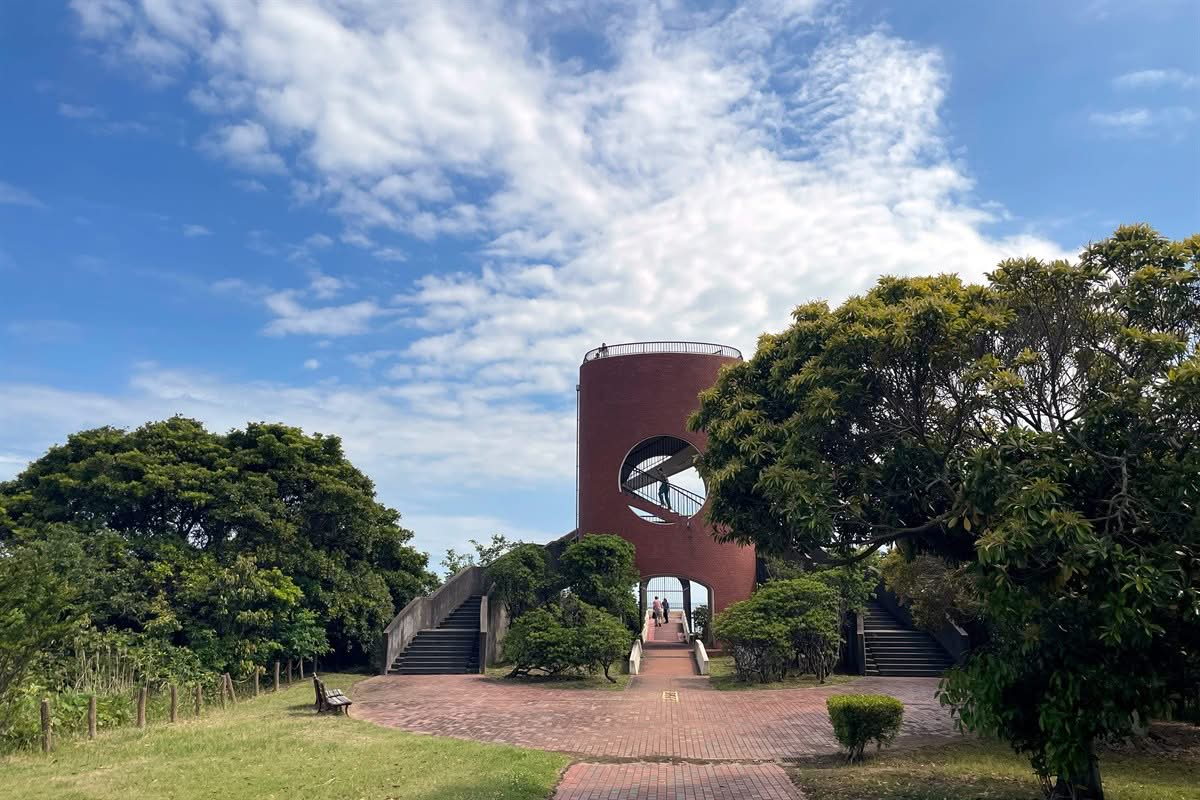
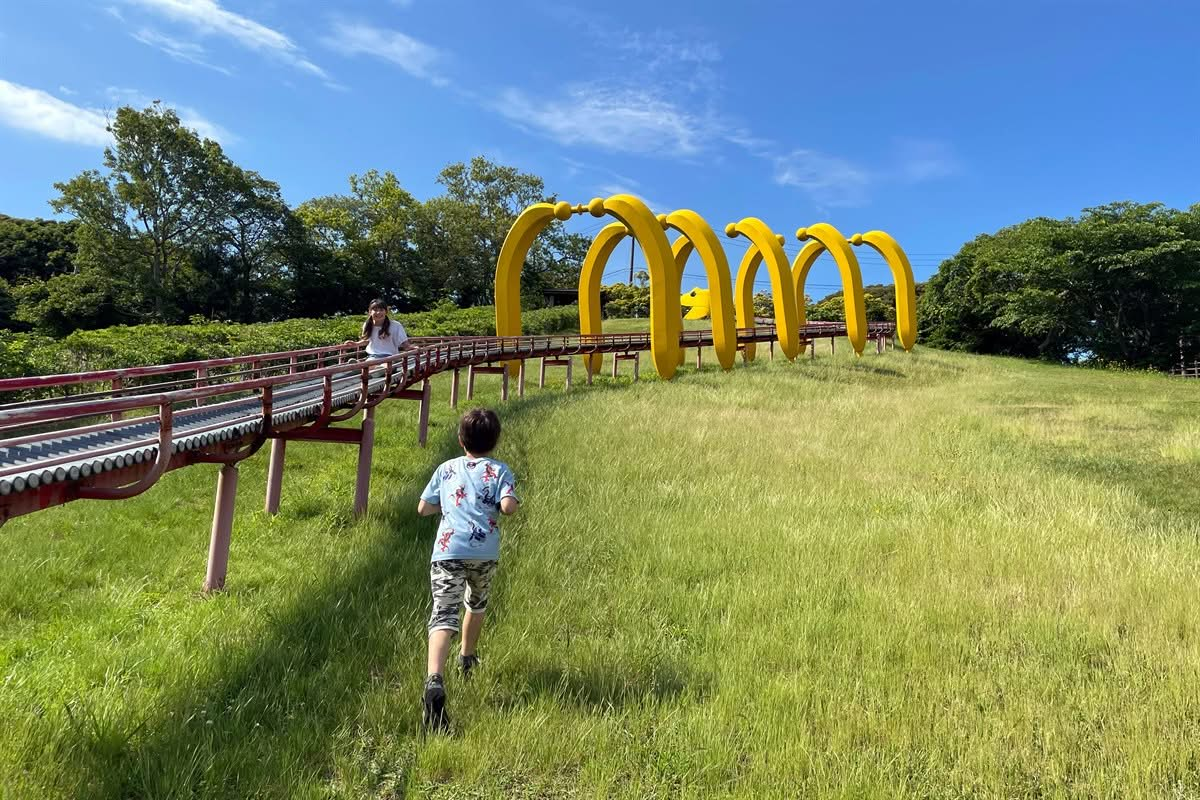
For families, the key is to choose places where the scenery does some of the work. A child doesn’t need a full museum day to remember a trip, especially when the drive itself already feels different from home. A coast stop, a ropeway, a lake view or a hot spring town can carry a day without demanding too much walking.
How to keep the trip comfortable for children
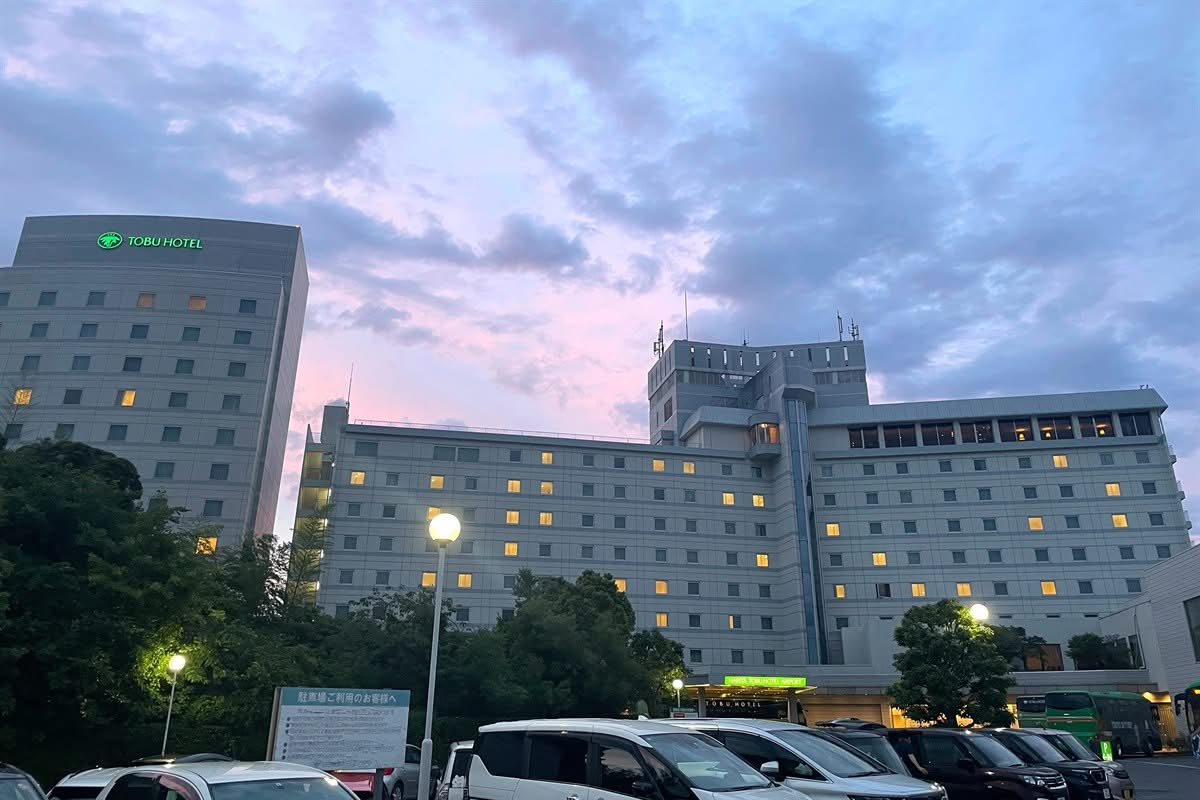
Comfort starts with sleep, food and realistic driving distances. The most usable family itineraries in Japan usually avoid too many one-night stops, because unpacking and repacking every evening is exhausting for everyone. If you can stay two nights in one place, that often makes the whole route feel calmer, even if the map looks less ambitious.
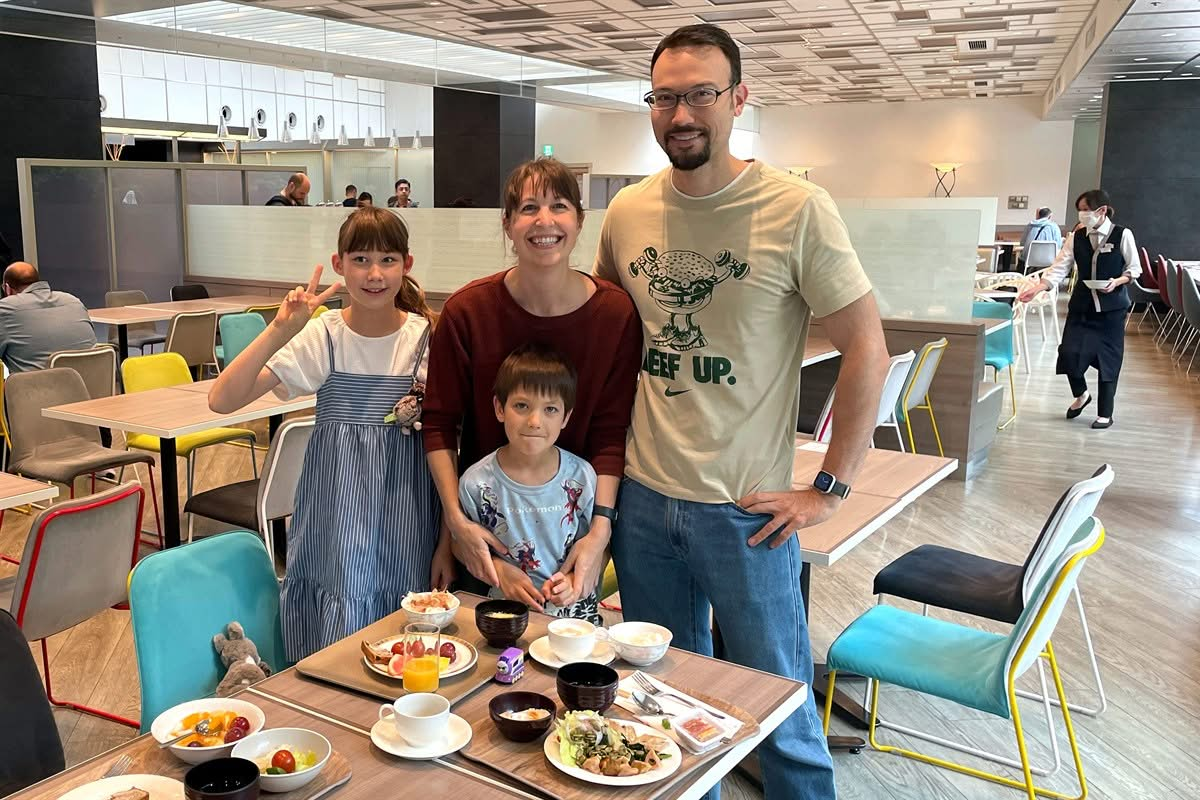
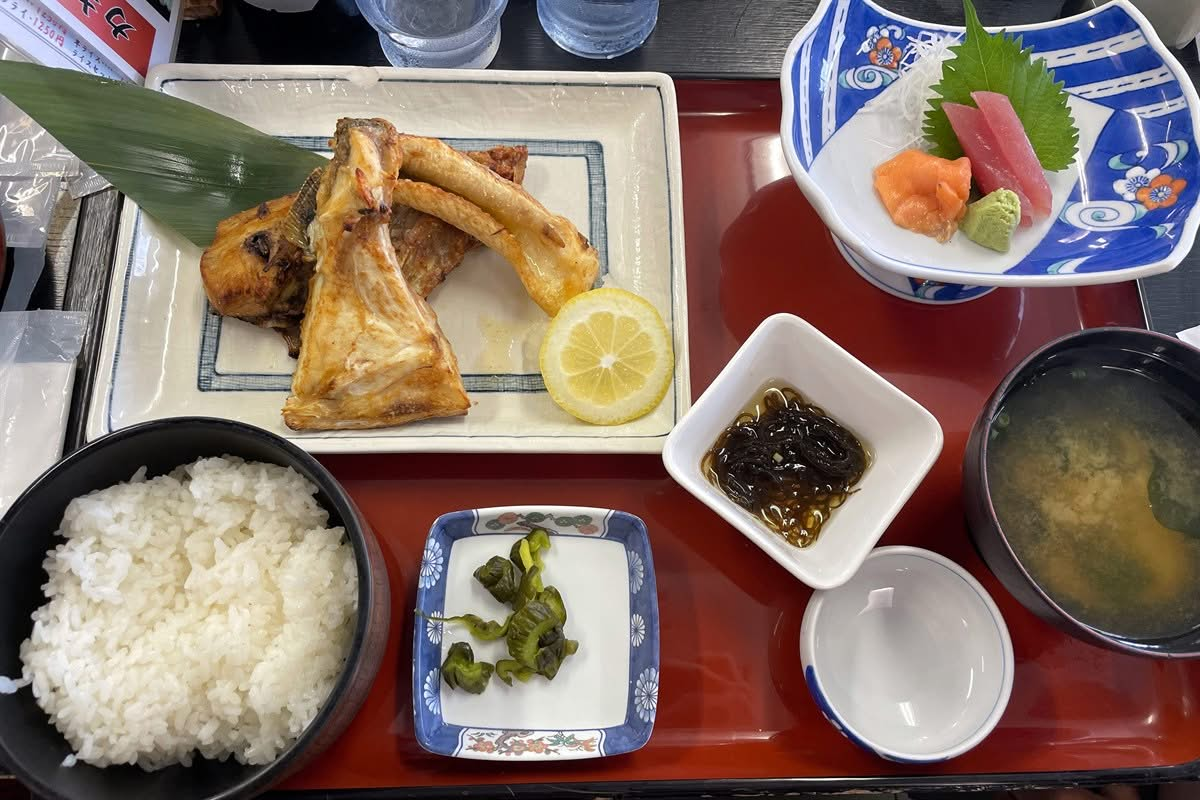
Food is easier than many first-time visitors expect. Southern Tohoku has plenty of straightforward local meals that children can handle, from rice dishes to noodle shops and simple set meals. When a destination has a busy sightseeing flow, the restaurant scene around it usually reflects that, so you don’t need to overthink every lunch. My tip: keep a small backup snack bag in the car, because delays happen and hunger changes the mood faster than sightseeing does.
Language-wise, a few romaji words will help a lot. 定食 (Teishoku, set meal) means a set meal, 道の駅 (michi-no-eki, roadside station) means roadside station and 宿 (yado, lodging) means lodging. Those terms appear constantly on signs and booking pages, and they make family travel in rural Japan feel far less intimidating once you recognise them.
In pictures
Frequently Asked Questions
Is southern Tohoku a good region for a road trip with kids?
Yes. It offers manageable driving distances, varied scenery and enough roadside facilities to keep family travel practical.
What is the best pacing for a family road trip in Japan?
One main stop per day usually works better than trying to pack in too many attractions. An afternoon rest break helps children reset.
Do you need to speak Japanese to travel there?
No, but a few basic words like teishoku, yado and michi-no-eki make signs and local services easier to understand.
Sources
- Japan Guide: Traveling with kids on a road trip through southern Tohoku
- Luni Travels: Japan with School-Age Kids: the sweet spot for family travel
- The Next Land: Ruta por Kyushu en 7 dias: nuestro itinerario en coche
- Stripes Japan: Guide to Tokyo Hiking in autumn
- Kids Stay: Miyazaki Family Hotels: Where to Stay With Kids, Coast to Takachiho
- Lonely Planet: Best in Travel