If you’re planning a visit, the useful thing isn’t romance but logistics: how to get there, where to leave the car, and whether the shuttle runs at the right time for you. That’s the main part of the trip. The rest is just noise.

Tokyo Yugawara Onsen Manyo-no-Yu in Machida
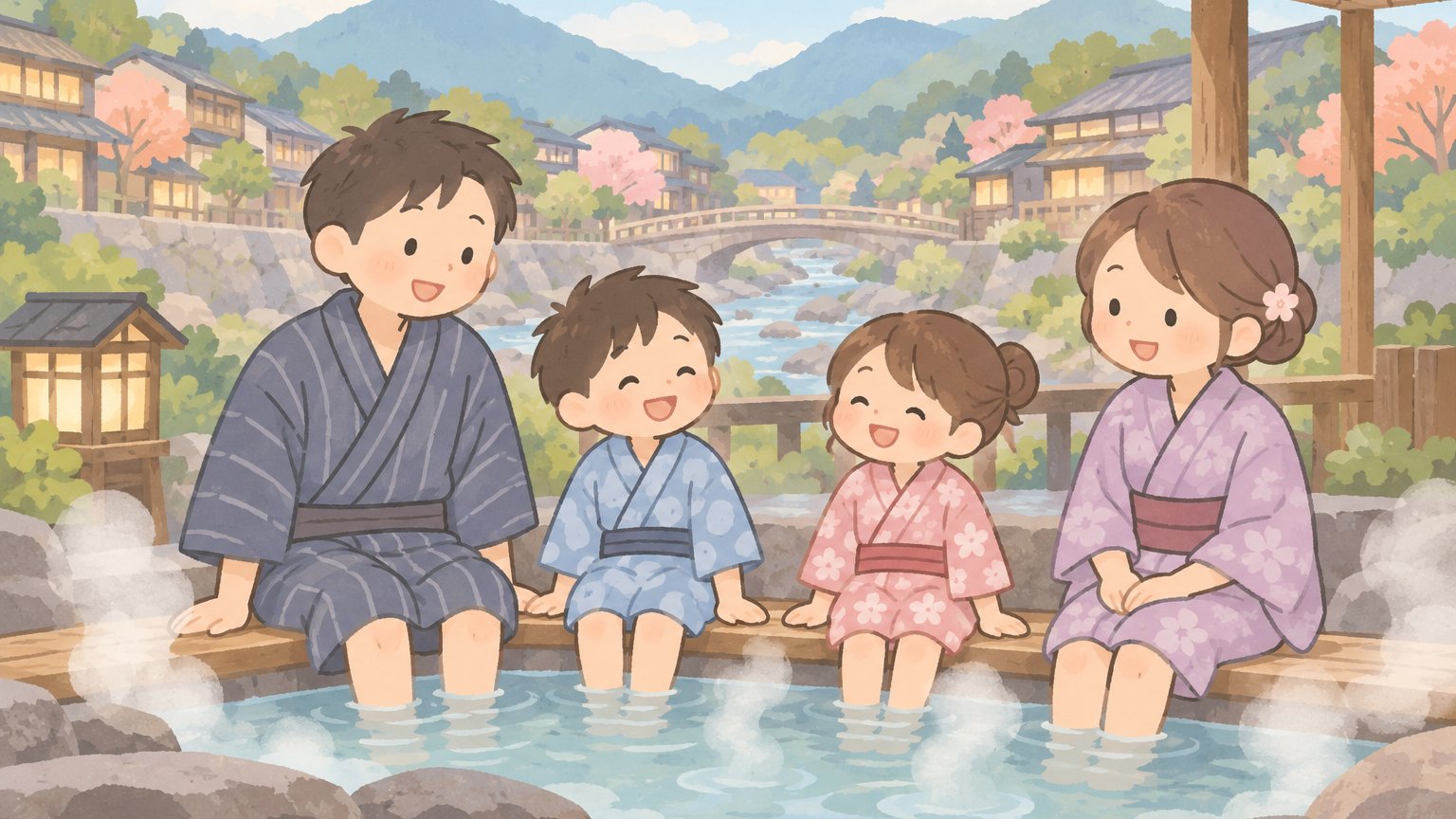
Tokyo Yugawara Onsen Manyo-no-Yu sits in Machida, west of central Tokyo, and the name tells you most of what you need to know. The water is connected to the Yugawara onsen area, while the Tokyo side gives it easy access for people who don’t want to build a whole overnight trip around one soak.
For Japanese learners, this is a neat little vocabulary cluster: onsen for hot spring, manyo for a full moon image used by the operator's branding, and シャトルバス (shuttoru basu) for shuttle bus. The words are plain enough, but they matter because transport language in Japan is often about precision, not charm.
The official FAQ for the Machida facility is the best place to start for access and parking details, and the answer is simple: you don’t have to depend on rail alone. That makes the site workable for families, car users, and people coming with a bag that would rather not be hauled through stations and crossings.
Shuttle bus access
The shuttle bus is the easier option if you want to avoid the final slog from the station area. Machida isn’t remote, but it’s spread out enough that a short bus ride can save you time and a fair amount of irritation, especially if you’re carrying a change of clothes, toiletries, or the usual onsen clutter.
Shuttle services like this are worth reading carefully because the useful detail is rarely the headline. Check where the pickup point is, when it runs, and whether it changes on weekends or busy periods. That last part is where us dorks get caught, standing in the wrong place with sandals in hand, looking philosophical in a very stupid way.
My tip: treat the shuttle as part of the visit, not an optional bonus. If you’re learning Japanese, note the transport words on the official page before you go, especially バス (basu, bus), 地下鉄 (chikatetsu, subway), and 電車 (densha) if you’re continuing by train. Little things, but still useful.
Why the shuttle matters
In a place like Machida, the shuttle does more than save a walk. It removes friction from the approach, which is often the difference between a calm onsen day and one that starts with a long, tired search for the entrance. That’s not a dramatic point. It’s a practical one.
For visitors who aren’t local, a shuttle also makes return planning easier. You can time your soak, your meal, and your departure without gambling on a long walk back to a station in wet sandals. Dry feet are a small philosophy, but a real one.
Parking at Tokyo Yugawara Onsen Manyo-no-Yu
Parking is the other half of the access picture, and for this kind of facility it can be the deciding factor. If you’re driving to Machida, the official parking information is there for a reason, and it means the onsen is set up for people arriving by car as well as by shuttle.
That’s useful for weekend use, family visits, and anyone who doesn’t want to juggle transfers. It also helps if you’re combining the bath with errands in the area, which is how a lot of Japan actually gets lived, not as a sequence of perfect excursions but as linked practical stops.
No wonder, because onsen visits often carry more stuff than people admit. Towels, toiletries, a spare shirt, maybe a book, maybe nothing at all. Parking makes all of that easier to manage, and in a city edge like Machida, that matters more than glossy language ever will.
What to confirm before you set off
Check the parking rules before departure, not after arrival. You want the current lot location, any height or size restrictions, and whether overflow conditions change on busier days. Official access pages are written for exactly this kind of thing, even when they look dull at first glance.
If you’re using the shuttle instead, confirm the pickup point in advance and leave a bit of margin. Japanese transport runs on timing, and onsen plans are gentler when the timing is boringly correct.
How to pair the visit with Japanese learning
There’s a small language lesson tucked into this kind of practical travel note. Machida appears in address information as a place name, but the useful part for learners is the structure around it: 駅 (eki) for station, basu for bus, 駐車 (chuusha) for parking, and onsen for the bath itself. These words show up everywhere in Japan, and once you know them, access pages stop feeling like static and start reading like instructions.
I also like the way this sort of destination forces attention back onto the body. The walk to the bus stop, the weight of the bag, the shift from street shoes to slippers, the first heat in the water. That texture of place is what makes a simple access guide worth keeping around.
Tokyo Yugawara Onsen Manyo-no-Yu in Machida isn’t difficult to reach, but it does reward a little planning. Use the shuttle if you want convenience, use the parking if you’re driving, and read the official access page before you leave home. That’s it.
Frequently Asked Questions
Is Tokyo Yugawara Onsen Manyo-no-Yu in Machida easy to reach?
Yes. The facility provides both shuttle bus access and parking, which makes it manageable by public transport or by car.
Should I rely on the shuttle bus or drive?
Either works, but the shuttle is the simpler choice if you want to avoid walking from the station area. Driving is better if you are already moving around Machida by car.
What should I check before visiting?
Confirm the current shuttle details and parking rules on the official FAQ before you go, since access arrangements can change.