And that’s the charm here: this isn’t a glossy all-in-one resort circuit, but a way to move between onsen and town streets, asking you to slow down and notice what makes a place tick. For Japan fans, that also means a nice excuse to pick up some useful vocabulary, because words like onsen, 港町 (minato machi, port town), and 暮らし (kurashi, everyday life; living) all describe very real parts of the journey.

Iwanai’s new Hokkaido travel pass is small by design
Iwanai in Hokkaido has started selling the Onsen Journey(R) to iwanai PASS, and the number that matters most is this one: 200 pieces, sold for 2,000 yen each, according to the press release from Maruyama Renkei Kaigi. That limited supply gives the project a very different feel from mass-market sightseeing campaigns, because it’s clearly meant to be a compact, local experience rather than a broad tourist package.
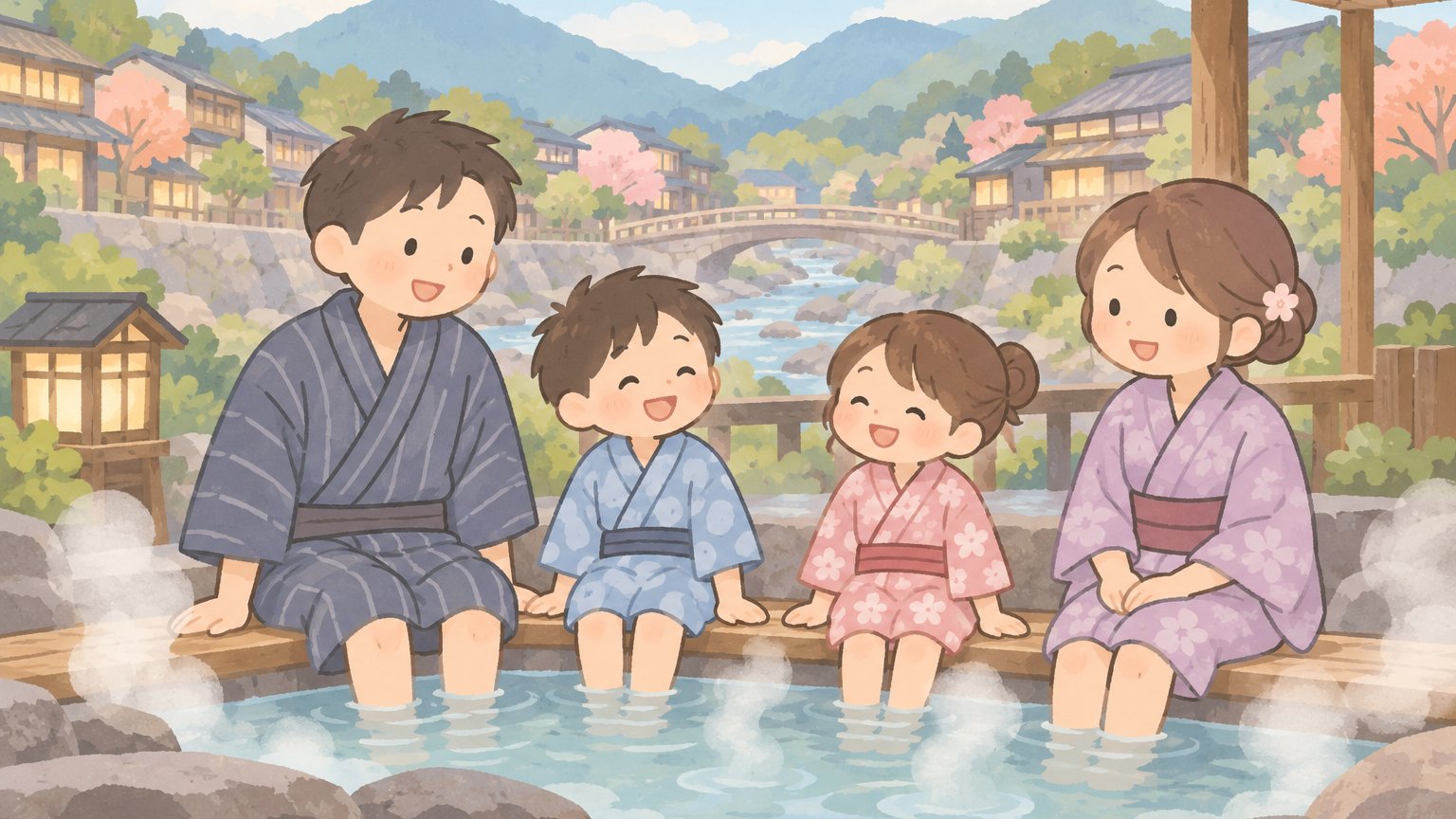
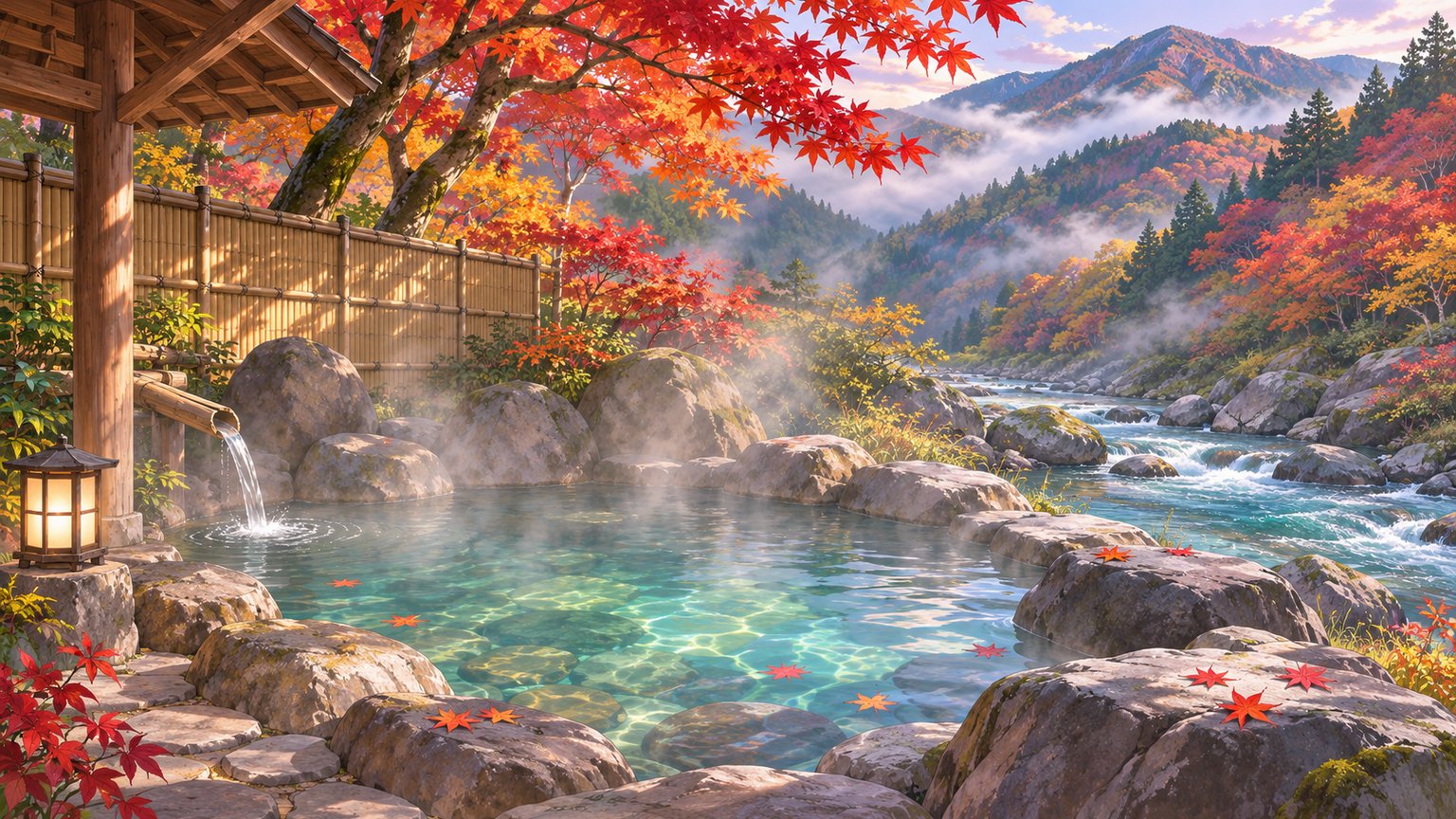
What the pass points towards is also pretty clear. It links Iwanai Onsen with the harbour town’s food, history, culture, and daily life, so the trip idea isn’t just about soaking and leaving. You move between hot spring time and the rhythms of a working town, which is exactly the sort of off-the-beaten-path travel many Japan fans go looking for.
And yes, I do like that scale. Small projects often tell you more about a place than the bigger, polished ones, because they leave room for pauses, side streets, and the little details that make a town feel human.
Why Iwanai matters in a Hokkaido trip
Iwanai sits in western Hokkaido, not far from Niseko, and the press release says it is about a 40-minute drive from there. That matters because Niseko is often where people’s Hokkaido plans start, but Iwanai offers a different mood, calmer and more grounded, with the sea, the port, and the town’s daily life shaping the experience.
Hokkaido travel often gets framed through ski resorts, big cities, or famous scenic areas, but smaller harbour towns have their own quiet pull. They can be excellent places to slow down after a busy route, especially if you want to mix onsen, local meals, and a bit of town wandering without feeling like you’re racing a checklist.
For Japanese learners, this is also a useful place to notice vocabulary in context. Onsen means hot spring, minato machi means port town, and kurashi means everyday life or living. Those words show up constantly in travel writing, but here they aren’t abstract terms, they describe the actual structure of the trip.
What the pass suggests about the experience
The name Onsen Journey(R) to iwanai PASS tells you a lot. It isn’t trying to sell only bathing, and it isn’t pretending the town exists only as a backdrop for relaxation. Instead, it frames Iwanai as a place where bath time and town life overlap, which is a very Japanese kind of travel idea in the best sense, because it treats place as something you observe, not just consume.

According to the announcement, the pass is meant to let visitors encounter Iwanai Onsen together with the harbour town’s food, history, culture, and everyday living. That combination is especially appealing if you like lesser-known destinations, because it suggests a route that rewards curiosity rather than speed.
My own reaction is simple: this kind of project feels right for Hokkaido. The island is huge, the distances can be big, and the best trips there often happen when you stop trying to see everything and start paying attention to one town, one street, one meal, one bath.
A small ticket run can change the tone of a trip
Limited availability changes how people think about a journey. When only 200 passes are being sold, the experience becomes something more local and time-sensitive, not an endlessly available product you can leave for later.
That doesn’t automatically make it better, of course. But it does make it feel more personal, and for a place like Iwanai, that seems fitting. The town is being presented through its own texture, not through a generic Hokkaido template.
What Japan learners can take from this trip concept
If you are studying Japanese, this is one of those cases where travel news doubles as language practice. A phrase like onsen to kurashi ni 交わる (majiwaru, to intertwine; overlap) 旅 (tabi, trip; journey) would mean a trip that interweaves hot springs and everyday life, and that idea appears again and again in Japanese tourism copy because it captures something real about regional travel.
You can also notice how Japanese place-based language often works. Instead of separating nature, food, culture, and daily routines into different categories, a destination pitch may bundle them together as one lived experience. That is useful vocabulary for reading guidebooks, local tourism pages, and regional news releases without getting lost in the wording.
And if you’re planning a future Hokkaido route, Iwanai is the kind of name worth keeping in your notebook. Not because it’s famous, but because it opens a different door.
Frequently Asked Questions
What is the Onsen Journey(R) to iwanai PASS?
It is a new travel pass for Iwanai in Hokkaido that combines hot springs with the town’s food, history, culture, and everyday life.
How many passes are available?
Only 200 passes are being sold, according to the announcement.
How much does it cost?
The pass is priced at 2,000 yen.