What I like about Jimbocho is how it rewards slow looking. You don't need a plan beyond time, curiosity, and maybe a word or two of useful Japanese, because this is the kind of district where small details keep opening up new paths.
Why Jimbocho fits autumn so well
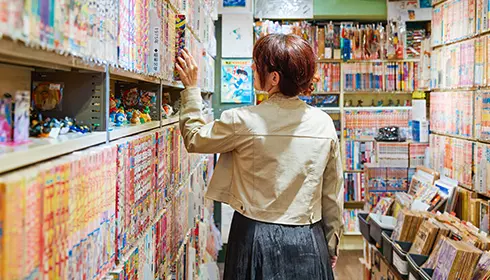
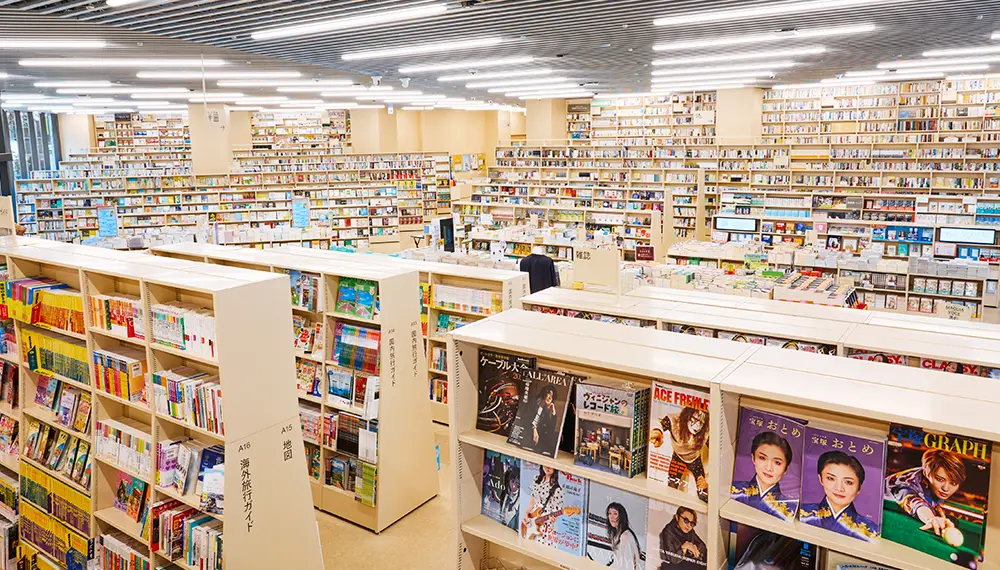
Jimbocho works beautifully as a seasonal detour because the district already asks you to slow down. According to GO TOKYO, this book town has more than 180 bookstores, and that density changes the rhythm of a walk straight away, because you start noticing shop signs, window displays, and the kinds of books each store chooses to specialise in.
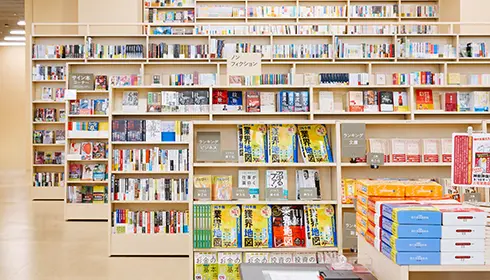
Autumn gives that atmosphere a little extra weight. The weather is usually kinder than summer, the streets feel more comfortable to browse, and a book-heavy neighbourhood makes a very natural match for the season of 秋晴れ (akibare, clear autumn weather), those clear autumn days people in Japan often talk about. If you are learning Japanese, this is a nice place to spot real-world vocabulary too, from 本屋 (honya) for bookstore to 古本 (furuhon) for used books.
And what's more, Jimbocho is not just about second-hand paperbacks. The district also includes cafes, publishers, and galleries, so the literary culture here spreads beyond the shelves. That mix gives the area a lived-in feel, not a museum feel, which is exactly why it still draws people who like browsing rather than rushing.
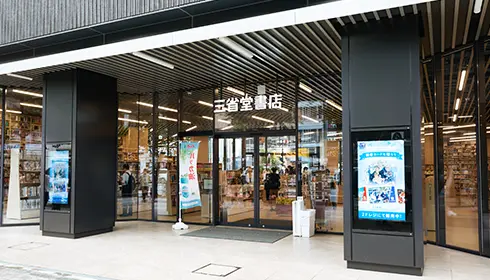
What you find inside the book town
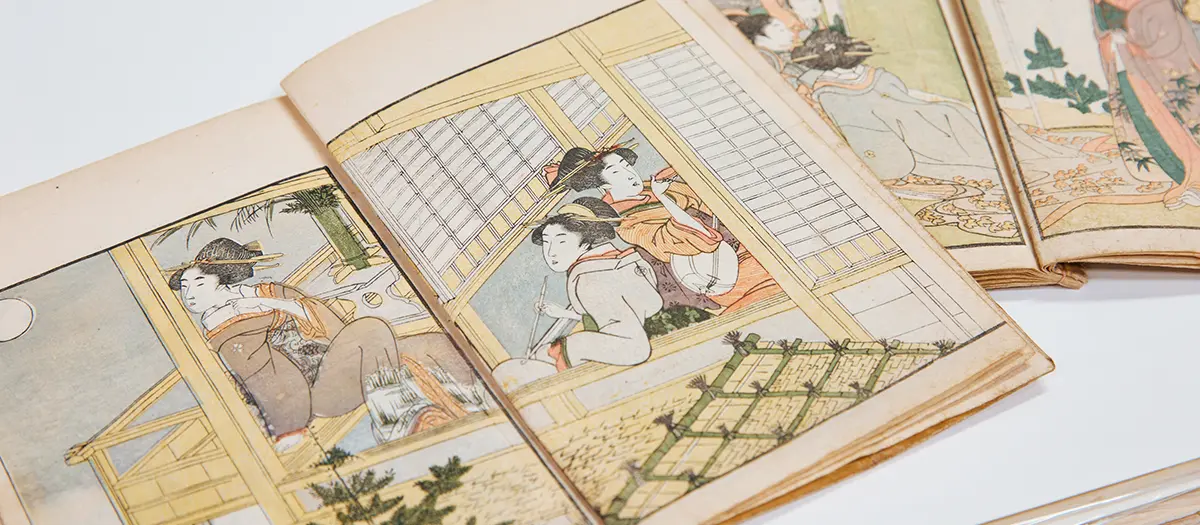
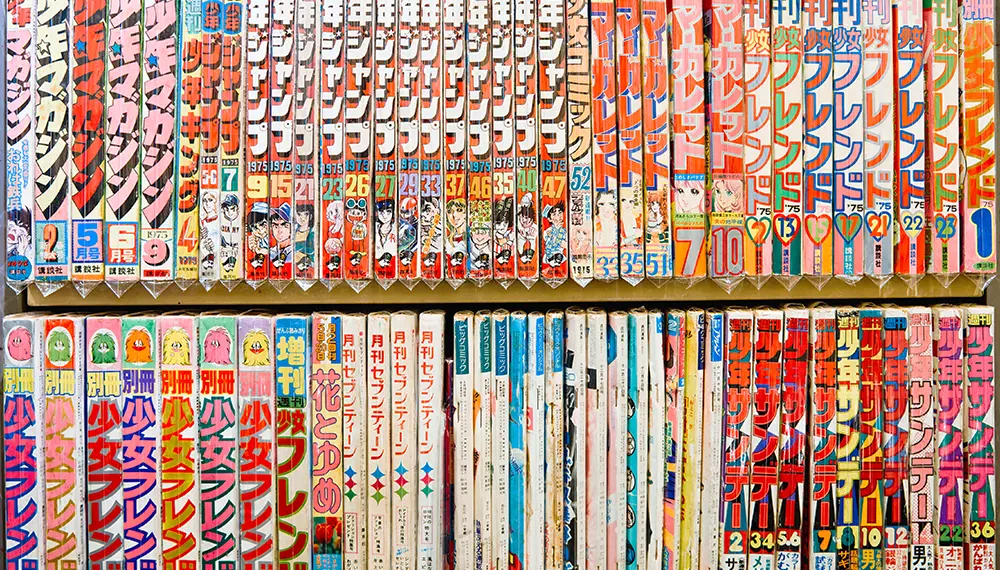
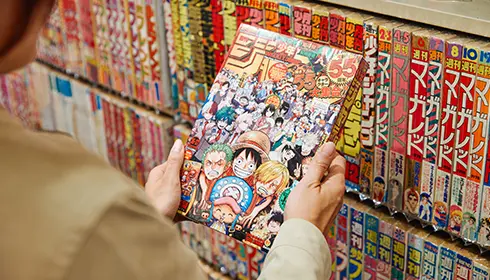
A great example is the famous used-book streets around Jimbocho, which are known for their narrow specialist focus. Some shops handle old manga, others focus on children’s books, maps, Edo-period material, or the works of specific writers such as Yukio Mishima and classical Japanese literature, as described in materials about the Kanda second-hand book district. That kind of specialisation means a visit can become very precise, almost like a treasure hunt built around your own interests.
What I especially like is that this setup encourages questions. You do not need to be a collector to enjoy it, and you do not need perfect Japanese either, because book titles, publisher names, and category labels already teach you a lot. For learners, words like 世界文学 (sekai bungaku) for world literature, 写真集 (shashinshu) for photo book, and 雑誌 (zasshi) for magazine can become easy anchors as you scan the shelves.
But beyond that, the district has a strong culture of browsing in layers. You may step into one shop for older paperbacks, another for niche academic material, then pause at a cafe before heading back out again. That back-and-forth is part of the appeal, and it is also why Jimbocho feels less like a single destination and more like a conversation between books, streets, and readers.

Literary culture beyond the shelves
Jimbocho's identity does not stop at book sales. The monthly publication Hon no Machi, first published in 1980, has documented the current state of the book town through bookstores, publishers, cafes, and galleries. That matters, because it shows the district is maintained not only by commerce but by a continuing sense of shared literary life.
So if you wander here in autumn, you are really seeing a neighbourhood with memory. Older bookstores stand beside newer spaces, and the whole area keeps adapting without losing its core character. I think that balance is what makes it especially interesting for Japan fans, because it offers a clear example of how a city district can preserve history while still feeling active and current.
For learners, this is also a useful place to listen for the softer side of daily Japanese. You may notice words like 読書 (dokusho) for reading, bunko for paperback, and 趣味 (shumi) for hobby used in shop descriptions or casual conversation. These are small vocabulary wins, but they add up, and Jimbocho is full of those little gains.
How to make a good autumn visit
Start by giving yourself time to browse without pressure. Jimbocho is best when you leave room for detours, because a shop window, a narrow side street, or a display of old magazines can easily become the highlight of the day. If you want a relaxed pace, pair the walk with a cafe stop and keep your camera use secondary to the browsing itself.
My tip is to focus on one or two themes instead of trying to cover everything. You might look for manga, Japanese literature, art books, or old maps, and that narrower goal makes the district feel much more manageable. It also makes the language part more enjoyable, since you can learn the related vocabulary as you go rather than treating the whole area like a checklist.
Jimbocho is one of those Tokyo places that keeps giving back the more patiently you explore it. And in autumn, with clearer air and slower walks, that payoff feels even stronger. You'll eventually find your own place in Tokyo, and this is a very good district for starting that search.
In pictures
Frequently Asked Questions
What is Jimbocho known for?
Jimbocho is known for its large concentration of bookstores, especially used-book shops, along with cafes, publishers, and literary culture.
Why is autumn a good time to visit?
Autumn usually brings more comfortable walking weather, which suits Jimbocho's slow browsing style and outdoor book streets.
Is Jimbocho useful for Japanese learners?
Yes. It is a great place to notice real-world vocabulary connected to books, reading, and everyday shopping.
Sources
- GO TOKYO - Celebrate Autumn in Tokyo with Jimbocho's Bookstores and Literary Culture
- Hon no Machi - To the Interview at Isseido Booksellers in a High School Uniform: 52 Years of Jimbocho as Seen by a Used Bookstore Owner [Jimbocho and I, Part 1]
- Flickr - Issei-do Bookstore, Kanda Second-hand Books District