That combination matters. This isn’t just a mascot refresh, it’s a brand reset tied to one of Japan’s most recognisable transport systems, and that makes it especially interesting for Japan fans and Japanese learners alike.



JR East gives Suica a new face
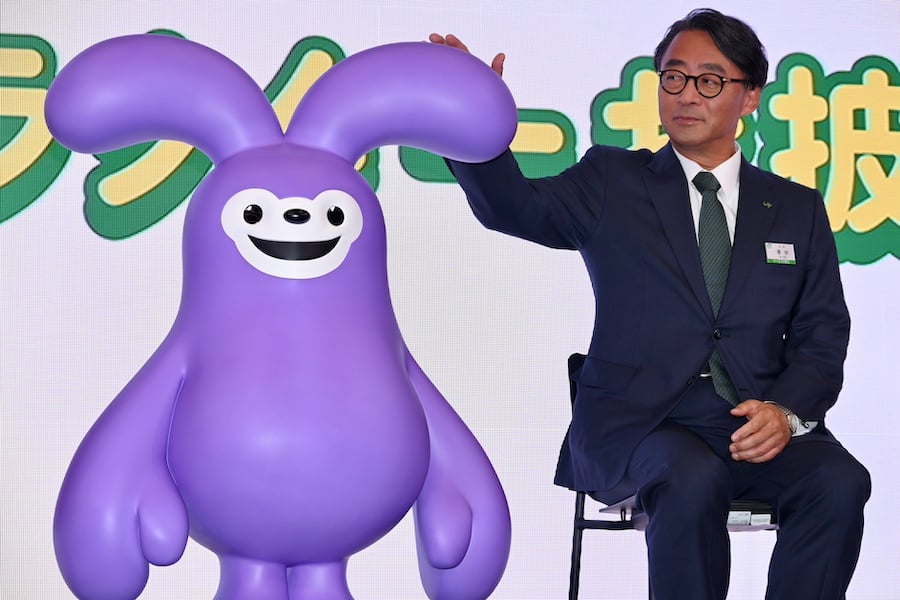
JR East, the operator behind Suica, has picked a purple rabbit-like character called Purple Rabbit to become the card’s new mascot. The announcement came on 18 November in Tokyo, and the new character is set to take over from the Suica penguin that people have associated with the brand for years.
According to reporting from Jiji Press and Japan Forward, the rabbit won support from a public selection process that drew more than 1.6 million votes from Japan and abroad. That’s a serious level of engagement for a transit mascot. The result makes sense for JR East, because Suica isn’t just a train card anymore, it sits at the centre of commuting, shopping, and everyday city life.
What I especially like here is the clarity of the branding move. JR East isn’t hiding behind an abstract corporate logo. It wants a concrete character, one that people can recognise instantly at stations, on apps, and across merchandise. That’s very Japan, in the best possible way.
Why Purple Rabbit stands out
The old Suica penguin was beloved because it was simple, calm, and a little bit cool. Purple Rabbit goes in a different direction. It feels unusual at first glance, which is probably the point.
Tokyo Weekender reported that the selection committee saw the rabbit’s novelty as one of its strengths. That word matters. In character branding, being memorable is half the battle, and being a little strange can actually help a mascot stay in people’s heads longer. JR East appears to be betting that an unexpected design will keep the brand fresh rather than stale.
For Japanese language learners, this is a nice vocabulary moment too. Mascot branding in Japan often uses the word キャラ (kyara, character), and the broader culture around characters, goods, and station branding is huge. If you’ve ever seen a station shop packed with limited-edition character items, you already know how deep this runs.
What this means for Suica's image
Suica has always been more than a fare card. It’s a symbol of Tokyo mobility, convenience, and quick digital payment habits. By changing the mascot, JR East is updating the emotional side of that identity while keeping the underlying service familiar.

That balance matters because transport brands in Japan live for decades. You don’t want to confuse people, but you also can’t let a visual identity freeze in time. Purple Rabbit looks like JR East’s answer to that problem.
The mascot change sits beside a platform tech upgrade
There’s another angle here, and it’s easy to miss if you only focus on the character reveal. JR East is also moving ahead with a technology upgrade on Tokyo 新幹線 (Shinkansen, bullet train) platforms. The timing suggests a broader modernisation push, not just a branding exercise.
Japan’s major rail operators often tie visible customer-facing changes to larger infrastructure improvements. That’s smart. A new mascot gives the public something tangible to talk about, while platform tech upgrades quietly handle the harder work behind the scenes. One is emotional. The other is operational. Together, they tell you where JR East wants Suica’s next chapter to go.
And the thing is, rail branding in Japan works best when the hardware and the story line up. If the platforms feel more advanced and the card brand feels more current, the whole system seems more future-ready. That’s the big point here, not just the rabbit itself.
Why Japan fans will care
For Japan watchers, this is one of those news items that looks light on the surface but says a lot underneath. Suica is part of daily life for commuters, tourists, and anyone trying to move through Tokyo efficiently. A mascot change touches design, marketing, nostalgia, and public transport culture all at once.
It also shows how seriously Japanese companies treat brand characters. In many markets, mascots are an afterthought. In Japan, they can become part of the national visual language. That’s why a name like Purple Rabbit is searchable, memorable, and instantly tied to a bigger story about JR East and Tokyo rail technology.
My take is simple. If JR East can make this new character feel as natural as the old penguin, while also improving the stations people actually use, then this move could age very well. I like it when a new brand chapter feels like a proper step forward, and that’s the whole point.
Frequently Asked Questions
Who introduced Purple Rabbit?
JR East introduced Purple Rabbit as the new Suica mascot.
When was the new mascot revealed?
JR East unveiled the character in Tokyo on 18 November.
Why does this matter beyond the mascot itself?
Because it also sits alongside JR East’s technology upgrade on Tokyo Shinkansen platforms, which points to a wider refresh of the Suica ecosystem.