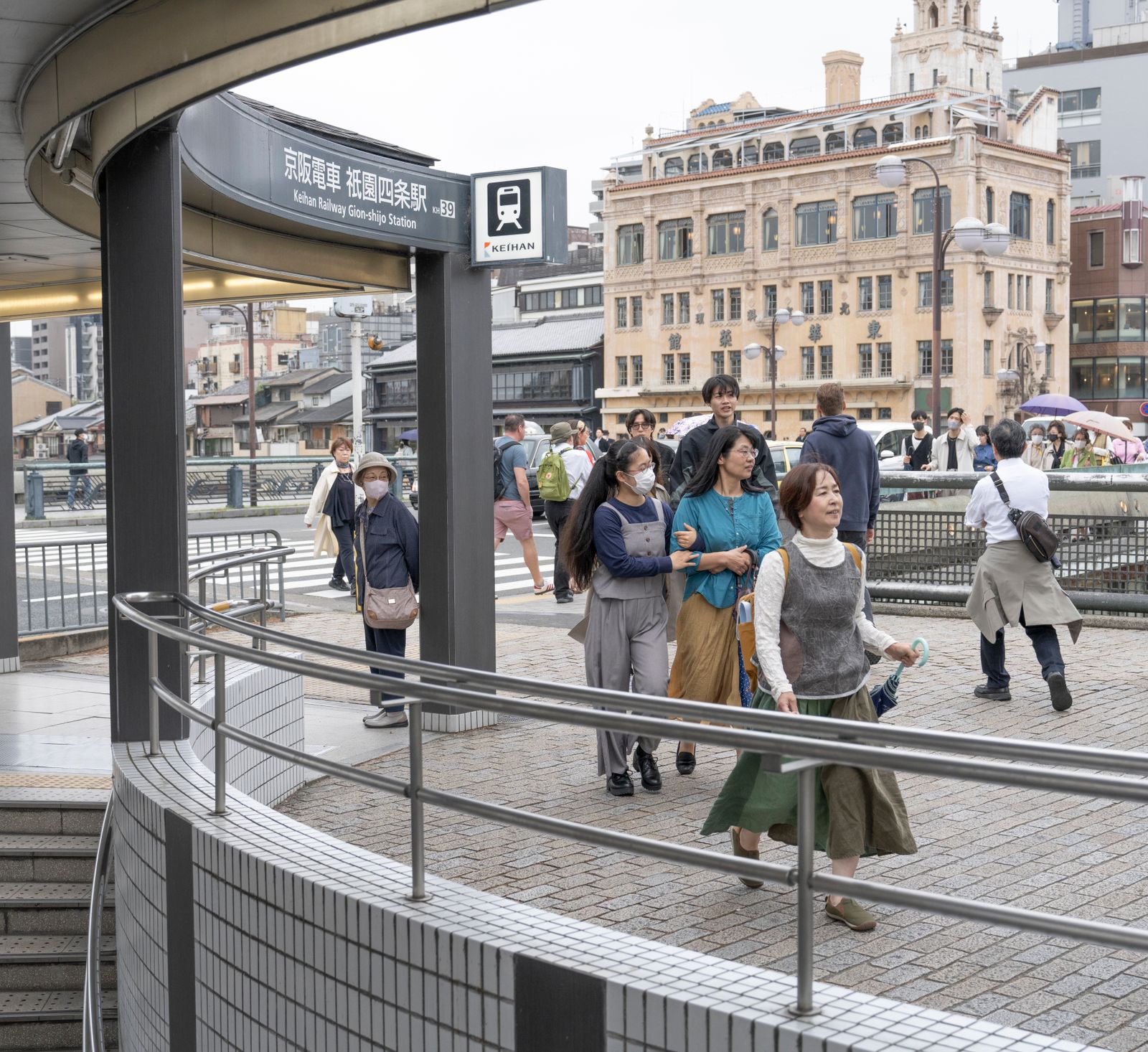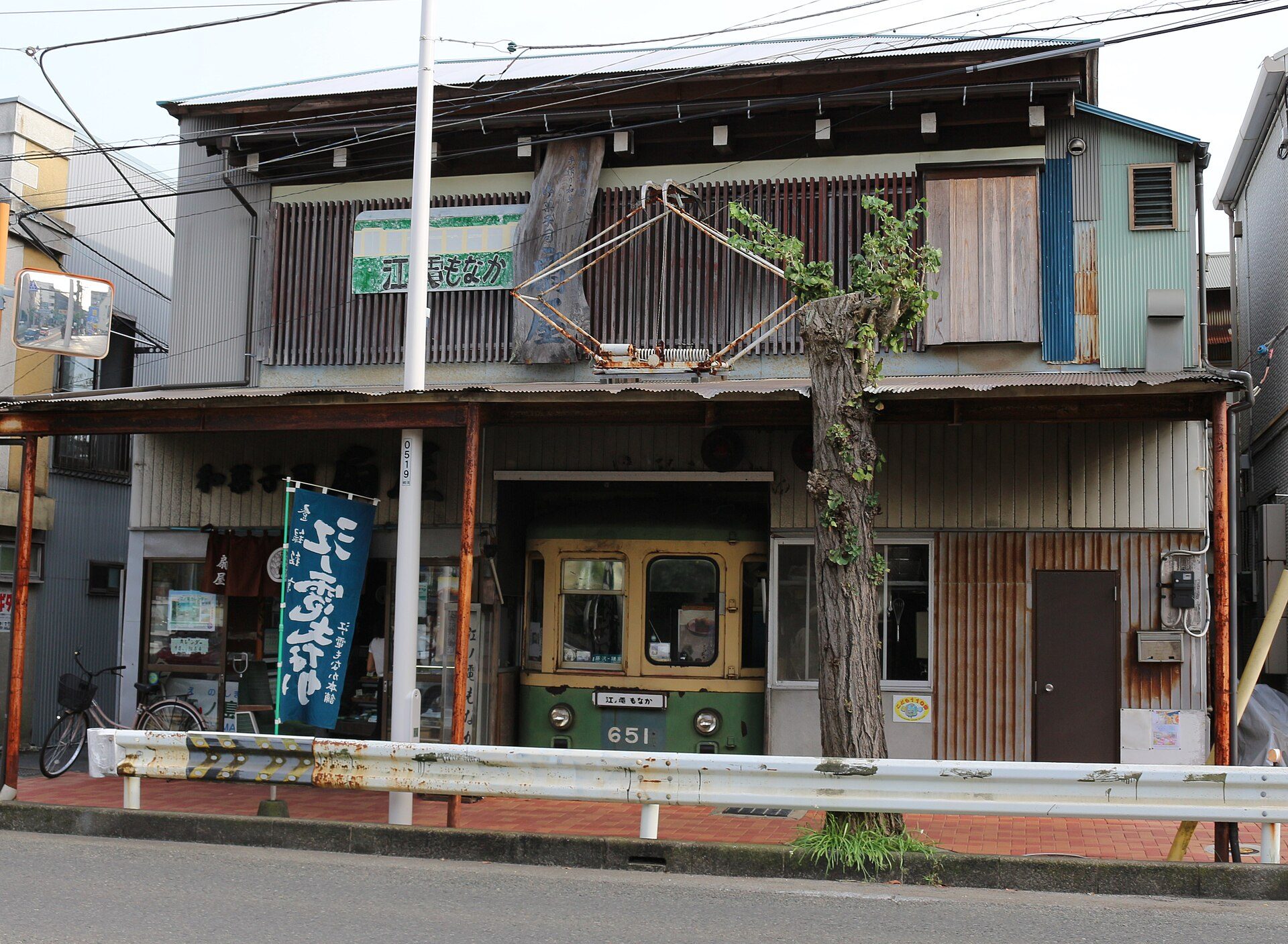
For Japan fans, this is a good example of how railway culture goes beyond timetables and speed. Station music can be as recognisable as a platform sign, and on this line it’s become part of the experience rather than background noise.



Five stations, one line, one very distinctive idea
The Sanyo 新幹線 (shinkansen, bullet train) is the stretch of the shinkansen network operated by JR West, running through western Japan. On this line, departure melodies are heard at five stations, and that detail matters because it turns a routine departure into something passengers notice, remember, and often associate with the route itself.
According to Deeparrival, the melodies are used at five stations on the Sanyo Shinkansen, with Galaxy Express 999 standing out as the signature tune. That’s a small number, but it’s enough to make the soundscape of the line feel curated rather than random. The effect is stronger on a route where trains move quickly between major urban centres and station stops are brief.
Why JR West picked Galaxy Express 999
JR West has tied the melody to the idea of setting out on a journey. That explanation makes sense in Japan, where rail travel is often wrapped in symbolism, not just efficiency. A station sound can signal departure, anticipation, and movement, all in a few seconds.
The same choice also fits the Sanyo Shinkansen’s public image. The line connects places such as Osaka, Okayama, Hiroshima, and Hakata, so it already carries a strong sense of long-distance travel. Using a melody linked with adventure gives the platform a slightly emotional edge without slowing anything down.
What I especially like is that this is a clean example of station culture doing real work. The music isn’t decorative in the loose sense, it helps shape how a place feels. For Japanese learners, this is a useful reminder that words like 駅 (eki, station), 出発 (shuppatsu, departure), and 電車 (densha, train) are only part of the story; the atmosphere around them matters too.

Station music as part of Japan’s railway culture
Japanese railway stations often use short, carefully chosen sounds to mark departures, arrivals, and transfers. Some are simple electronic chimes, while others are melody lines with a clear local identity. On busy routes, those sounds help people orient themselves quickly, especially when platforms are crowded and announcements move fast.
The Sanyo Shinkansen example shows how JR West uses sound as a branding tool as well as a practical signal. A departure melody can make a station feel distinct, and it can also become something passengers look forward to. That’s why railway sounds get discussed so often by Japan enthusiasts, especially when a specific tune becomes tied to a specific line.
Why this matters for learners of Japanese
If you’re learning Japanese, station music is a neat doorway into everyday vocabulary and travel culture. You’ll hear words connected to departure, platform changes, and train direction, and those words often appear in the same places where a melody starts. It’s a small but useful way to connect listening practice with real-life contexts.
It also helps explain why train travel in Japan feels so carefully designed. Even a few seconds of music can carry local identity, commercial strategy, and nostalgia at the same time. On the Sanyo Shinkansen, that balance is especially clear because the line is fast, modern, and still willing to make room for something memorable.
Frequently Asked Questions
How many Sanyo Shinkansen stations use departure melodies?
Five stations use departure melodies on the Sanyo Shinkansen.
Which melody is best known on the Sanyo Shinkansen?
The best-known tune is Galaxy Express 999.
Why did JR West choose a departure melody?
JR West said the song suggested setting out on a journey and matched the feeling of rail travel.