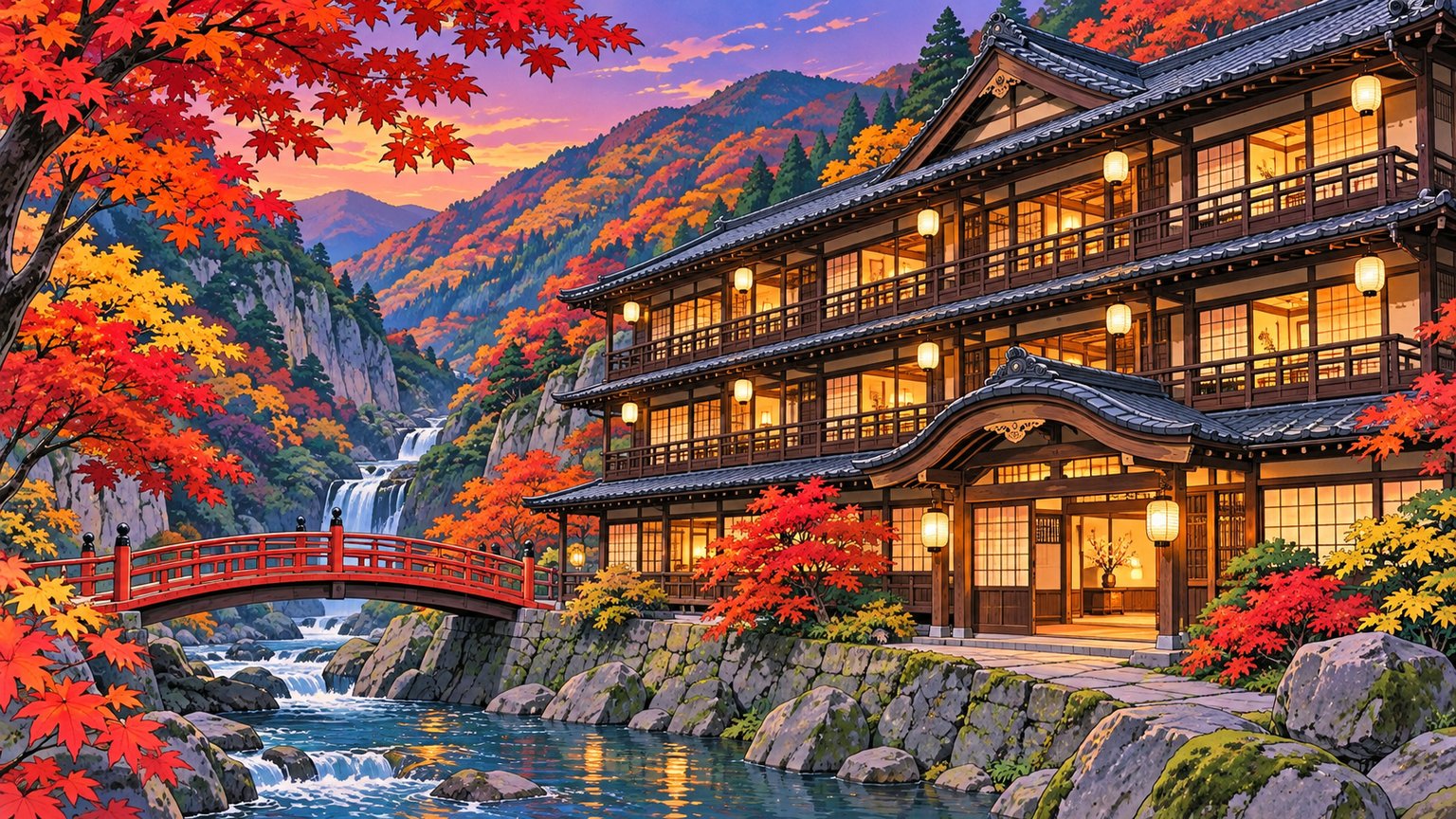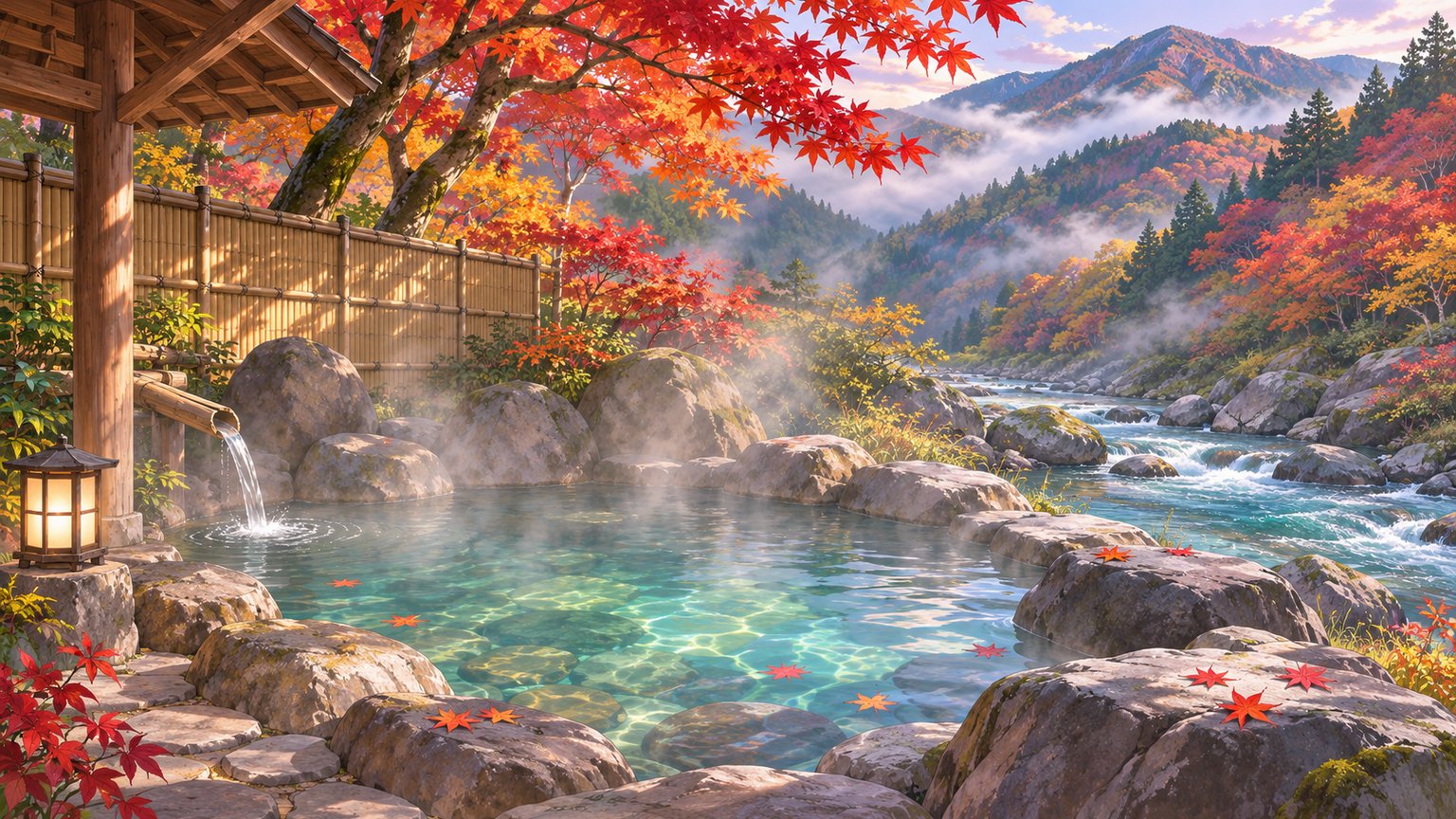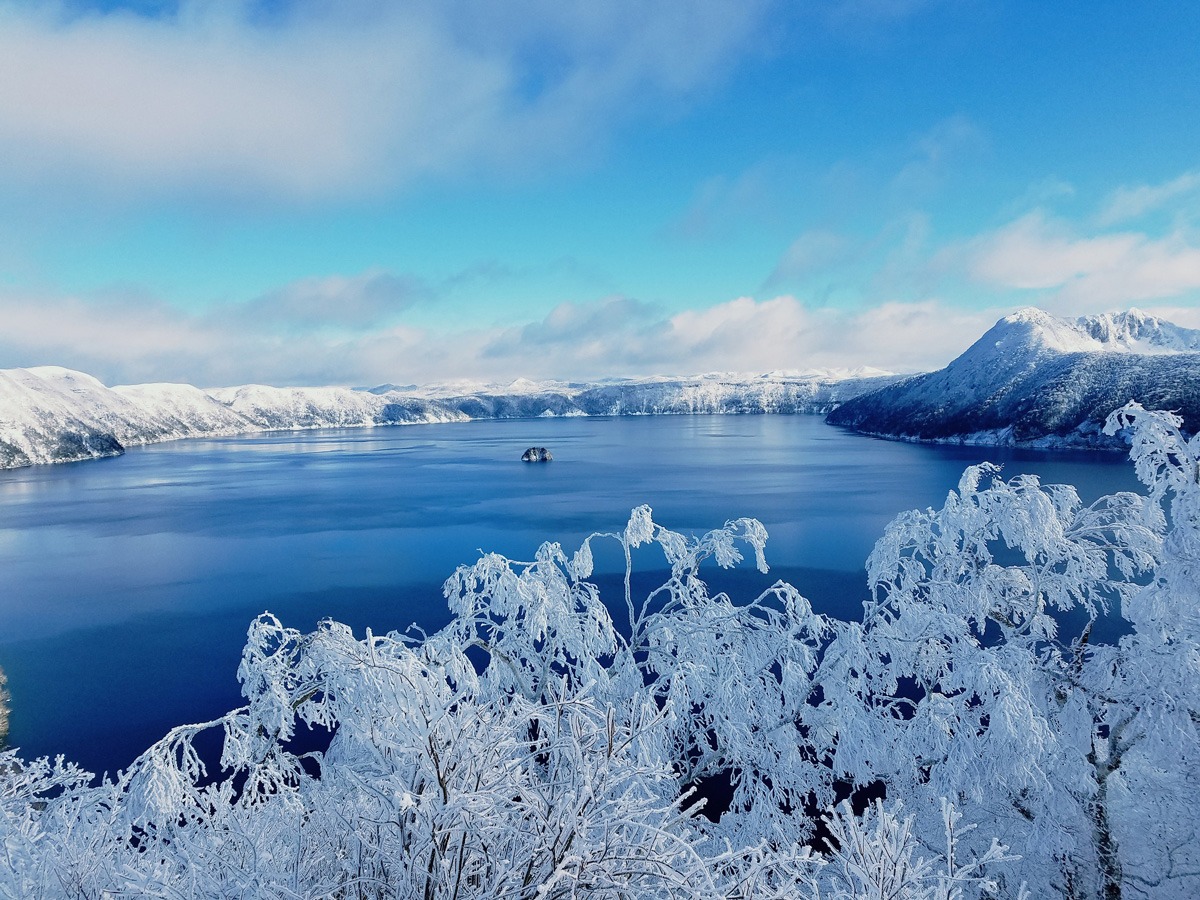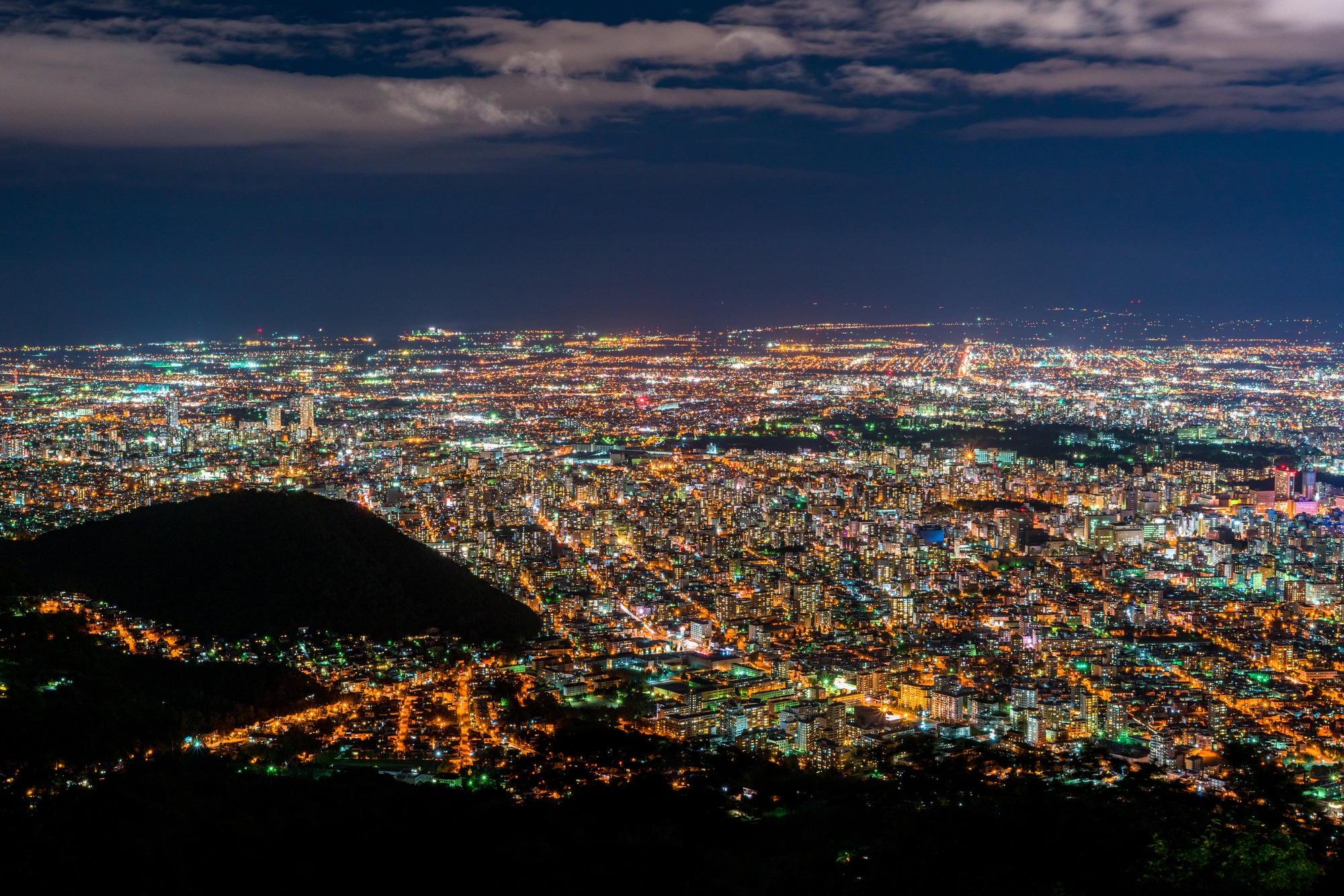
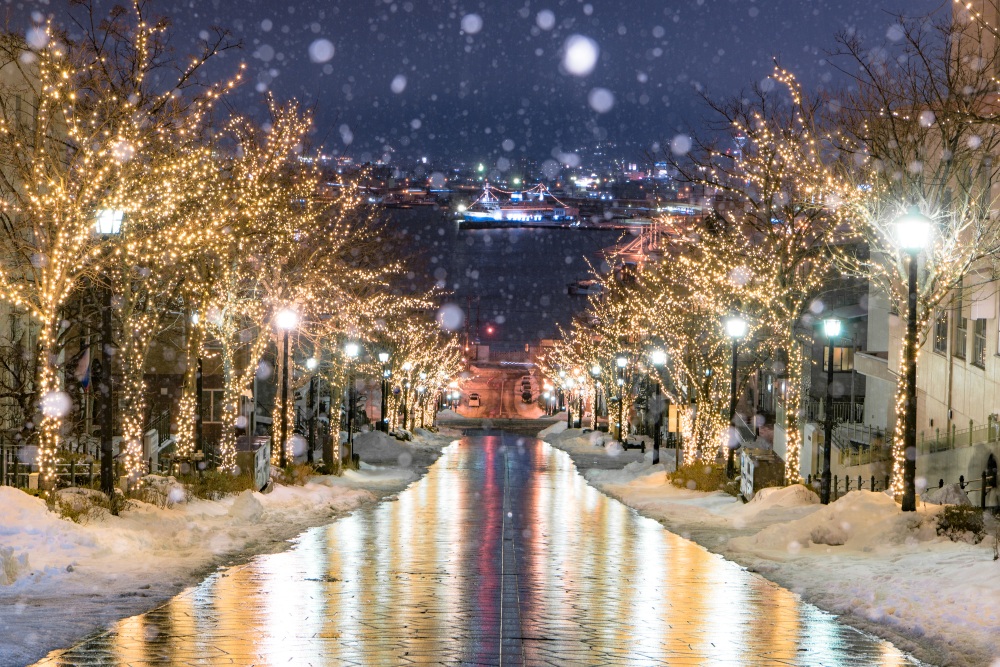
And that’s exactly why I like it. When a place is famous for big landscapes, people often forget that the dark hours can be just as revealing, with harbour lights, mountain silhouettes, and the softer atmosphere that comes when the crowds thin out.
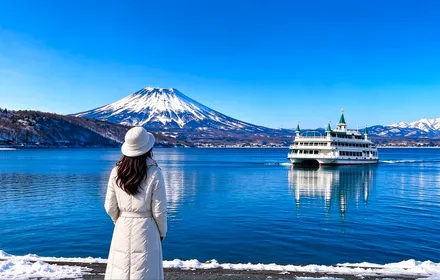
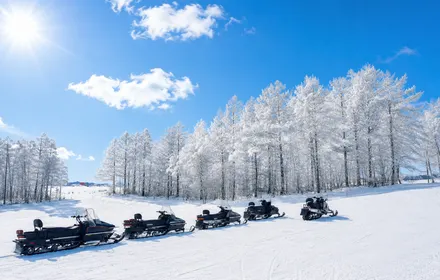

Why yakei feels different in Hokkaido
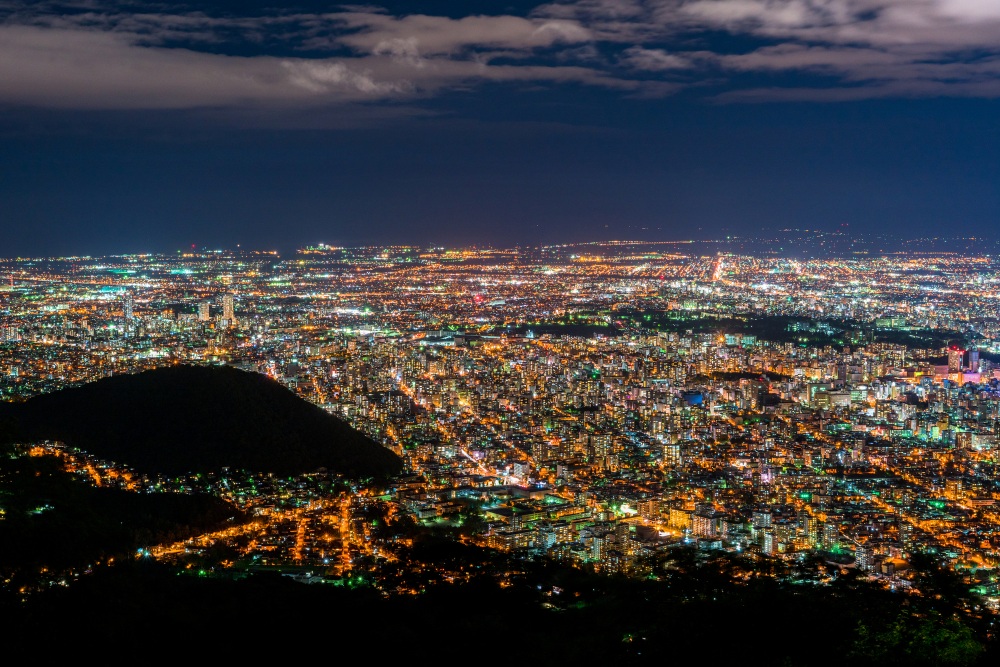
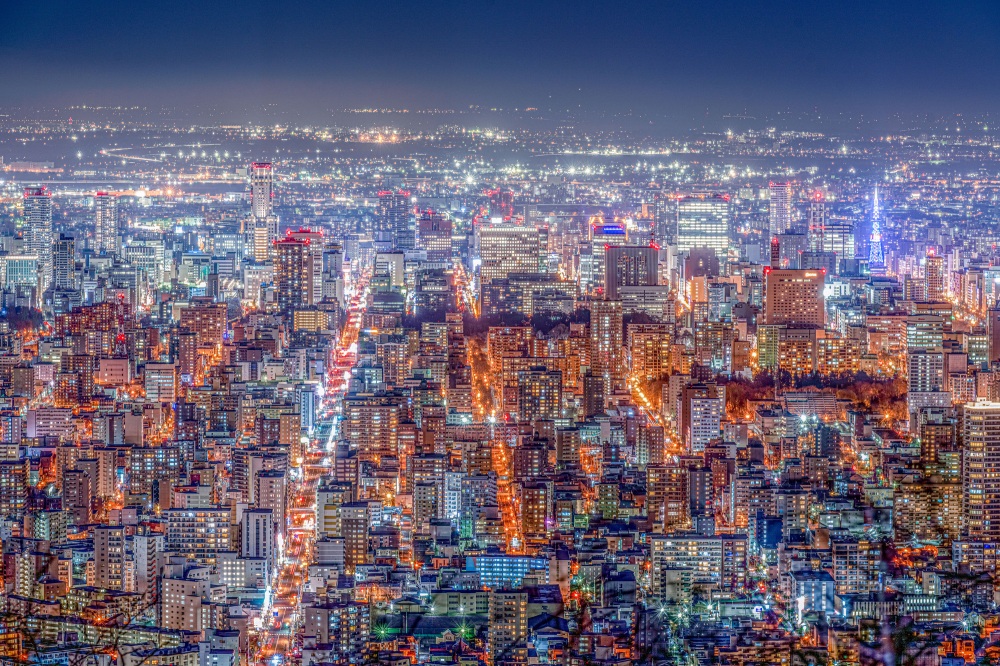
夜景 (Yakei) means night view, and in Hokkaido it often comes with more breathing room than the better-known urban lookouts elsewhere in Japan. The appeal isn’t just the lights themselves, but the contrast, wide open space, cold air, and that quiet pause after sunset when a place starts to feel slightly new again.
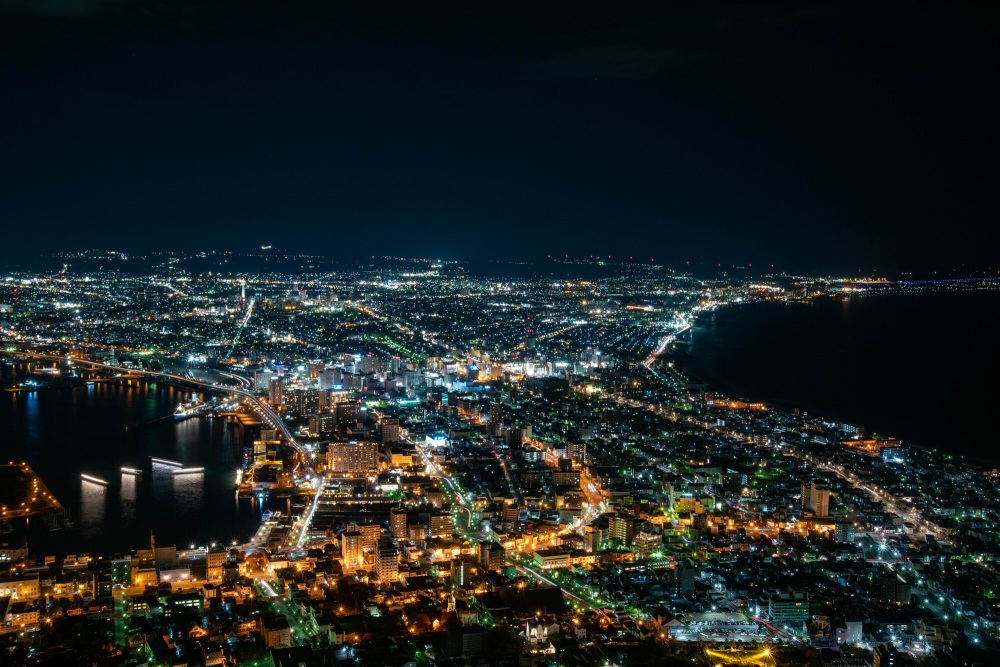
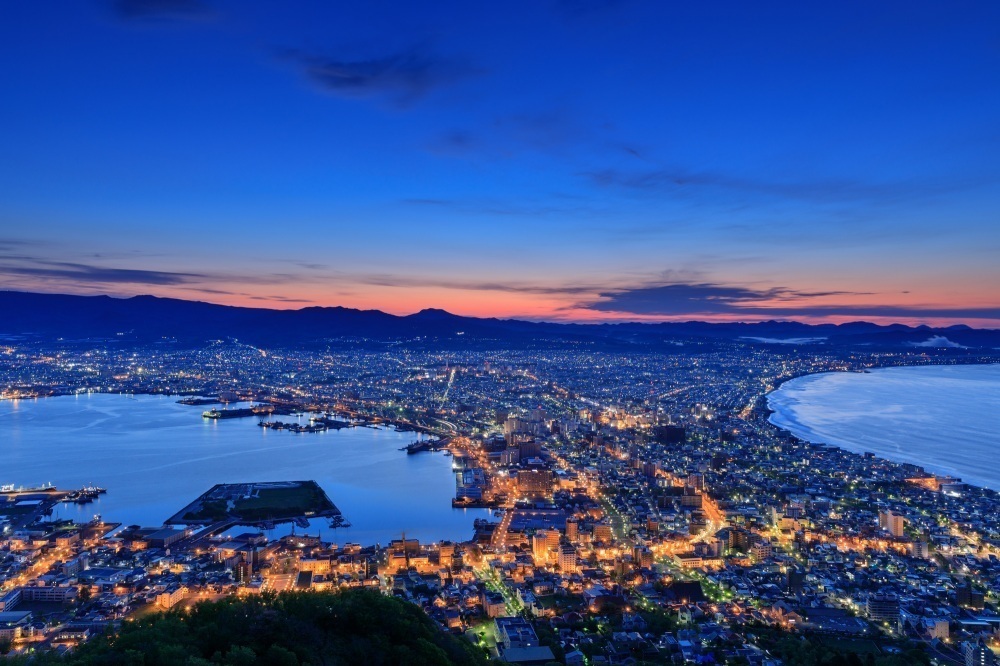
Visit Hokkaido’s feature on yakei frames the region as a place for both famous city views and hidden spots off the beaten path. That matters, because Hokkaido travel is often about scale, and night views make that scale easier to feel. You see where towns sit against the dark, where roads cut through the land, and where the sea disappears into blackness except for a few scattered lights.
For Japanese learners, yakei is a useful word to keep in your pocket. You’ll see it in travel guides, local articles, and lookout signs, and it sits neatly beside other scene-based travel words like 山景 (sankei) for mountain views and sekei for scenic views. Simple vocabulary, but very usable.
What the Hokkaido update is really pointing to
The key idea in the Visit Hokkaido feature is range. Not every night view needs to be a famous observatory or a big city skyline. Some are tied to ports, some to hills, some to mountains, and some to places that only really come alive once the sun drops.
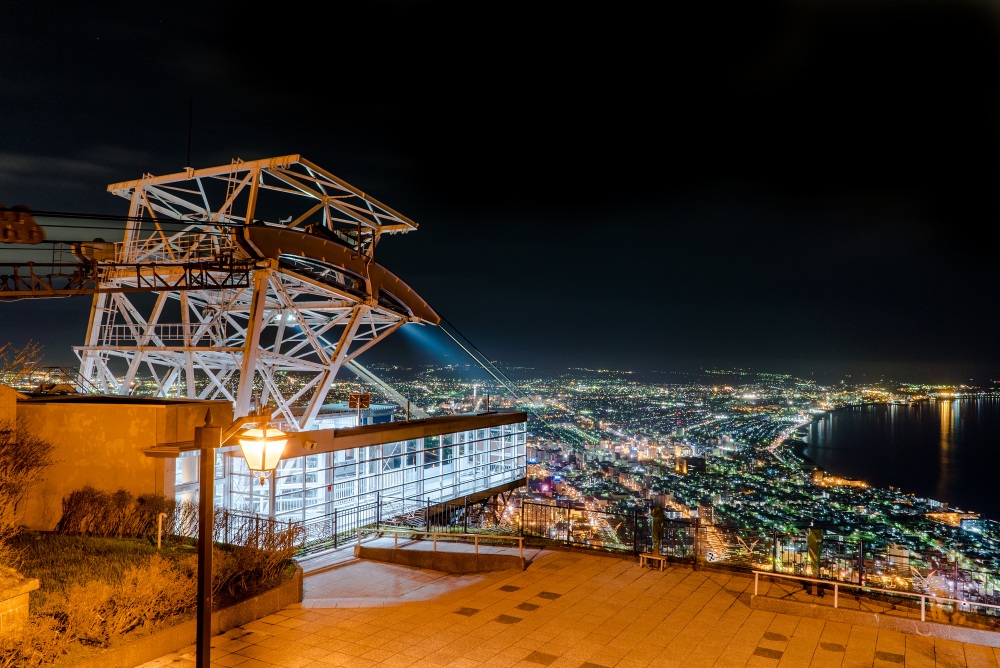
That opens the door to slower travel, which is one of Hokkaido’s strengths anyway. You can spend the day on trains, in onsen towns, or out near the coast, then end with a lookout that asks for almost nothing except patience. No rush, no performance, just light in the distance and a bit of cold air on your face.
And what’s more, this kind of travel fits the island’s geography. Hokkaido has space between places, and that space often becomes part of the experience. A night view isn’t only something you photograph, it’s also a way to understand how a town sits in the landscape. That’s a very Japan feeling, in a quiet way.
How to read a yakei trip like a local
Go after sunset, but not too late
Many people think night views mean arriving at the deepest point of darkness, but the better approach is usually the blue hour. There’s still enough light to read the shape of the land, and the first lights in town start switching on one by one. That transition is the real show.
Check the weather, then dress for standing still
Hokkaido nights can cool down fast, even in seasons when the day felt gentle. If you’re heading to a lookout, a warm layer matters more than you think, because you’re not walking constantly once you get there. Standing still is where the temperature really gets your attention.

Look beyond the obvious skyline
What I especially like about yakei is that it trains your eye. You stop waiting for one giant view and start noticing smaller ones, a lit station platform, a harbour edge, a line of houses in the dark, or a road that seems to float across the night. It makes you pay attention in a better way.
For Japan fans, that’s part of the pleasure. Japanese travel often rewards the person who looks twice, and night views are a perfect example. They’re not loud. They don’t announce themselves. You have to give them time.
Why this matters for Japan fans and learners
Travel content like this is also a nice way to build vocabulary naturally. Yakei, 夜 (yoru, night), 明かり (akari, light), 町 (machi, town), 山 (yama, mountain), 海 (umi, sea), and sugoshisa all show up in the same mental space, even if you’re not reading them in a textbook chapter. You begin to connect language with actual scenes, and that makes words stick in a much calmer, more practical way.
That’s one reason I recommend following regional travel features from places like Hokkaido. They’re not just about where to go. They also help you learn how Japanese travel writing thinks, which is often through atmosphere, direction, and small shifts in mood rather than big declarations.
So if Hokkaido is already on your list, keep an eye out for yakei when you plan. It may be a city lookout, a hilltop, or a quieter place you would otherwise pass by. Either way, it gives you another reason to stay out a little longer.
You’ll eventually find your own Japan, and sometimes it begins after dark.
In pictures
Frequently Asked Questions
What does yakei mean?
Yakei means night view, usually referring to city lights, harbour lights, or illuminated scenery seen after dark.
Is yakei only about big cities?
No, it can also refer to quieter places, including hills, ports, and coastal viewpoints with fewer crowds.
Why is yakei useful for Japanese learners?
It is a practical travel word that appears often in guides, signs, and local articles, so it is easy to connect with real-world use.