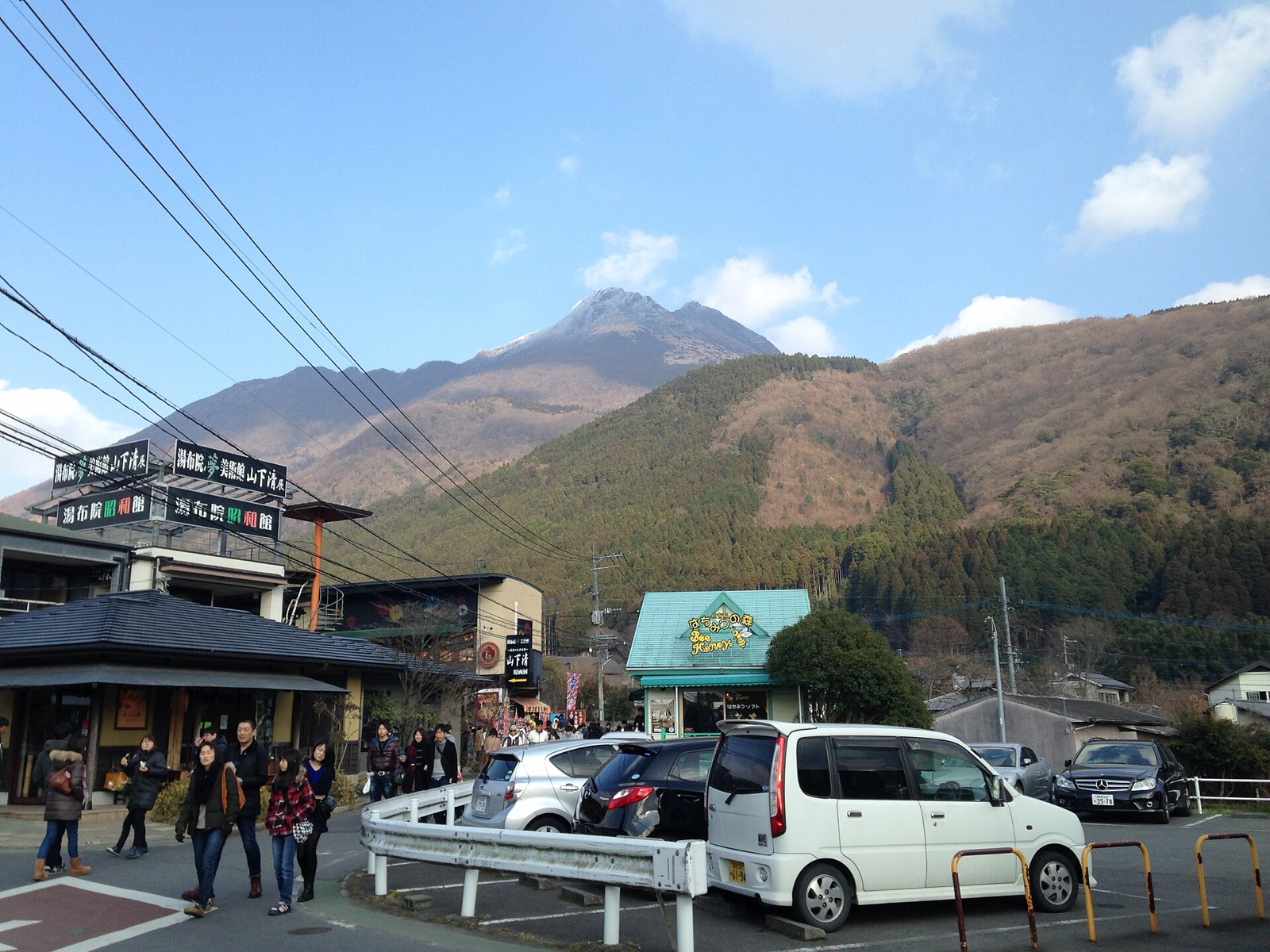
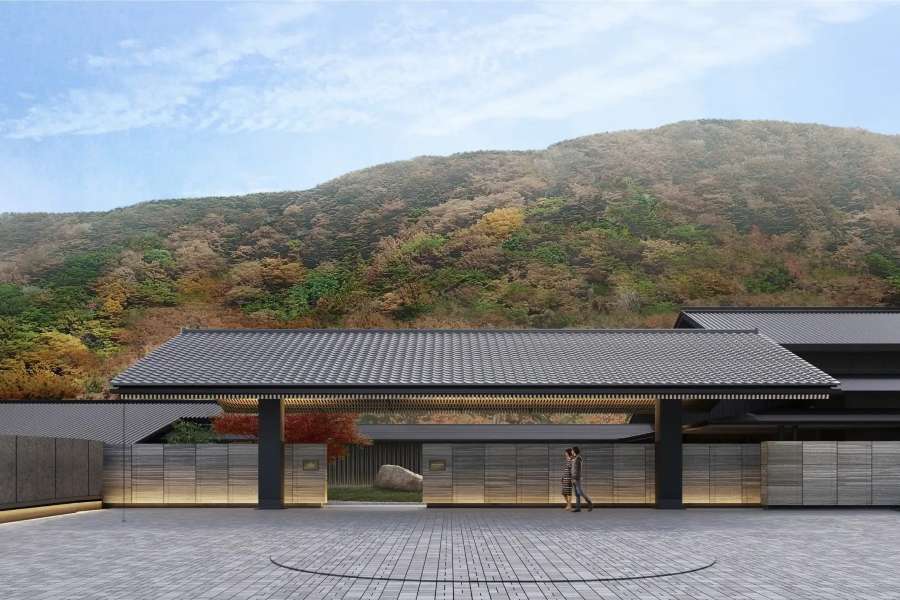
For Japan fans and language learners, it’s also a good place to pick up practical travel vocabulary, because Hokkaido’s winter is full of terms you’ll see on signs, in guides and on station boards. Words like 雪 (yuki, snow), onsen, 雪道 (yuki-michi, snowy road) and 観光 (kanko, sightseeing) keep showing up for a reason.
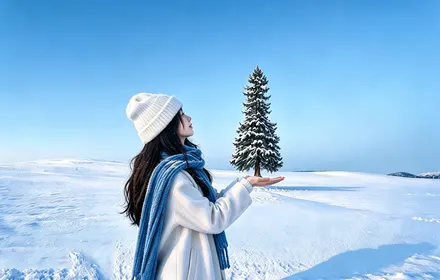
Why Hokkaido looks so different in winter
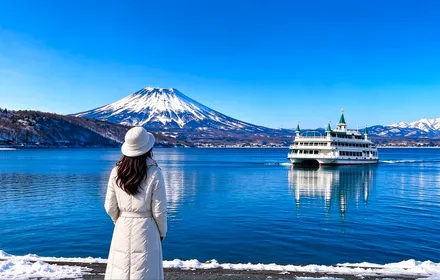
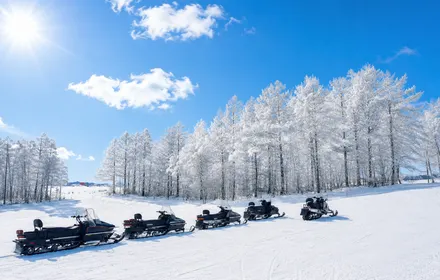
Hokkaido turns into a travel scene built around snow, ice and steam. That combination matters, because the island’s cold season isn’t just about skiing, even if Niseko still draws huge attention for powder snow. Visit Hokkaido’s winter feature highlights landscapes that feel much calmer, from canal towns to frozen wetlands and mountain resorts.
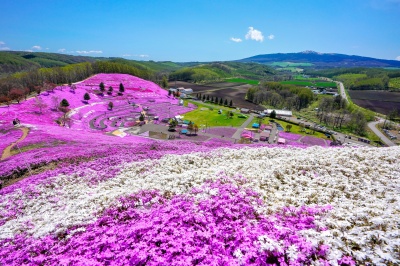
What many people overlook is how varied the scenery is within one trip. You can move from a city walk in Otaru to a near-monochrome view at Biei’s Blue Pond, then finish the day in an onsen town like Noboribetsu. For learners of Japanese, this is a useful region for place-related vocabulary, since words such as yuki for snow, 冬 (fuyu) for winter and onsen for hot spring appear constantly in travel material.
Otaru, Biei and the quieter side of winter travel
Otaru is one of the clearest examples of winter atmosphere done well. The canal area becomes especially photogenic when snow settles on the warehouses and the gas lamps glow against the dark evening sky. The nearby Hachimanzaka slope and the Kanemori Red Brick Warehouse district add more structure to the same scene, so the town feels layered rather than staged.
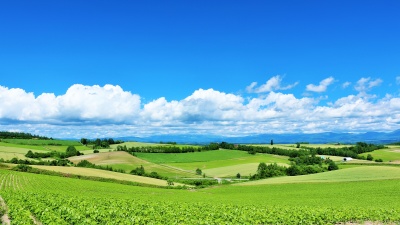
Biei brings a different mood. The Blue Pond is already famous for its colour, but in winter the surrounding white landscape makes the water look even more unreal. That contrast is why so many Hokkaido itineraries place it near the top of a winter route, and it helps explain why this area appears so often in travel planning material for photographers and scenic-road trips.
My tip: if you’re learning Japanese place names, pay attention to the endings. Otaru, Biei and Noboribetsu aren’t just useful destinations, they also train your ear to recognise local geography when you read maps or station boards.
Niseko, Noboribetsu and Tomamu beyond the ski headline
Niseko remains the best-known name for winter sports, and that reputation is tied to powder snow that has become a global brand of its own. But Hokkaido’s winter appeal is broader than skiing alone. Noboribetsu adds steam, baths and volcanic scenery, which gives travellers a different kind of cold-weather escape, one based on warmth rather than speed.


Tomamu is a good example of how resorts are extending the season beyond standard ski holidays. According to Travel And Tour World, the Ice Village for the 2026/27 winter season is scheduled to operate from 20 December 2026 until 10 March 2027. That gives visitors a long window for ice-themed walks, illuminated spaces and resort stays, and it shows how Hokkaido’s winter products are becoming more layered.
Hoshino Resorts RISONARE Tomamu is one of the accommodation names tied to that area, which matters if you want a base with easy access to snow activities and winter installations. The practical lesson is simple: in Hokkaido, winter travel is often built around a cluster of experiences, not a single attraction.

Snow by the sea, station towns and the language of winter travel
Hakodate adds a coastal angle that many first-time visitors don’t expect. Snow at the seaside changes the whole tone of the city, especially when harbour views, old streets and winter light all sit close together. That mix of sea air and snow is one reason southern Hokkaido feels different from the central mountain and resort areas.
Lonely Planet notes that winter in Japan often brings a quieter rhythm in the cities, and Hokkaido fits that pattern well once the holiday rush is over. Shops, stations and sightseeing spots can feel calmer, which makes the season good for slower travel and clearer photos. For learners, this is also a chance to notice seasonal words in context, such as yuki for snow, 風景 (fuukei) for scenery and 湿原 (shitsugen, wetland / marshland) for marshland when you move deeper into the island’s natural areas.
Basically, Hokkaido in winter works because it combines scenery and movement. You can ride trains through snow country, walk into a canal district, then shift to a hot spring village without changing the season at all.
In pictures


Frequently Asked Questions
When is the best time to see winter scenery in Hokkaido?
December to March is the main winter window, and some seasonal attractions run through early March.
Is Hokkaido only for skiing in winter?
No. Snowy canals, frozen ponds, hot springs and resort light displays are major reasons to go, even without ski plans.
What Japanese words are useful for a Hokkaido winter trip?
Useful words include yuki, onsen, fuyu, fuukei and kanko.
Sources
- Visit Hokkaido - Beautiful Winter Sceneries in Hokkaido
- My Japan Guide - Hokkaido Winter Tour & Private Itinerary - 9-Days
- Travel And Tour World - Japan Boosts Winter Tourism with Snow, Hot Springs and Mountain Escapes for British Travellers
- Health Chosun - Aomori and Hokkaido Snow Escapes
- Lonely Planet - Winter in Japan: Snowy Mountains, Steaming Baths and Seasonal Dishes