What makes Kamebishi worth a closer look is that it isn’t simply “old” in the abstract. It’s a clearly identifiable 醤油 (shoyu, soy sauce) brewery in Kagawa, with more than 270 years of continuity and a reputation built on the slow work of 麹 (koji, fermentation culture), barrels, and time.
Kamebishi in Kagawa, and why 1753 still matters
Kamebishi was founded in 1753 in Kagawa Prefecture, and that single date does a lot of work. It tells you this isn’t a modern company dressing itself up in old language, but a brewery with a documented history stretching back to the mid-江戸 (Edo) period. More than 270 years later, Kamebishi is still identified with the same basic craft: making shoyu in a region where food culture has always depended on careful preservation and seasoning.
That longevity matters for another reason: in Japan, old breweries are common as a category, but not all of them are still operating in the same way. Kamebishi stands out because it’s still associated with a traditional production method, and that makes the brand more than a museum piece. The truth is a bit more complicated than “old equals good”, but age in this case does signal continuity, accumulated technique, and a very stubborn refusal to rush the process.
What makes Kamebishi different from ordinary soy sauce producers
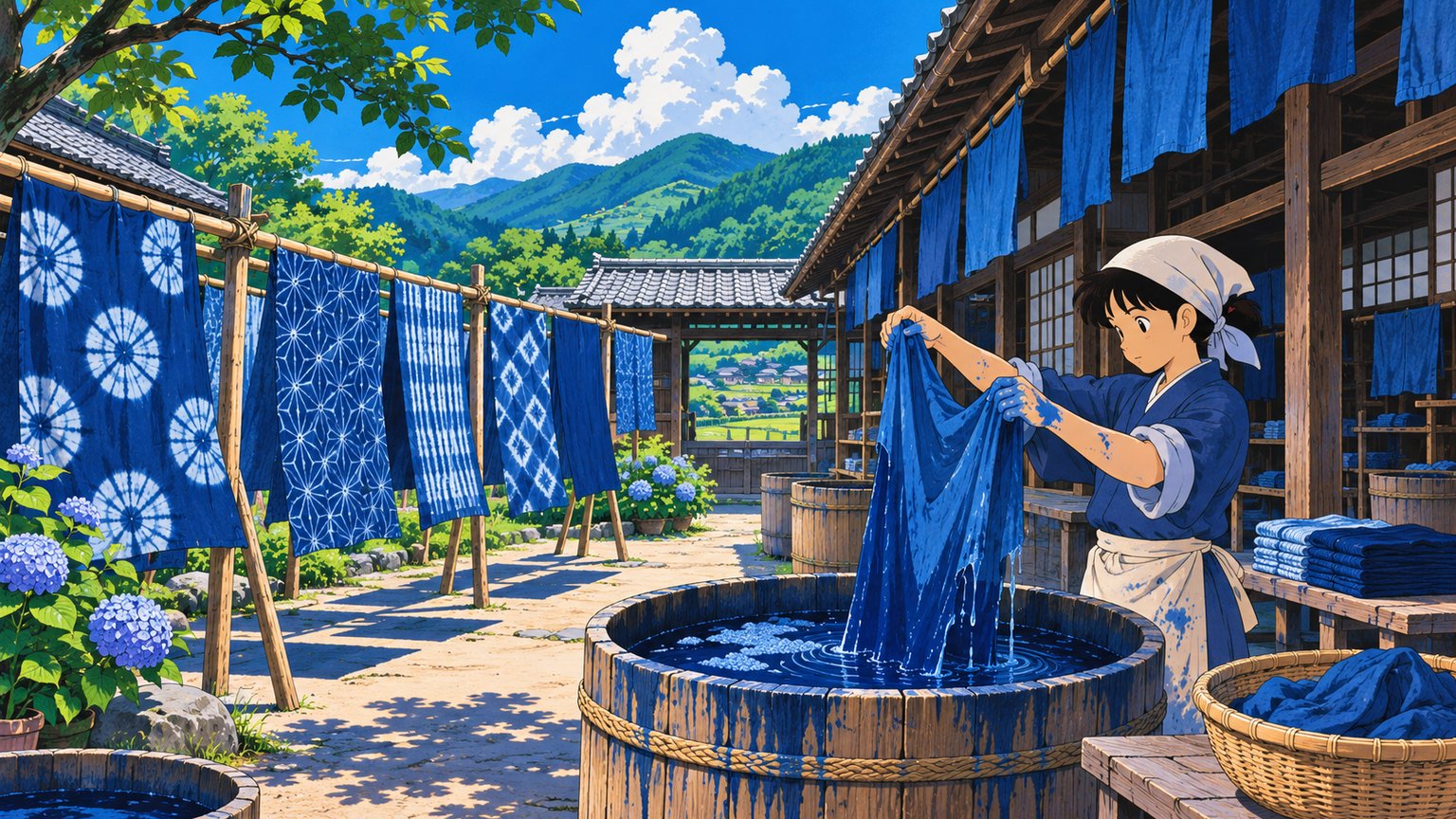
The most talked-about detail is the use of 筵 (mushiro, straw mat) koji, a traditional method in which koji is cultivated on straw mats. That sounds almost quaint until you realise what it implies: a slower, more hands-on approach to fermentation, with much less industrial convenience than the average mass-market shoyu line. It turns out that the process is exactly the point.
If you’re learning Japanese, this is also a nice vocabulary checkpoint. Shoyu means soy sauce, koji is the culture that drives fermentation, and brewery-related language often uses words tied to process rather than outcome. That’s typical in Japanese food culture: the craft is named by what happens along the way, not just by the final bottle on the shelf.
And yes, that’s why Kamebishi gets discussed with a slightly different tone from a standard condiment brand. A 270-year-old brewery has history, but it also has technique, and the technique is what keeps the history from becoming decorative.
Kagawa’s food culture and the value of slow production
Kagawa is best known to many travellers for うどん (udon, wheat noodles), which is fair enough, but the prefecture has broader food traditions that reward patient workmanship. Soy sauce sits inside that system, because Japanese cuisine often depends on seasoning that is balanced rather than loud. A good shoyu can shape a dish without announcing itself, which is probably why old breweries get so much attention when people start looking beyond the label.
This is where Kamebishi becomes more than a brand story. A brewery founded in 1753 gives you a direct line into the culinary habits of the Edo period and beyond. Of course, the bottles on the shelf are contemporary, and the market around them is modern, but the basic logic of fermentation remains old. That tension is part of the appeal.
My tip: if you’re studying Japanese, pay attention to food labels and brewery descriptions. Words like 伝来 (denrai, traditional transmission; brought over), 仕込み (shikomi, preparation; brewing stage), and koji often tell you more about a product than the marketing copy does. You don’t need to memorise everything at once. Start with shoyu and koji, and the rest follows more easily.
Why an old shoyu brewery still draws attention today
There’s a reason Kamebishi keeps appearing in conversations about Japanese craft food: it combines an exact founding year, a fixed location, and a living production tradition. That’s a neat package for anyone interested in Japan, because it gives you something concrete to hold onto. Kagawa is the place, 1753 is the date, and Kamebishi is the entity that connects them.
What I especially like is that this story doesn’t need exaggeration. A brewery surviving for more than 270 years is already enough. Add the traditional mushiro koji method, and you have a case study in how Japanese food culture preserves the old while still selling to the present. That’s the story, anyway.
Frequently Asked Questions
What is Kamebishi?
Kamebishi is a soy sauce brewery in Kagawa Prefecture with roots going back to 1753.
Why is Kamebishi notable?
It’s notable for its age, its long continuity, and its use of traditional production methods such as mushiro koji.
Why does Kagawa matter here?
Kagawa is the home of Kamebishi, and the prefecture provides the regional context for the brewery’s food culture and history.