That matters more than it sounds. Kyoto rewards patience, and planning ahead often means the difference between drifting through a quiet hidden gem and arriving only to find the door closed for same-day entry.
Why Kyoto now asks you to book some visits in advance
Kyoto has been dealing with heavier tourism for years, and reservation systems are one way the city keeps access manageable without turning every good place into a free-for-all. The Kyoto Travel reservation guide points visitors towards places where advance booking is either required or strongly recommended, especially for spots with limited capacity, timed entry, or guided-format visits.
The pattern is pretty simple. If a place depends on a small group size, delicate spaces, or timed movement through the site, it often works better with a reservation. That includes cultural experiences as much as buildings, because Kyoto is full of places where the real draw isn't just seeing a room or a garden, but slowing down enough to understand it.
And for Japanese learners, this is useful travel language too. Words like 予約 (yoyaku, reservation), 切符 (kippu, ticket), 出発 (shuppatsu, departure), and 締め切り (shimekiri, deadline) come up constantly when you plan Japan trips, and Kyoto is one of the best cities for practising that vocabulary in a real context.
What to reserve first in Kyoto
Some of the best-known reservation-based visits are the ones with the strongest demand. Kyoto Imperial Palace has allowed walk-in entry during opening hours since 2016, according to Quartz, so it isn't one of the places you need to book for every visit. That makes it a useful comparison point, because not every famous Kyoto attraction works the same way.
By contrast, the city’s reservation guide highlights places where booking ahead is part of the visit itself. Tea ceremony experiences often have limited seats, and that's especially true in Kyoto, where the setting matters as much as the tea. I think this is one of the best reasons to plan ahead, because a rushed walk-up visit can miss the whole point of 抹茶 (matcha, powdered green tea) culture, which is quiet attention, seasonal detail, and a little ceremony around an ordinary cup.
Cultural experiences with limited capacity
Tea ceremony rooms, artisan workshops, and some guided heritage visits tend to fill up first. These aren't places built for crowds, and that's exactly why they are memorable. You're not just buying admission, you're booking time, space, and a conversation with a tradition that depends on patience.

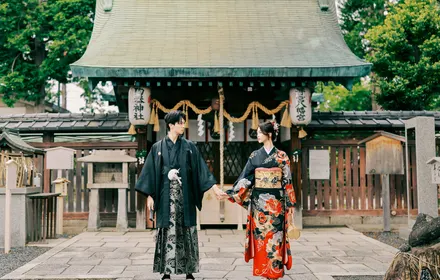
That also makes them especially friendly for Japan fans who enjoy learning by doing. If you already know a little vocabulary around tea, 着物 (kimono), or temple etiquette, the visit becomes richer, because the setting gives those words a physical shape. A small room, a careful gesture, a seasonal sweet, and suddenly the lesson feels lived rather than memorised.
How reservation planning changes your Kyoto trip
Here's the practical side. Booking ahead changes the rhythm of the day, and that can actually make Kyoto feel less crowded and more human. You stop wandering in circles trying to force one more attraction into a packed schedule, and instead build your route around a few places that are worth slowing down for.
It also helps you pair nearby stops in a smarter way. If one reservation anchors your morning, you can leave the rest of the day for off the beaten path neighbourhoods, lunch in a small shop, or an unhurried walk through lesser-known streets. Kyoto is full of hidden spots, but they feel easier to find when the big-ticket timing is already set.
My tip: treat reservations as part of the itinerary, not a nuisance. The city often feels better when you stop trying to squeeze everything in and let one or two booked experiences shape the day. That approach fits Kyoto unusually well, because so much of the city is about mood, pacing, and small discoveries rather than rushing from one landmark to the next.
Language to watch for when booking
If you are reading Japanese booking pages, look for words like yoyaku, 受付 (uketsuke, reception; check-in), jikan, and 決済 (kessai, payment). Yoyaku means reservation, uketsuke is reception or check-in, jikan is time, and kessai is payment. Those four alone cover a surprising amount of travel planning, and they pop up everywhere from temple notices to museum websites.
Speaking of which, Kyoto is a very good city for learning how Japanese travel instructions are written. Notices are often short, precise, and polite, which makes them ideal for learners who want real-world reading practice without getting buried in too much text. Once you know the key terms, a reservation page becomes less intimidating and a lot more useful.
Frequently Asked Questions
Do I need reservations for every Kyoto attraction?
No. Many temples, shrines, and city sights still allow walk-in visits, but some places with limited space or timed entry do require advance booking.
What kinds of places in Kyoto usually need reservations?
Tea ceremonies, guided cultural experiences, and some special-access heritage visits are the most common examples.
Why is booking ahead worth the effort?
It gives you a calmer schedule, better access to limited-capacity experiences, and a trip that feels less rushed.