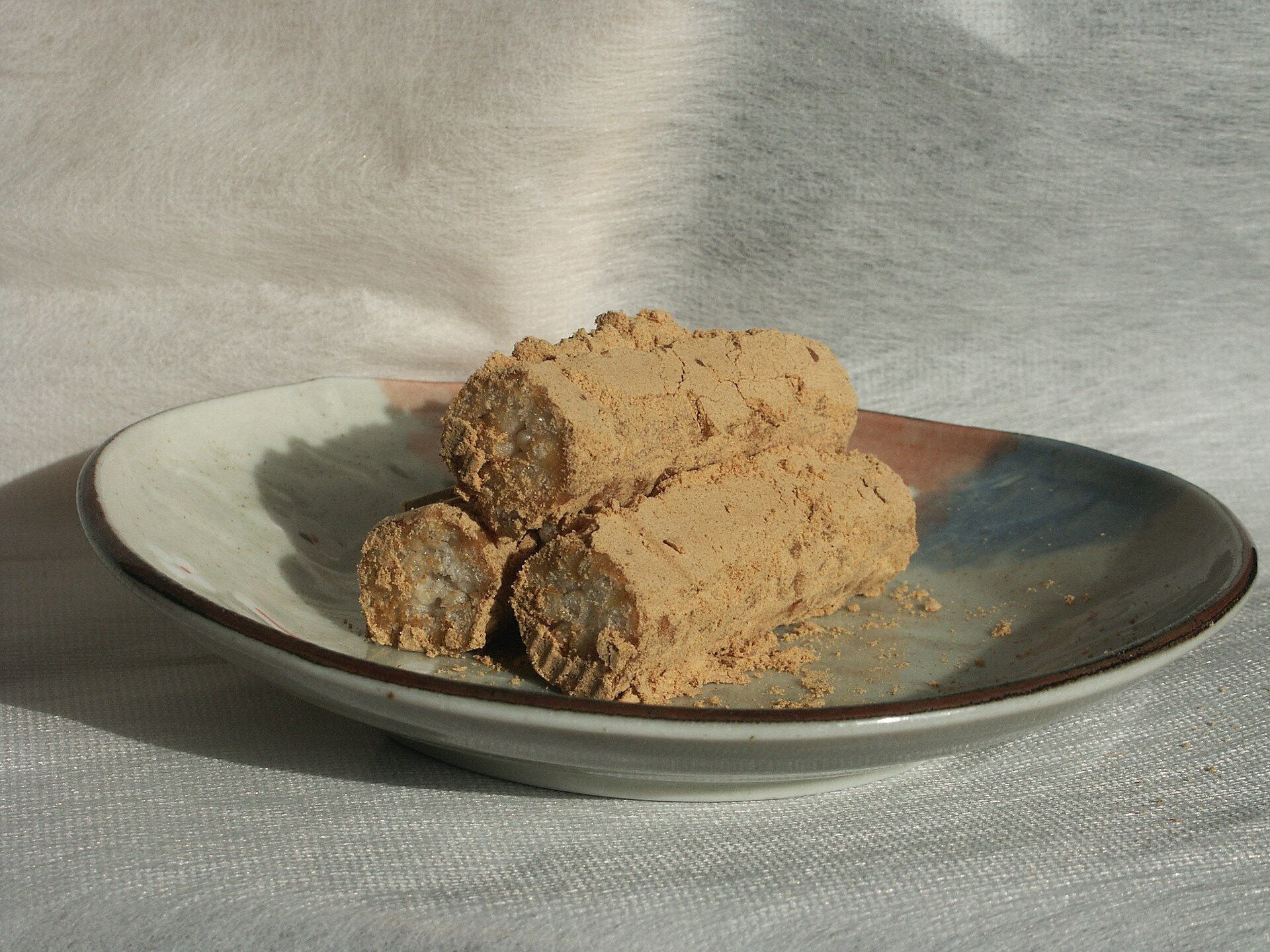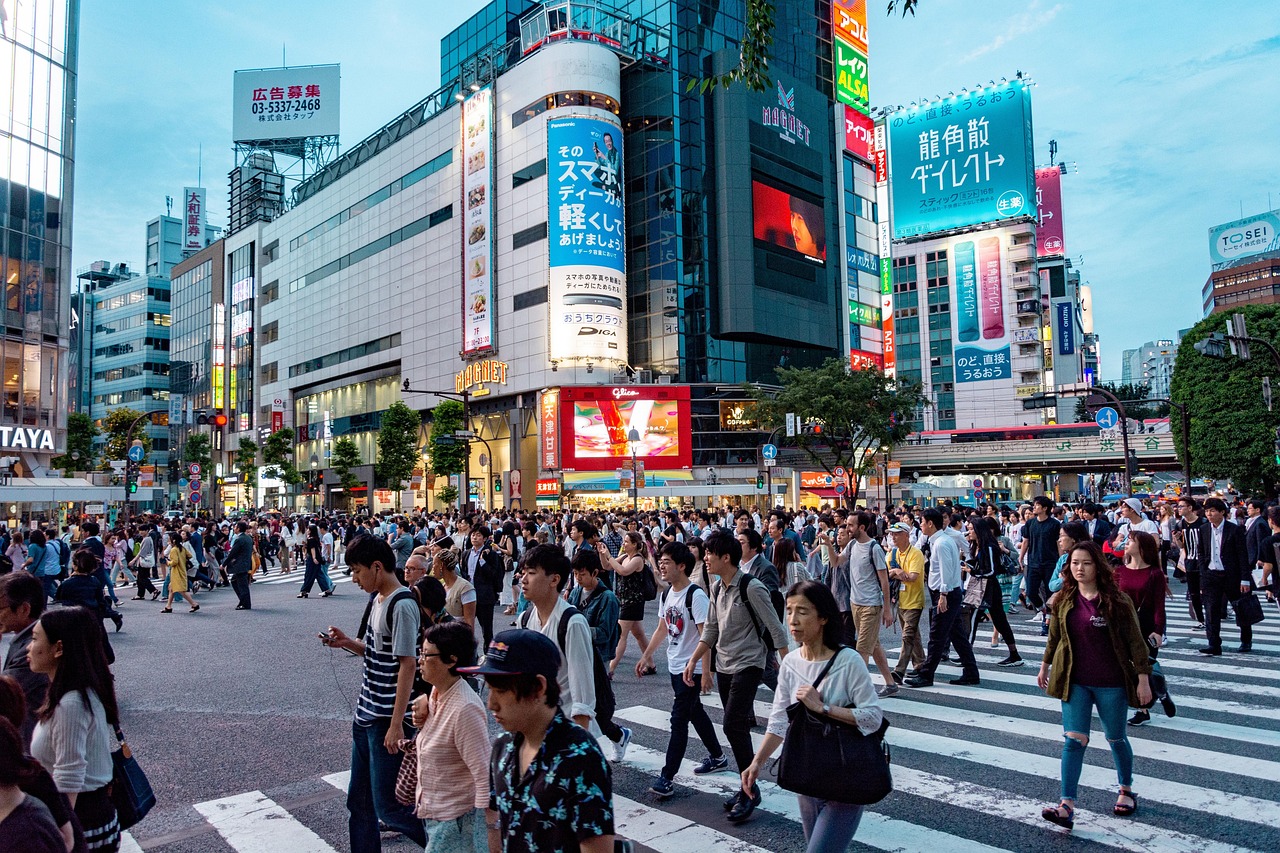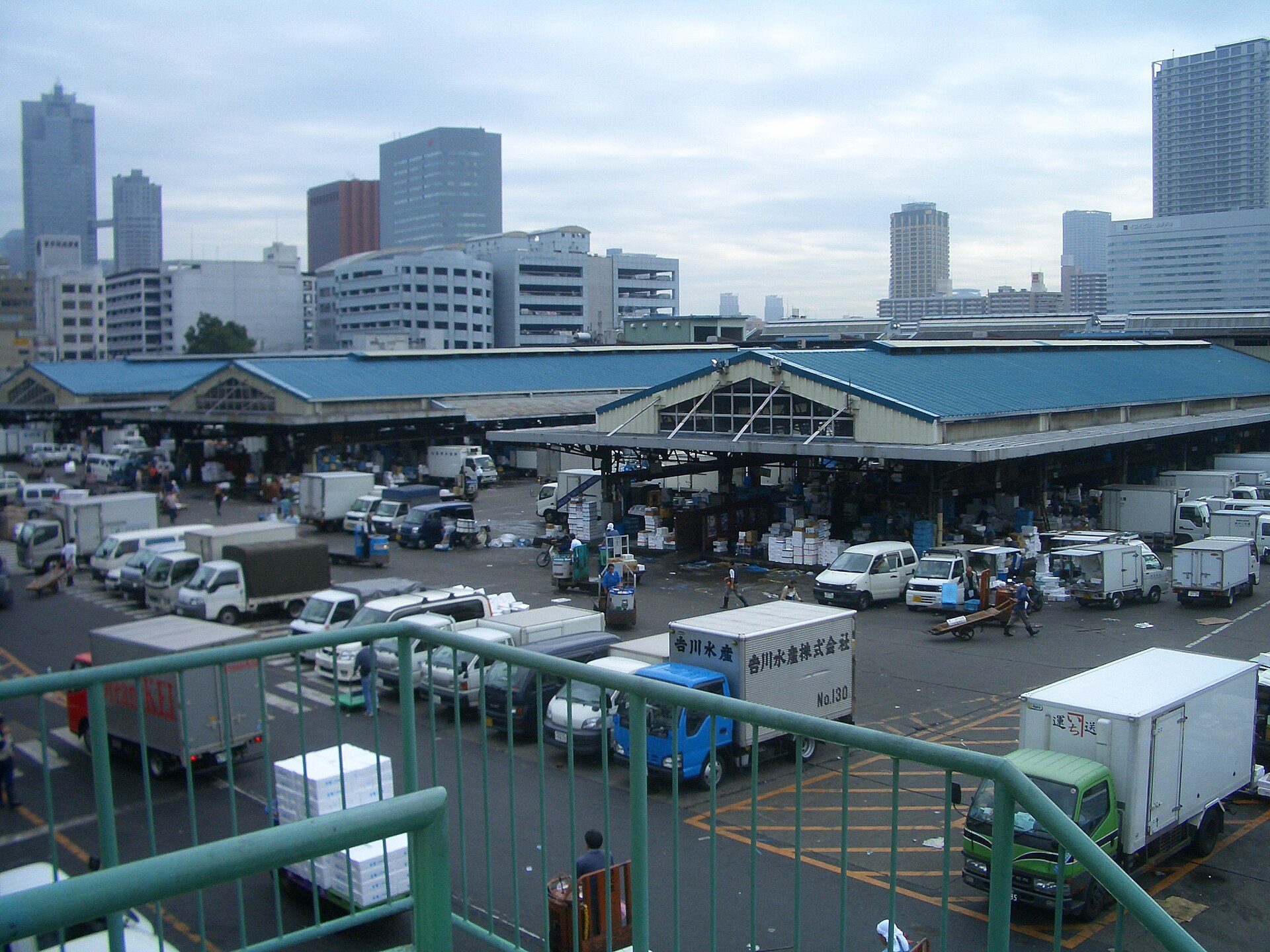

For Japan fans, this is one of those customs that makes perfect sense once you see how much daily life in Japan runs on small acts of consideration. The wrapped sweets, the train-station counters, the careful division of a box into neat little portions, all of it has texture. And it tells you a lot about the culture of return, obligation, and being remembered.
Omiyage starts with the people who stayed behind
お土産 (omiyage) is the travel gift Japan expects you to bring back for others, usually edible, usually local, and usually wrapped with enough care to look intentional. The basic idea is simple: you leave, you return, and you come back with something that says you thought about the people who remained at home or work. That can mean family, neighbours, a desk full of colleagues, or the friend who watered your plants and pretended not to notice the dust on the windowsill.
According to Voyapon, omiyage is a formal, highly codified gift of food brought back from a journey specifically to share with the people who stayed behind. That formality is the whole point. It’s not random shopping, and it’s not simply a keepsake for yourself. It sits somewhere between courtesy and ritual, with enough social pressure behind it to make the snack aisle feel quietly serious. Hand on heart, that is very Japanese. It also explains why gift shops at stations and airports exist in such a precise, almost administrative way. They’re built for obligation, and for grace.
For learners, the word itself is worth keeping close. Omiyage is written in Japanese as omiyage, and it often appears in the same conversational space as 旅物 (tabimono, travel-related things), the idea of things associated with travel. You don’t need to overcomplicate it. Think of omiyage as the thing you bring back, and think of it as belonging to a relationship, not just a trip. That distinction matters. Personally, that’s the part I find most revealing.
What I especially like: the gift is usually consumable. It disappears. The conversation it creates doesn’t. Sounds weird, but it’s true.
Why snacks, not trinkets, carry the weight
Unlike what we’re used to in many places, omiyage is rarely a postcard, keychain, or decorative object that gathers dust on a shelf. It’s food, and specifically food that can be portioned, handed out, and shared. That makes practical sense in a country where train travel is dense, gift-giving is patterned, and office life still leans on small group etiquette. A box of individually wrapped sweets can be distributed cleanly, one by one, without awkwardness. No one has to fight over the last piece. No one has to pretend they don’t want one. Everyone knows the script.
The best part: the wrapping is part of the message. In Japan, presentation isn’t extra decoration, it’s part of the gift itself. The box, the paper, the little separators inside, the polite balance between modesty and care, all of it adds texture. A plain bag of biscuits isn’t the same thing. A carefully assembled box of regional sweets from Kyoto, Hokkaido, or Okinawa carries place as much as flavour. It says, in effect, I went somewhere, and I brought back a piece of it for you. That’s a lot of social work for a biscuit.
Before I forget: this is also why station デパ地下 (depachika, department store basement food hall) and airport shops can feel so efficient. They’re not just selling snacks. They’re selling social peace. That may sound dramatic. It isn’t. If you’ve ever arrived home from a trip and realised you need to account for half the building, you already understand the logic.
My tip: if you’re learning Japanese, watch for the language around giving and receiving. Omiyage sits near words for obligation, gratitude, and seasonal courtesy. You don’t need to memorise a moral philosophy, just notice how often the grammar of social life is built into the purchase itself. Convinced yet?
The system is changing, but the pressure has not vanished
Guess what? The old omiyage system isn’t frozen in amber. Travel habits have changed, work styles have shifted, and younger people don’t always follow the same obligations with the same seriousness as previous generations. The ritual still exists, but the edges are softer in some settings. A box of sweets may still be expected in one workplace, while in another it may feel optional, or even a little dated. That is the shifting art in the title. Same gesture, different weight.
And it gets better: the modern souvenir hunt is no longer confined to dedicated gift stores. An article in Indulg Express notes a growing trend towards supermarket browsing, where travellers pick up snacks they have never seen at home, condiments, and ingredients that let them recreate a meal after the return flight. That’s a different kind of keepsake, but the impulse is related. The traveller wants to carry texture back, not just a label. A bag of odd crisps, a bottle of sauce, a box of regional rice crackers, these are memory in practical form. Wild, isn’t it?
Let’s be honest: omiyage has always contained a bit of performance. You are choosing something that looks good, travels well, and signals thoughtfulness without turning into a burden. That’s not cynical. It’s social intelligence. The gift must be good enough to count, modest enough not to show off, and easy enough to distribute that nobody feels inconvenienced. Japan does this balancing act well. Sometimes too well, us dorks might say, but the system runs on those small calibrations.
In travel terms, that means the best omiyage is often bought near the end of the trip, when you know exactly who needs what, how much luggage room you have left, and whether your bag can survive one more lumpy box. Minimise load. Choose something that won’t crumble under pressure. The body knows this before the mind admits it.
How to read omiyage without flattening it
Did you know that omiyage is one reason Japanese stations feel less like transit hubs and more like distribution points for social obligation? That sounds dry, but it is the texture of place. The gift counters are part of the journey, not an afterthought. They are woven into how travel is understood. You go somewhere, you come back different, and you leave evidence of the journey in other people's hands.
If you are going to buy omiyage, think locally first. Regional specialities matter because they connect the snack to the place. A box from Kyoto is not just a box from a shop. It is a compressed version of the city, sold through taste and packaging. That does not mean the souvenir has to be expensive. It means it should feel anchored. Cheap is fine. Thoughtless is not. There is a difference, and Japanese gift culture notices it instantly.
My opinion? The omiyage system is one of the quietest ways Japan teaches attentiveness. Not through grand gestures, but through small, repeated acts of consideration. A snack. A wrapper. A neat division of pieces. A return to the people who waited. More soon.
Frequently Asked Questions
What is omiyage in Japan?
It is a travel gift, usually food, brought back for family, friends, colleagues, or neighbours.
Why is omiyage usually edible?
Food is easy to share, easy to divide, and less awkward than a decorative souvenir.
Is omiyage still common in Japan?
Yes, but the expectation varies by workplace, age group, and situation, so the custom is changing rather than disappearing.