And yes, this is exactly the sort of product Japan does rather well: a protein drink that wants to be useful, but also wants to talk about place, harvest, and the idea of hanai (or, in this case, 花見 (Hanami, cherry blossom viewing)) without turning the whole thing into a lecture. The result is a neat little mix of health product, local agriculture, and regional branding. Beloved by marketers, tolerated by everyone else, and occasionally genuinely tasty.
JIMOTEIN gets a Yanbaru-flavoured update
JIMOTEIN is adding a new regional product to its line-up, and this one is built around Okinawa-ken-san no 生 (nama, fresh; raw) 蓬 (yomogi), or fresh mugwort grown in Okinawa. According to HANAMI's PR TIMES release dated 24 October 2026, the new drink is the roasted yomogi chai protein, launched as a local-support product rather than a random flavour idea dreamed up in a meeting room with too much air-conditioning.
The headline detail is the ingredient itself: about 10g of Okinawa-grown fresh yomogi per cup. That’s not a token sprinkle for the label, but a fairly assertive amount, and it tells you the brand is leaning into the plant's herbal character rather than hiding it under sugar and hope. For Japanese learners, yomogi is one of those words worth keeping in your pocket, because it turns up in sweets, teas, mochi, and all sorts of seasonal or traditional foods. It’s green, bitter, fragrant, and very much not shy. Wait, there’s more.
What HANAMI is doing with local ingredients
HANAMI is framing the release as a regional support product, which is a very Japanese way of saying that the drink is supposed to do more than sit on a shelf. It should, at least in theory, support Okinawa agriculture, spotlight local produce, and give consumers a reason to pick this one over the endless parade of vanilla, cocoa, and other respectable-but-boring protein flavours.
To be fair, this is where Japan often gets interesting. A brand can make a protein drink, yes, but it can also turn that drink into a mini story about Yanbaru, Okinawa, and seasonal plants. That’s why regional ingredients matter here. They’re not only about taste, but about identity, locality, and the small thrill of buying something that feels anchored to a place rather than assembled by committee. My tip: if you’re learning Japanese, watch for labels like 地域 (chiiki, local area; region) or 在地 (zaichi, local; from the area), because the language around local produce is everywhere in food marketing, and it’s genuinely useful vocabulary. My verdict: this is a sensible flavour concept, which isn’t the same thing as a dull one.
Why yomogi keeps showing up in Japanese food culture
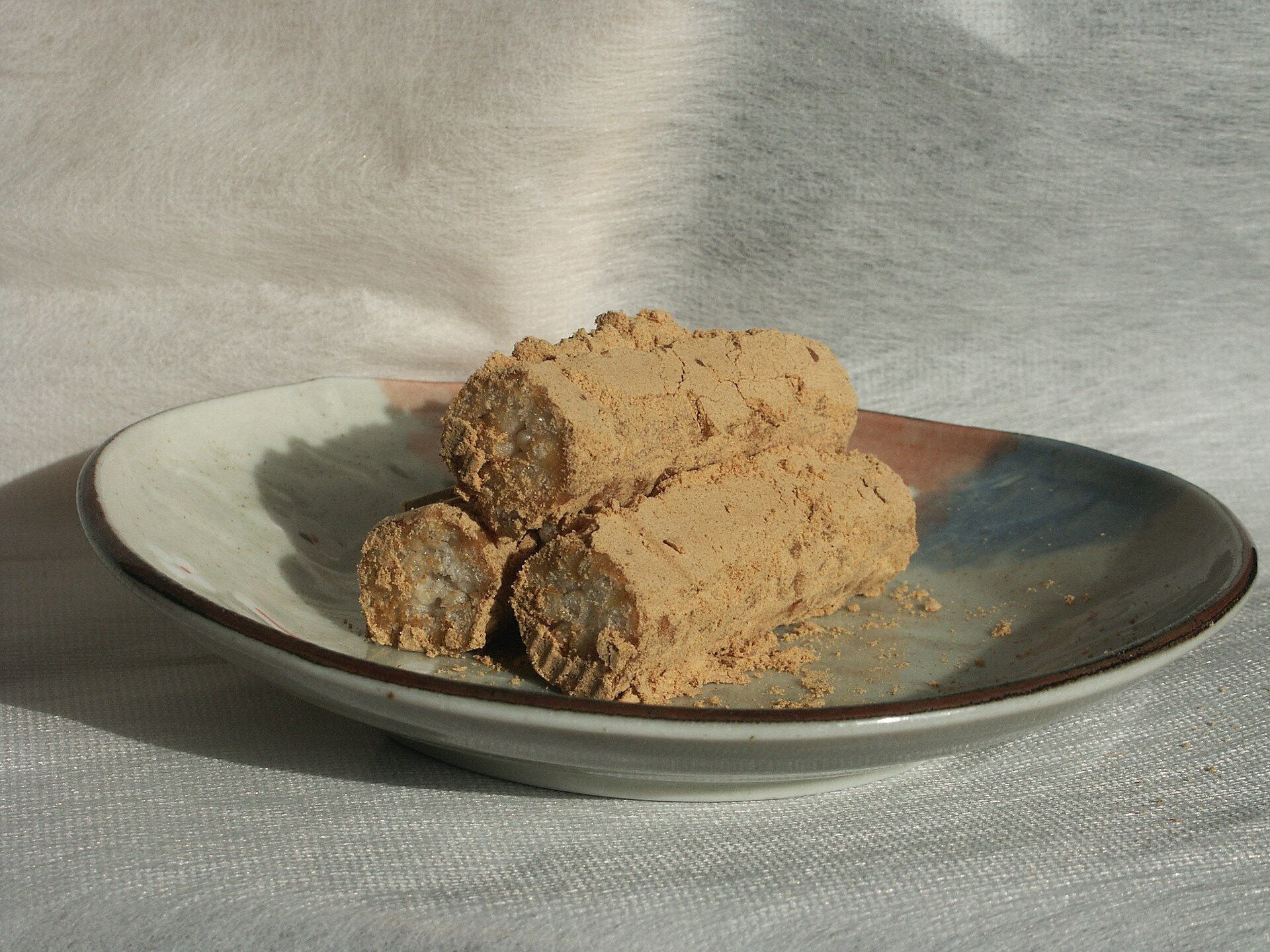
Yomogi has serious staying power in Japanese cuisine, and not just because it sounds nice when spoken aloud. You’ll find it in 草餅 (kusa mochi, mugwort rice cake), in seasonal wagashi, in teas, and in herbal or home-style products that lean into its earthy aroma. It belongs to the category of flavours that are slightly green, slightly wild, and very Japanese without being fussy about it.
On the flip side, yomogi is also one of those ingredients that can put people off if the balance is wrong. Too much, and it tastes like someone brewed a garden. Too little, and you’ve bought a marketing adjective. So a roasted yomogi chai protein has an immediate job to do: hold the herbal note, keep the spice, and remain drinkable enough that people will actually finish the thing. Mind you, that tension is exactly what makes it interesting. Not every regional product has to be a souvenir in liquid form.
Vocabulary note for learners
If you’re building your food vocabulary, a few useful terms here are yomogi (mugwort), nama (fresh), yaki or roast, and chiiki or local. You’ll also hear Okinawa-ken, which simply means Okinawa Prefecture, and Yanbaru, the northern forested area that often appears in local branding because it carries a strong sense of place. Basically: a small cluster of words, but a surprisingly large amount of cultural information packed into them.
And yes, Hanami is also the word for cherry blossom viewing, though here it is the company name. Japan does enjoy reusing a good word. It’s a bit like naming your bakery Bloom and then acting surprised when people think of flowers. Fair enough, really.
What this release says about Japan's regional product scene
Product launches like this sit neatly inside a bigger Japanese habit: taking a local ingredient and giving it national, sometimes even online, visibility. That can mean sake from a specific town, sweets from a single island, or, in this case, a protein drink built around Okinawan yomogi. The point isn’t merely flavour. It’s provenance, story, and a little regional swagger.
For Japan fans, this is part of the fun. You’re not only seeing a new item, you’re seeing how brands frame place through food. And for language learners, these releases are handy because they’re stuffed with practical vocabulary, from product descriptors to prefectural names to the very Japanese habit of attaching meaning to seasonality. So yes, JIMOTEIN is a protein product, but it’s also a neat example of how food, region, and branding keep getting braided together in Japan. Convinced yet?
More Japan news on jpnerd.com: more Japan news on jpnerd.com
Frequently Asked Questions
What is JIMOTEIN?
JIMOTEIN is a regional-support protein product line from HANAMI.
What is special about the new flavour?
It uses fresh yomogi from Okinawa and is described as a roasted yomogi chai protein.
Why is yomogi relevant for Japanese learners?
It appears in many Japanese foods and is useful vocabulary for seasonal and traditional cuisine.