Overview
Kumamon is one of those Japanese mascots that escaped its original job description and kept going. Created by the Kumamoto Prefectural Government in March 2010, it was designed to support the Kumamoto Area Kyushu 新幹線 (shinkansen, bullet train; high-speed rail line) campaign before the line’s full opening in March 2011. The name combines Kumamoto with the local dialect suffix -mon, a casual ending that can mean something like “person” or “guy.” That tiny linguistic twist matters; it gives the character a regional texture that feels lived-in rather than manufactured. Which, for a mascot, is doing quite a lot.


Over time, Kumamon became a national phenomenon and a durable regional marketing symbol for Kumamoto Prefecture. Reports have described product sales tied to the character at around 11 billion US dollars by its 16th anniversary, a staggering number that says less about a single bear than about how effectively a place can be turned into a recognizable brand. This is the practical side of Kumamon and regional marketing in Kumamoto: the mascot is not just cute, it is infrastructure for attention.
How Kumamon works as a regional symbol
Japan has a long tradition of yuru kyara, the loose family of soft-edged local mascots used by prefectures, cities, stations, and institutions to make public identity feel warmer and more memorable. Kumamon is one of the most successful examples, but what separates it from the pack is scale. It shows up everywhere: on posters, in shops, during sports events, in commercials, and in gourmet and food-related contexts where a face on a package can do the slow work of making a region familiar.
There is also a useful lesson here for anyone trying to understand contemporary Japan. Regional branding is not only about logos or tourism slogans. It is about repetition, tone, and trust. Kumamon’s design is simple, almost blunt; the black bear body, red cheeks, and expressive face are easy to reproduce across products and media. In practice, that means the character can move from a rice cracker wrapper to a stage appearance without losing coherence. That's the trick. The texture of place stays legible.
From campaign mascot to everyday presence
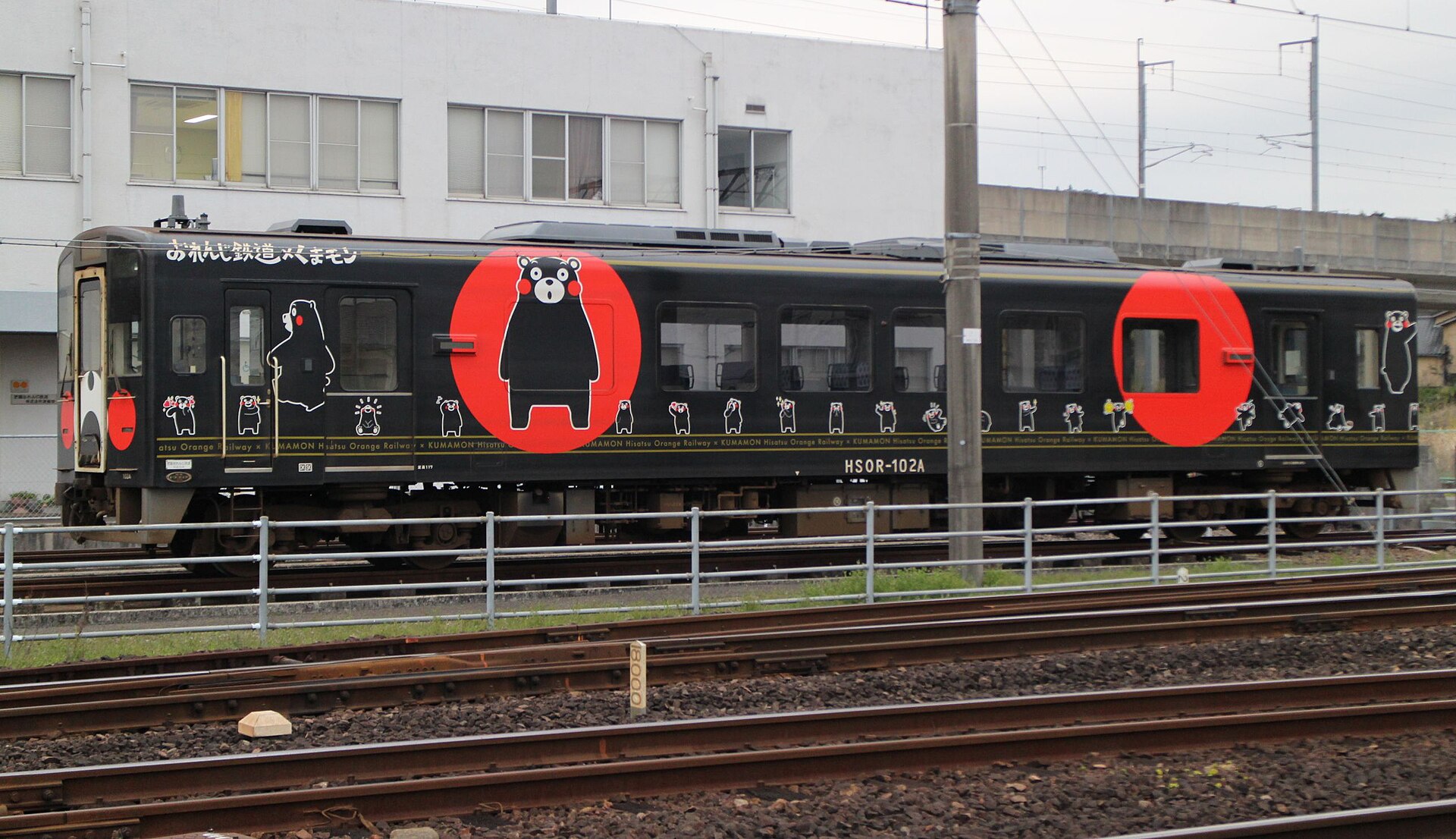
Kumamon was introduced at a specific commercial moment, but it outlived the campaign that launched it. That is the interesting part. The original purpose was tied to the Kyushu Shinkansen opening, yet the character soon became part of everyday retail and public culture. If you are in Japan, you may encounter Kumamon in department stores, souvenir corners, train stations, airport gift shops, and seasonal promotions. It is a mascot that travels well because it is easy to place almost anywhere without feeling out of place. A small miracle of design, really.
The practical rhythm is simple. Look for Kumamon where local goods are sold, where prefectural promotions are staged, or where Kumamoto wants to be seen. If a shop is emphasizing regional food, travel products, or limited-edition goods, there is a good chance Kumamon is nearby, doing the quiet work of recognition. The character is not confined to one venue. It is part of the wider commercial landscape.
What makes the character memorable
Kumamon’s appeal is not complicated, which is another reason it scales. The black bear form is easy to remember, while the name itself is grounded in Kumamoto dialect. That local detail gives the mascot a voice, even when it is silent. For readers interested in language, the suffix -mon is a small but useful example of how dialect carries social warmth and regional identity. If you are building a query list around Kumamon kanji or Kumamon japanisch lernen, the deeper story is not the writing system at all; it is how a regional nickname can become a brand signal that people immediately understand.
That is also why Kumamon appears in food contexts so often. In Japan, a mascot can turn a regional product into a conversation. A souvenir is not just a souvenir if it has a face, and the face belongs to a prefecture with a distinct identity. Us dorks notice that sort of thing. The object becomes a messenger.
Related mascots and what to compare it with
If you want context, compare Kumamon with other Japanese yuru kyara that serve local promotion, but keep the comparison practical. The key question is not which mascot is most famous; it is which one actually changed how people think about a place. Kumamon did that for Kumamoto. It helped make the prefecture instantly readable to people well beyond Kyushu, and it did so through persistent visibility rather than a one-time media burst.
For a broader read on the economics and symbolism behind that success, Kumamon at 16 and the 11-billion-dollar story is a useful companion piece. It helps frame the scale of the phenomenon without turning it into folklore. This is a marketing case study, but one with paws.
Where to experience Kumamon in Japan
If you want to encounter Kumamon in Japan, Kumamoto Prefecture is the obvious starting point. That is where the character’s identity is anchored, and where official and commercial uses are most densely visible. But you do not need to build a pilgrimage around it. Kumamon can turn up in station shops, prefectural tourism spaces, major retail stores, and local product displays across the country. The experience is less about one fixed attraction and more about noticing how widely a regional symbol has been woven into daily commerce.
In Kumamoto, look for official stores, tourism material, and food products that use the character. In larger cities, watch for limited-time collaborations and regional fair displays. If you like paying attention to the way Japan packages place, this is good material. Small object, large reach. That is the whole point.
- Look for Kumamon in Kumamoto Prefecture tourism spaces and local shops.
- Check department store food halls and souvenir corners for Kumamoto products.
- Watch for sports tie-ins, poster campaigns, and commercial collaborations.
- Use Kumamon as a lens for understanding yuru kyara and regional branding.
Why it still matters
Kumamon matters because it shows how a local mascot can become a lasting civic asset. It is not just a character with commercial value; it is a way of making a prefecture visible, memorable, and emotionally approachable. The body of the bear is simple. The system around it is not. That system includes government promotion, retail adoption, repeated media presence, and the steady accumulation of recognition over years, not weeks.
For anyone interested in Japanese culture, branding, or the texture of place, Kumamon remains worth following. It is a mascot, yes. It is also a map. More soon.
Frequently Asked Questions
What is Kumamon?
Kumamon is Kumamoto Prefecture’s black bear mascot and a regional marketing symbol created in March 2010.
Why was Kumamon created?
It was created by the Kumamoto Prefectural Government to support the Kumamoto Area Kyushu Shinkansen campaign before the line’s full opening.
Where can I see Kumamon in Japan?
You are most likely to find Kumamon in Kumamoto Prefecture, but it also appears in shops, posters, commercials, sports events, and food-related promotions across Japan.
What does the name Kumamon mean?
The name combines Kumamoto with the local dialect suffix -mon, which is roughly like “person” or “guy.”
Why is Kumamon so important?
Kumamon became a national phenomenon and a major branding tool for Kumamoto, with reported product sales reaching around 11 billion US dollars by its 16th anniversary.